
Crypto stocks 2026
This list focuses on publicly traded companies with direct exposure to the cryptocurrency ecosystem, including exchanges, mining operations, and blockchain infrastructure providers. We filtered out pure-play crypto ETFs and mutual funds to highlight stocks where equity performance is tied to the operational success of crypto-related business activities.
The selection criteria prioritized companies with verified revenue streams from crypto services, transparent balance sheets, and established market presence. We evaluated each candidate based on its direct correlation to Bitcoin and Ethereum price movements, regulatory compliance history, and operational scale relative to peers. The goal is to identify firms that offer leveraged exposure to the sector while maintaining the structural safeguards of traditional public markets.
Our methodology involved cross-referencing official SEC filings, quarterly earnings reports, and primary data from major exchanges. We excluded companies with ambiguous crypto involvement or those heavily reliant on unverified partnerships. The final ten stocks represent a mix of high-liquidity exchanges, energy-efficient miners, and infrastructure developers that are actively shaping the 2026 market landscape.
10 Best Crypto Stocks to Buy in 2026: Top 10 Publicly Traded Cryptocurrency Companies
Publicly traded crypto companies offer regulated exposure to digital asset growth, but performance varies widely based on business model and regulatory positioning. We evaluated the top ten stocks by revenue stability, blockchain integration, and market capitalization to identify the most viable options for 2026.
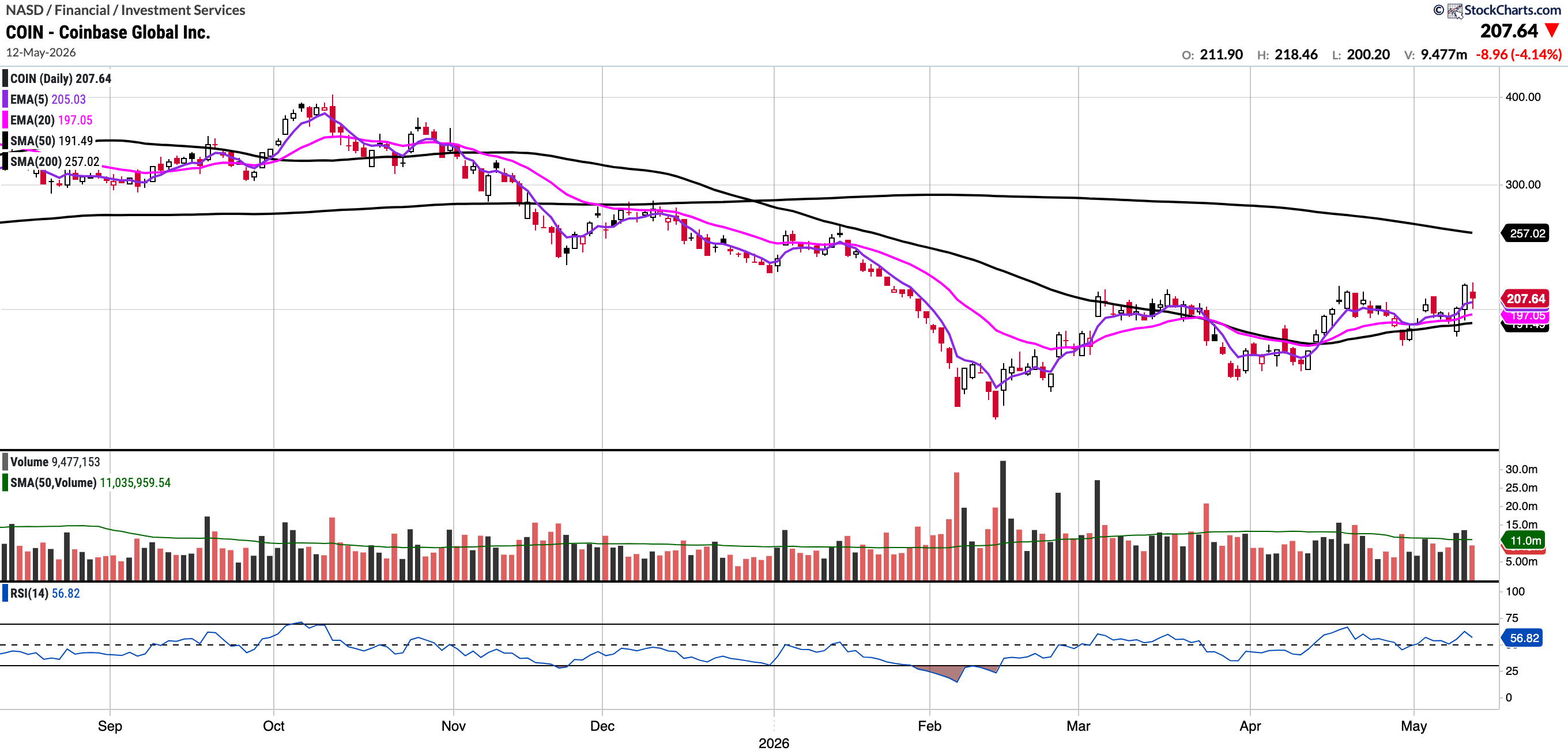
1. Coinbase Global stock analysis and outlook
Coinbase stands as the premier regulated gateway for institutional crypto exposure, leveraging its dominant US market share and expanding custody services. Investors benefit from direct correlation to trading volumes while mitigating the operational risks inherent in unregulated exchanges. Its regulatory clarity offers a safer hedge against policy shifts, making it a foundational holding for portfolios seeking legitimate crypto integration.
2. MicroStrategy Bitcoin treasury strategy evaluation
MicroStrategy operates less like a traditional software firm and more like a leveraged Bitcoin ETF, having converted its balance sheet into a massive BTC reserve. This strategy amplifies upside during bull markets but introduces significant volatility and debt servicing risks. Investors must weigh the company's premium valuation against its pure-play Bitcoin exposure when assessing long-term viability.

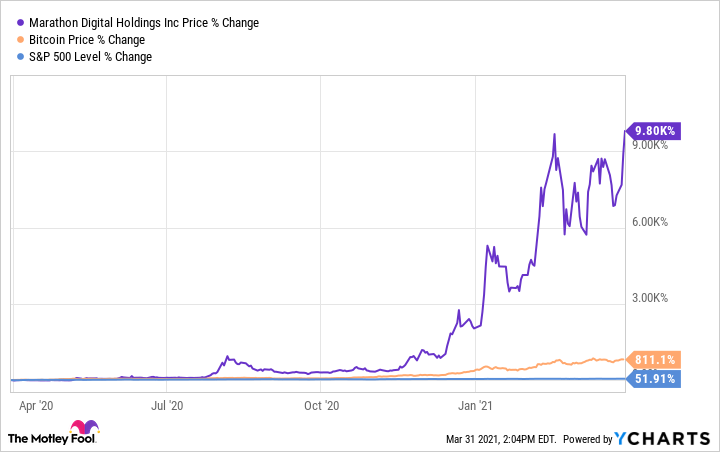
3. Marathon Digital Holdings mining efficiency review
Marathon Digital has aggressively scaled its hash rate capacity, positioning itself as a top-tier Bitcoin miner with a focus on operational efficiency. By upgrading to next-generation ASIC hardware and securing favorable power contracts, the company aims to lower production costs per coin. This efficiency margin is critical for maintaining profitability during periods of network difficulty increases or price corrections.
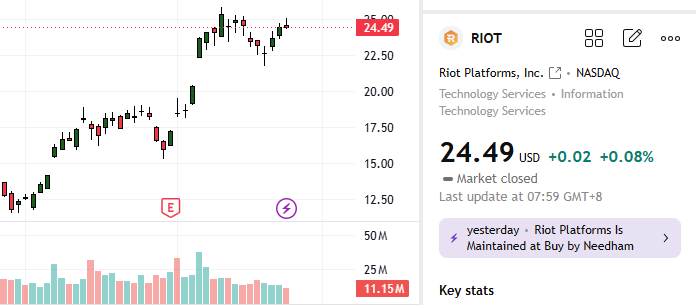
4. Riot Platforms operational capacity assessment
Riot Platforms distinguishes itself through vertical integration, owning its mining facilities and power infrastructure in Texas. This control allows for rapid scaling and better energy management compared to competitors relying on third-party data centers. The company’s pivot toward AI infrastructure alongside mining provides a diversified revenue stream, reducing reliance solely on Bitcoin price movements for growth.
5. Hut 8 Mining Corp infrastructure update
Hut 8 is transforming from a pure-play miner into a diversified digital asset infrastructure provider by investing heavily in AI data centers. The recent issuance of notes to fund a 352MW facility in Texas signals a strategic shift toward high-performance computing. This diversification mitigates crypto market volatility, offering investors exposure to the booming AI sector while retaining Bitcoin mining operations.

6. Cipher Mining Inc expansion plans
Cipher Mining is aggressively scaling its hash rate capacity through new facility acquisitions and operational upgrades. Investors should monitor their progress on integrating these assets into a cohesive network. The company’s focus on efficiency and rapid deployment positions it well for potential market share gains in the evolving mining landscape.

7. Iris Energy renewable energy mining model
Iris Energy distinguishes itself by powering mining operations with renewable energy sources, appealing to ESG-conscious investors. This model reduces long-term regulatory risks and potential carbon taxes. Tracking their partnerships with green energy providers offers insight into sustainable operational scalability and cost stability in a volatile market.

8. CleanSpark Inc sustainability and growth
CleanSpark Inc continues to balance aggressive hash rate expansion with a commitment to sustainable practices. Their strategy involves upgrading to next-generation mining hardware while maintaining a low carbon footprint. Analyzing their quarterly reports reveals how effectively they are managing energy costs alongside production growth targets.

9. HIVE Digital Technologies operational metrics
HIVE Digital Technologies focuses on optimizing operational metrics to maximize output per megawatt. Their recent performance highlights improvements in hardware efficiency and facility management. Investors should review their detailed operational dashboards to assess how well they are navigating hash rate adjustments and maintenance cycles.

10. Bitfarms Ltd production guidance review
Bitfarms Ltd provides clear production guidance, allowing investors to gauge future revenue streams accurately. Their strategic moves in asset acquisition and operational refinement are key indicators of long-term viability. Reviewing their latest guidance helps determine if their expansion plans align with current market demands and price trends.

Pick the right fit
Choosing the best crypto stocks to buy in 2026 is less about picking a winner and more about matching your portfolio to your risk tolerance. Publicly traded companies tied to digital assets move differently than the coins themselves. Some act as leveraged bets on Bitcoin’s price, while others generate steady revenue from mining or exchange fees regardless of market direction.
Start by identifying your primary goal. Are you seeking exposure to asset appreciation, or do you want income from stable operational cash flows? Your answer will determine whether you lean toward high-volatility miners or established payment processors.
1. Assess your risk appetite
Crypto stocks are inherently volatile. A 20% drop in Bitcoin can trigger a 30% or 40% decline in related equities. If you cannot stomach swings of that magnitude, limit your allocation to diversified financial firms with small crypto divisions rather than pure-play stocks.
2. Evaluate revenue models
Look at how these companies actually make money. Mining firms depend on electricity costs and hardware efficiency. Exchanges thrive on transaction volume. Payment processors benefit from merchant adoption. Understanding the engine behind the stock helps you predict which one will perform best in a bull or bear market.
3. Check liquidity and volume
Some crypto-linked stocks trade thinly, making it difficult to enter or exit positions without slippage. Stick to stocks with average daily trading volumes in the millions. This ensures you can execute trades quickly and at fair prices, especially during market turbulence.
4. Review regulatory exposure
Crypto regulations vary by country and change frequently. Companies with clear compliance frameworks and operations in regulated jurisdictions face fewer legal risks. Avoid firms with opaque ownership structures or those operating in gray areas of international law.


As an Amazon Associate, we may earn from qualifying purchases.
Crypto Stocks to Buy in 2026: 10 Publicly Traded Cryptocurrency Companies
Investing in crypto stocks requires understanding the difference between direct asset exposure and corporate earnings. While Bitcoin and Ethereum remain the foundational assets driving market sentiment, publicly traded companies offer a regulated entry point for traditional portfolios.
What is the best crypto to invest in in 2026?
Bitcoin (BTC) remains the definitive choice for most investors seeking direct crypto exposure. As the market leader, Bitcoin typically dictates the direction of the broader market; rallies usually begin with Bitcoin before spreading to altcoins. For those preferring equity, companies with significant Bitcoin holdings on their balance sheets, such as MicroStrategy, serve as leveraged proxies for the asset. However, direct investment in the token itself often carries lower fees and simpler custody than managing a stock position in a highly volatile corporate vehicle.
Are crypto stocks a good investment right now?
Crypto stocks are highly speculative and often move with a lag or amplification relative to the underlying digital assets. Publicly traded crypto miners and exchanges are subject to operational risks, regulatory scrutiny, and energy costs that do not affect direct token ownership. In 2026, the sector is heavily influenced by institutional adoption and stablecoin growth, which reached approximately $315 billion in market cap by early 2026. These stocks are suitable for high-risk tolerance investors who can withstand significant price swings.
How do crypto stocks differ from buying Bitcoin?
Buying Bitcoin gives you direct ownership of the asset, with value tied strictly to market demand and supply dynamics. Crypto stocks represent shares in companies that may mine, trade, or hold crypto. Their value is derived from both the crypto market and the company’s operational performance. For example, a mining stock might fall even if Bitcoin rises if the company faces high energy costs or regulatory bans. Stocks offer dividend potential and regulatory protections, while direct crypto ownership offers full control over your keys.
Should I buy crypto stocks or exchange-traded funds (ETFs)?
For most investors, crypto ETFs provide a more efficient and lower-cost way to gain exposure to Bitcoin and Ethereum compared to individual stocks. ETFs track the asset price directly, eliminating the operational risks associated with mining companies or exchanges. If you prefer the active management or leveraged exposure that some crypto stocks offer, individual equities may be appropriate. However, ETFs simplify tax reporting and custody, making them the preferred vehicle for long-term, passive exposure to the crypto market in 2026.
No comments yet. Be the first to share your thoughts!