
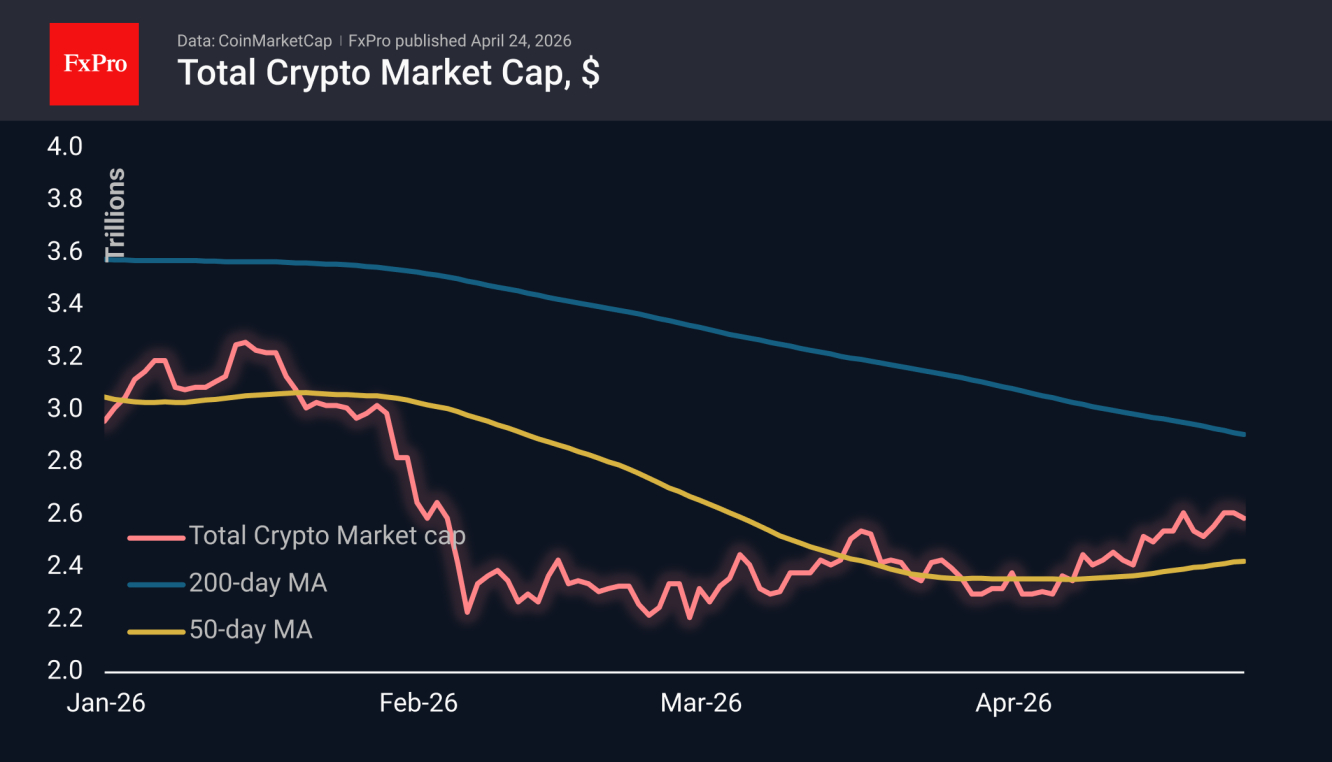
5 Crypto Stocks for Q3 2026: Bitcoin & Ethereum Plays
Q3 2026 demands a strategic pivot toward equities that directly leverage Bitcoin and Ethereum's market dominance. This curated list identifies five high-conviction crypto stocks positioned to capitalize on upcoming regulatory clarity and institutional adoption.
1. Coinbase Global: The exchange leader
Coinbase remains the premier regulated gateway for institutional and retail crypto exposure. As markets stabilize in Q3 2026, its robust infrastructure and regulatory clarity position it as a foundational holding for investors seeking direct exchange revenue streams. The platform continues to dominate spot trading volumes, offering a safer, more transparent entry point into digital asset markets compared to less regulated competitors.

2. Strategy: The Bitcoin treasury play
Former MicroStrategy has evolved into a pure-play Bitcoin treasury vehicle, holding massive BTC reserves on its balance sheet. This strategy offers leveraged exposure to Bitcoin’s price action without the operational complexities of direct mining or cold storage. For Q3 2026, it serves as a high-conviction bet on Bitcoin’s long-term store-of-value narrative, appealing to investors who want corporate balance sheet amplification.

3. Robinhood: Retail access growth
Robinhood capitalizes on the growing retail influx into crypto markets through its user-friendly interface and zero-commission trading model. As Q3 2026 brings renewed retail interest, Robinhood’s low barrier to entry allows it to capture transaction-based revenue from everyday investors. Its platform expansion into broader financial services creates a sticky ecosystem that drives consistent crypto trading volumes among younger demographics.

4. Sofina: Diversified financial exposure
Sofina provides indirect but significant exposure to the crypto sector through strategic investments in financial technology and blockchain infrastructure. Unlike pure-play exchanges, Sofna offers diversified financial exposure, mitigating single-asset risk while still benefiting from the broader adoption of digital assets. This makes it a compelling choice for conservative investors seeking crypto-linked returns within a traditional financial holding company framework.

5. CME Group: The derivatives gateway
CME Group serves as the institutional gateway to crypto derivatives, offering regulated futures and options on Bitcoin and Ethereum. As Q3 2026 sees increased institutional hedging activity, CME’s infrastructure provides the liquidity and security that traditional finance demands. This makes it a critical play for investors betting on the maturation of crypto markets and the integration of digital assets into mainstream financial portfolios.

The 2026 crypto stocks market outlook
The landscape for crypto-related equities has shifted from speculative retail trading to institutional-grade exposure. By 2026, the market is no longer driven by overnight retail pumps but by regulated entry points that offer stability and transparency. Public equities provide a bridge between traditional finance and digital assets, allowing investors to gain leverage on crypto adoption without managing private keys or navigating unregulated exchanges.
Institutional adoption has matured significantly. With the stablecoin market cap reaching approximately $315 billion by March 2026—a 53% increase from early 2025—the underlying infrastructure for digital payments is deeply embedded in the financial system [1]. This growth is supported by clearer regulatory frameworks and accelerating integration into core financial services, as noted in Coinbase’s 2026 market outlook [2].
Note: Investing in crypto stocks carries higher volatility than traditional blue-chip equities. While these companies offer regulated exposure to the crypto ecosystem, their valuations are still closely tied to the price action of Bitcoin and Ethereum.
For Q3 2026, the focus is on companies that are directly benefiting from this institutional shift. These are not abstract concepts but concrete businesses with revenue streams tied to mining, exchanges, or blockchain infrastructure. The following sections detail the top five public equities positioned to lead in this new era of crypto maturity.
Comparing Top Crypto Equities
Choosing the right crypto stock depends on how much Bitcoin exposure you want and how much volatility you can stomach. The table below breaks down the five most prominent plays for Q3 2026, highlighting their primary revenue drivers and correlation to digital asset prices.
| Ticker | Company | Primary Exposure | Risk Profile |
|---|---|---|---|
| COIN | Coinbase | Direct (Trading & Custody) | High |
| MSTR | MicroStrategy | Direct (Bitcoin Holdings) | High |
| MARA | Marathon Digital | Indirect (Mining) | High |
| SQ | Block | Moderate (Payments) | Moderate |
| PYPL | PayPal | Low (Bitcoin Services) | Low |
MicroStrategy and Coinbase offer the most direct correlation to Bitcoin’s price action, making them suitable for aggressive growth strategies. Marathon Digital adds operational leverage through mining, which can amplify gains but also increases sensitivity to energy costs and network difficulty. Block and PayPal provide broader fintech exposure with smaller, more stable crypto integrations.
Frequently asked questions about crypto stocks
Are crypto stocks a safer way to gain exposure than buying Bitcoin directly? Not necessarily. Crypto equities like Coinbase or MicroStrategy often carry a "leverage premium," meaning they can swing harder than the underlying assets. While they trade on regulated exchanges and avoid the technical risks of self-custody, their volatility is frequently amplified by company-specific operational risks rather than just Bitcoin's price action.
How do spot Bitcoin ETFs affect traditional crypto mining stocks? The launch of spot ETFs has decoupled price exposure from mining operations. Investors can now buy Bitcoin through ETFs without needing a mining company's balance sheet. Consequently, mining stocks like Marathon Digital or Riot Platforms now trade more on their electricity costs and hash rate expansion plans than on the spot price of Bitcoin alone.
What is the biggest risk to holding crypto-related equities in 2026? Regulatory classification remains the primary threat. If the SEC or CFTC reclassifies specific tokens or trading mechanisms, companies like Coinbase or Block may face sudden compliance costs or operational restrictions. Unlike direct ownership, where you hold the asset, equity holders rely on corporate structures that can be legally disrupted by policy shifts.
Can I use a 401(k) to invest in crypto stocks? Some self-directed IRAs or specialized 401(k) plans allow holdings in crypto-related equities, but standard employer-sponsored plans rarely include them. You cannot directly hold Bitcoin in most traditional retirement accounts, but you can hold stocks of companies that mine or custody it. Always check with your plan administrator before attempting to allocate retirement funds to this volatile sector.
No comments yet. Be the first to share your thoughts!