
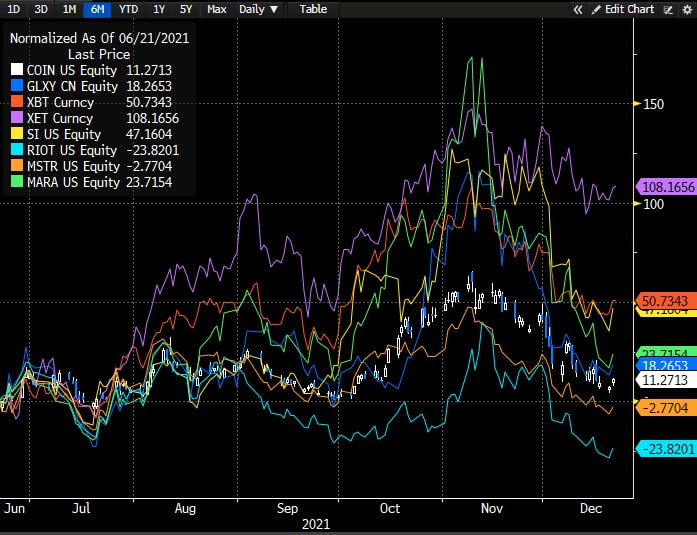
Why crypto stocks differ from coins
Buying crypto stocks is not the same as buying Bitcoin or Ethereum directly. When you purchase a cryptocurrency, you hold the digital asset itself, exposing you to the full volatility of the token market. With crypto stocks, you own equity in a company that benefits from the broader adoption of blockchain technology or digital asset management. This equity-based exposure strategy offers a different risk profile, particularly as we enter the post-halving cycle of 2026.
This distinction matters for portfolio construction. Crypto miners, for example, generate revenue by validating transactions, but their profitability is also tied to operational efficiency, energy costs, and hardware depreciation. A mining stock might rise even if Bitcoin’s price remains flat, provided the company expands its hash rate or reduces operational expenses. Conversely, a crypto exchange stock’s performance is often correlated with trading volume rather than the underlying asset’s price alone.
Investing in these equities also provides a layer of regulatory clarity that direct crypto ownership often lacks. Publicly traded companies are subject to SEC reporting requirements, audited financials, and corporate governance standards. This transparency can make it easier to evaluate the fundamental health of the business behind the crypto exposure, rather than relying solely on on-chain metrics or market sentiment.
Top crypto stocks for 2026
The post-halving cycle often drives institutional capital into publicly traded companies with direct exposure to digital assets. Rather than buying the volatile coins themselves, investors can gain leverage through equities that mine, hold, or facilitate the movement of cryptocurrency. The following companies represent the most direct and liquid ways to play the crypto market in 2026.
MicroStrategy (MSTR)
MicroStrategy has effectively rebranded itself as a Bitcoin holding company. Instead of generating revenue from traditional enterprise software, the firm uses its cash reserves and debt issuance to accumulate Bitcoin. This strategy makes MSTR one of the most aggressive proxies for Bitcoin’s price action. While it offers high beta exposure to BTC, the company’s heavy debt load and single-asset strategy introduce significant risk compared to holding the asset directly.
Coinbase Global (COIN)
Coinbase remains the largest US-based cryptocurrency exchange by trading volume. Its revenue model is tied directly to market activity; when trading volumes spike during bull markets, the company’s earnings follow. Beyond exchange fees, Coinbase generates revenue through subscription services and network revenues from staking. It offers a balanced mix of direct crypto exposure and traditional financial services infrastructure.
Block, Inc. (SQ)
Block, formerly known as Square, provides a unique hybrid of traditional fintech and cryptocurrency exposure. Through its Cash App, Block allows millions of users to buy, sell, and hold Bitcoin directly. The company also owns Bitkey, a hardware wallet solution, and processes payments for numerous crypto merchants. This diversified approach means Block benefits from crypto adoption without relying solely on speculative trading volumes.
Marathon Digital Holdings (MARA)
Marathon Digital is one of the largest publicly traded Bitcoin mining companies. It operates massive data centers focused on securing the Bitcoin network and earning block rewards. As a mining stock, MARA’s profitability is heavily influenced by the cost of electricity, the price of Bitcoin, and the difficulty of the mining network. It offers pure-play exposure to Bitcoin production but carries operational risks specific to the mining industry.
Comparison of Key Metrics
The table below outlines the primary business model and market positioning for these top crypto-related equities. Note that market capitalization and valuation metrics fluctuate daily based on broader market conditions.
| Ticker | Primary Crypto Exposure | Revenue Model |
|---|---|---|
| MSTR | Bitcoin Holdings | Software + BTC Appreciation |
| COIN | Bitcoin & Ethereum | Trading Fees + Subscriptions |
| SQ | Bitcoin via Cash App | Payment Processing + Crypto Fees |
| MARA | Bitcoin Mining | Block Rewards + Hashrate Sales |
Related Resources
For investors looking to understand the underlying technology or secure their own assets, the following educational and hardware resources are highly recommended.




As an Amazon Associate, we may earn from qualifying purchases.
How the 2026 Post-Halving Cycle Drives Crypto Equities
The 2024 Bitcoin halving reduced block rewards by half, a structural shock that historically tightens supply and sets the stage for valuation expansion in the following 12–18 months. By 2026, the market enters the mature phase of this post-halving cycle, where the scarcity of new Bitcoin issuance often coincides with institutional adoption and broader macroeconomic liquidity. This dynamic directly impacts crypto-related equities, particularly mining companies and firms holding Bitcoin on their balance sheets.
Historically, mining stocks act as leveraged plays on Bitcoin’s price. As the halving reduces revenue per block, efficient operators with low power costs and modern hardware maintain profitability while weaker competitors exit. In the 2026 cycle, investors are looking for miners with proven operational resilience and transparent treasury management. Companies that successfully manage the reduced reward environment often see their equity valuations rise in tandem with Bitcoin’s price, offering exposure to crypto upside without directly holding the asset.
Similarly, public companies that hold Bitcoin as a treasury reserve asset benefit from the same scarcity narrative. When Bitcoin appreciates, these firms’ balance sheets strengthen, potentially leading to higher market capitalizations and increased credibility in traditional finance. However, this strategy carries risk: if Bitcoin prices stagnate or decline, these companies face significant write-downs and shareholder pressure. The 2026 outlook suggests a bifurcation between firms with strong, long-term Bitcoin conviction and those using crypto primarily for short-term balance sheet optimization.
Investors evaluating these equities should look beyond headline Bitcoin prices. Key metrics include hash rate growth, energy efficiency ratios, and the proportion of revenue derived from non-mining services. Companies that diversify into cloud computing or infrastructure services often show more stable earnings during market downturns. Additionally, regulatory clarity in 2026 could further distinguish compliant operators from those facing legal headwinds, making corporate governance a critical factor in stock selection.
Risks in crypto equity investing
Buying stocks tied to the crypto ecosystem carries distinct hazards that differ from holding digital assets directly. While you avoid the risk of losing private keys, you inherit the volatility of the underlying token and the operational fragility of the business. Understanding these layers is essential before allocating capital in a post-halving cycle.
Regulatory shifts and legal exposure
The regulatory landscape remains the single largest variable for crypto equities. Companies like Coinbase and MicroStrategy operate under constant scrutiny from the SEC and international bodies. A sudden change in policy regarding staking, trading, or custody can depress stock prices independently of Bitcoin’s market performance. Unlike traditional commodities, crypto assets lack a unified global framework, meaning a ruling in one jurisdiction can impact global operations overnight.
Correlation with traditional markets
Crypto stocks often behave like high-beta tech stocks rather than pure commodity plays. During periods of market stress, investors frequently sell crypto equities alongside growth stocks, regardless of Bitcoin’s stability. This correlation means that a broad market correction can trigger significant losses in crypto holdings even if the underlying digital asset remains flat. Diversification benefits may be limited during systemic downturns.
Operational and business model risks
Crypto-native companies face unique operational challenges. Mining firms depend on energy costs and hardware efficiency, while exchanges rely on liquidity and security. A major hack, technical outage, or failure to adapt to new blockchain standards can erode competitive advantages rapidly. Additionally, revenue models tied to transaction fees are inherently cyclical, fluctuating with trading volume rather than providing steady, predictable cash flows.
Mitigation strategies
To manage these risks, investors should focus on companies with strong balance sheets and transparent governance. Diversifying across different segments of the crypto economy—mining, exchanges, and infrastructure—can reduce exposure to any single point of failure. Always verify company data through official SEC filings rather than relying on promotional material.
Frequently asked questions about crypto stocks in 2026
Are crypto stocks better than holding Bitcoin?
Crypto stocks offer exposure to digital asset growth without the technical complexity of self-custody. However, they carry distinct risks. Unlike Bitcoin, which trades directly on crypto markets, crypto stocks are influenced by traditional equity market dynamics, regulatory shifts, and individual company management decisions. For investors seeking direct price correlation with assets like Bitcoin or Ethereum, holding the coins themselves may provide a cleaner hedge, while stocks like Coinbase or Block offer leveraged exposure to the broader adoption of blockchain technology.
Which crypto stocks are best for long-term 2026 growth?
Long-term investors typically focus on companies with established infrastructure and regulatory compliance. Zacks Investment Research highlights firms like Block and eToro Group as strong contenders for 2026 due to their diversified revenue streams and user bases. Additionally, established cryptocurrencies like Bitcoin and Ethereum remain the foundational plays for long-term portfolios, often serving as the anchor for blockchain-focused equity strategies. Investors should prioritize companies with transparent financials and clear paths to profitability over speculative ventures.
How do I buy crypto stocks safely?
Start by opening a brokerage account that offers access to the exchanges where these stocks trade. Ensure the platform is regulated and insured. Research each company’s financial health, focusing on revenue growth and risk management practices rather than short-term price hype. Consider diversifying across multiple crypto-related businesses—such as exchanges, mining operations, and payment processors—to mitigate company-specific risks. Always consult a qualified financial advisor to align these high-volatility assets with your overall investment goals and risk tolerance.
No comments yet. Be the first to share your thoughts!