
Choose a regulated broker
Selecting a compliant brokerage platform is the first and most critical step in trading crypto stocks. The regulatory landscape is shifting rapidly, with the SEC preparing new frameworks for digital versions of securities. You need a broker that operates within these boundaries to ensure your assets are protected.
Look for platforms registered with the SEC and FINRA. These registrations mean the broker adheres to strict financial reporting and customer protection standards. Avoid unregulated offshore exchanges that offer crypto-equity products without proper licensing, as they offer no recourse in case of insolvency or fraud.
When comparing platforms, prioritize those that clearly disclose how they handle crypto-assets. Do they hold the underlying tokens? Do they use custodians? Transparency here is non-negotiable. A reputable broker will provide clear documentation on asset custody and segregation of client funds.
Fund your brokerage account securely
Before you can trade crypto stocks, you must move fiat currency from your bank to your brokerage. This step establishes the capital base for your portfolio. Security and speed are the primary concerns during this transfer. Follow these steps to ensure your funds arrive safely and are ready for trading.
Navigate to the "Banking" or "Deposit" section of your brokerage platform. Select "Add Bank Account" and enter your routing and account numbers. Most platforms use secure, read-only APIs like Plaid to verify ownership without storing sensitive banking credentials directly. This method is faster than manual entry and reduces the risk of transcription errors.
Regulatory requirements mandate that brokers verify your identity before accepting deposits. Upload a government-issued ID and a proof of address document. This process, known as Know Your Customer (KYC), is standard for all legitimate crypto stock brokers. Delays here are common during peak market hours, so complete this before you plan to trade.
Transfer a small amount first, such as $10 to $50. This confirms that the link between your bank and the brokerage is active and that the routing details are correct. It also helps you gauge how long the transfer takes for your specific bank. A successful test deposit builds confidence before you move larger sums.
Once the test is successful, initiate your primary deposit. Use ACH transfers for lower fees (often free) if you have a few days to wait. Use wire transfers if you need immediate access to funds, though these typically incur a $15 to $30 fee. Ensure the deposit amount does not trigger unnecessary fraud alerts by your bank for unusual activity.
After the funds clear, check your account balance. You are now ready to browse crypto-linked equities and ETFs. Always keep a portion of your funds in cash reserves to manage volatility, as crypto stocks can swing significantly in a single session.
Select crypto-linked equities
Trading crypto stocks requires distinguishing between direct cryptocurrency exposure and traditional equities tied to the industry. Direct crypto holdings, such as spot Bitcoin ETFs, track the asset price closely. Traditional equities, like mining companies or exchanges, often exhibit higher volatility and operate with different risk profiles. Understanding this distinction is essential for managing portfolio risk in a high-stakes environment.
The following comparison highlights major crypto-linked instruments. These data points help you evaluate cost structures and asset exposure before trading.
| Instrument | Type | Expense Ratio | Primary Exposure |
|---|
Spot ETFs like IBIT provide the most direct correlation to Bitcoin's price movement. Traditional equities such as Coinbase or MicroStrategy often amplify crypto market swings due to operational leverage or corporate treasury strategies. For live pricing on major instruments like IBIT, you can use a real-time widget to track current valuations.
Execute your first trade
Placing a buy order for a crypto stock or ETF requires matching your strategy to the right order type. A market order executes immediately at the current best available price, offering speed but exposing you to slippage during volatile swings. A limit order sets a specific price threshold, ensuring you never pay more than intended, though it carries the risk of the trade never filling if the market moves away.
Choose your order type
Before entering the trade, decide between market and limit execution. Market orders are best for high-liquidity assets like Bitcoin ETFs where spreads are tight. For smaller-cap crypto stocks or during periods of high volatility, limit orders protect your capital by preventing accidental purchases at inflated prices. Always check the bid-ask spread before clicking buy.
Enter your trade details
Navigate to the trading interface and select the specific crypto stock or ETF ticker. Enter the number of shares or the dollar amount you wish to invest. Review the estimated commission fees and any network costs if trading on a decentralized exchange. Double-check the ticker symbol to avoid buying a similar-sounding asset, a common and costly error.
Confirm and monitor
Submit the order and verify the status in your portfolio dashboard. Market orders typically fill instantly, while limit orders may sit pending until the price target is met. Set up price alerts to track your entry point without needing to stare at the screen. Remember that crypto assets can move 24/7, so your position remains active even when traditional markets are closed.
Search for the specific crypto stock or ETF ticker symbol in your brokerage’s trading terminal. Verify the asset’s liquidity and trading volume to ensure you can enter and exit the position efficiently. Avoid assets with low volume to prevent significant price slippage upon execution.
Choose between a market order for immediate execution or a limit order to control your entry price. Enter the quantity of shares or the total dollar amount you wish to invest. Review the estimated fees and spread costs to understand the true cost of the transaction before confirming.
Carefully review all order details, including the ticker, quantity, and order type. Confirm that your account has sufficient buying power or margin availability. Click submit to send the order to the exchange. Monitor your order status to ensure it fills as expected, especially for limit orders which may require price adjustments.
Monitor and manage risk
Trading crypto stocks requires a different rhythm than traditional equity trading. The underlying assets are volatile, and the stocks tracking them often amplify those moves. Your job is not to predict every swing, but to survive them. This section outlines the practical steps to track your positions and adjust your risk exposure as the market shifts.
Step 1: Set hard stop-losses immediately
Never enter a position without defining your exit point before the trade begins. Crypto-linked stocks can gap down significantly overnight due to regulatory news or exchange outages. Set a stop-loss order at a level that aligns with your maximum acceptable loss for that trade. This removes emotion from the equation and prevents a single bad trade from wiping out your account.
Step 2: Monitor correlation with Bitcoin
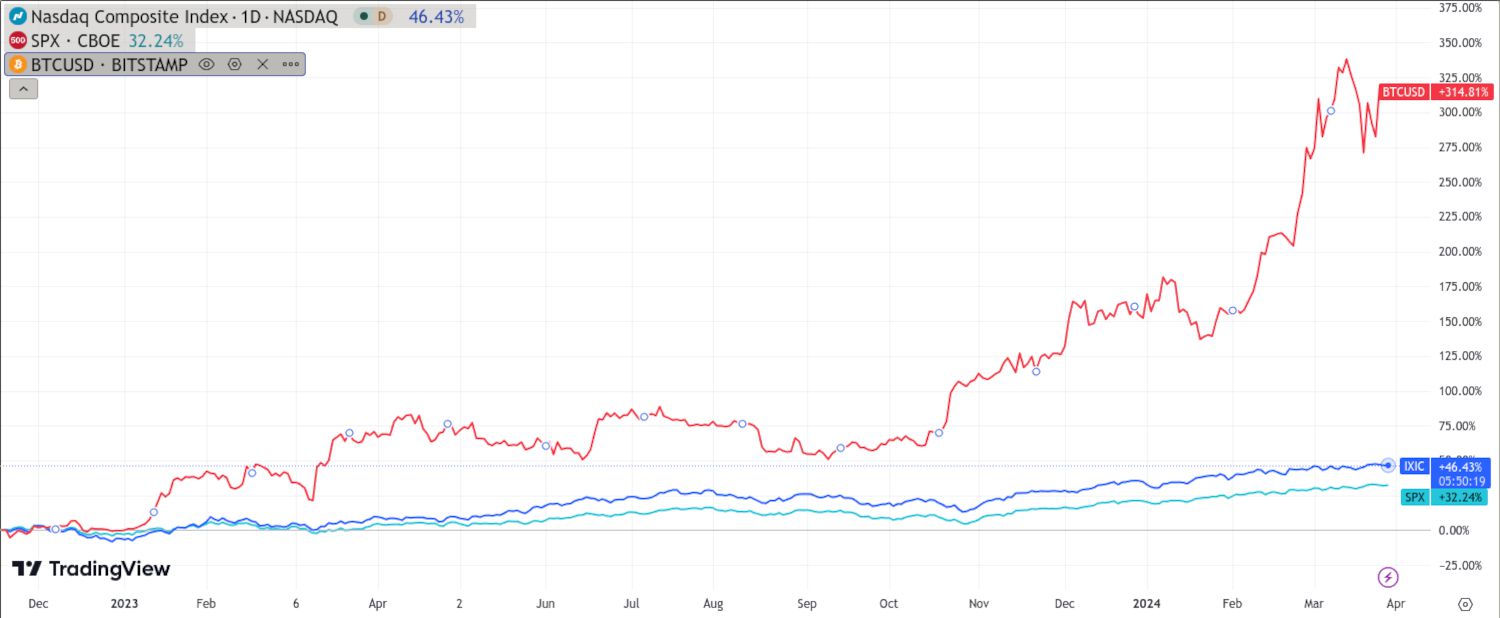
Crypto stocks rarely move in isolation. They are heavily influenced by the price of Bitcoin and Ethereum. Keep a chart of BTC/USD open alongside your trading platform. If Bitcoin drops 5%, expect your crypto stocks to drop 10-15% or more. Adjust your position size or exit if the correlation breaks down in an unexpected way, signaling a stock-specific issue rather than a market-wide trend.
Step 3: Rebalance based on volatility, not just price
High volatility means your position weights can shift quickly. If a crypto stock rallies 20% in a week, it may now represent a larger percentage of your portfolio than intended. This increases your risk exposure. Sell a portion of the winner to return to your target allocation. This disciplined rebalancing forces you to take profits and reduces concentration risk.
Step 4: Review pre-trade and post-trade risk
Before entering any new trade, check the following:
-
Is the stop-loss set and active?
-
Does the position size fit within my daily loss limit?
-
Is there upcoming earnings or regulatory news that could spike volatility?
-
Have I checked the correlation with Bitcoin for today?
After closing a trade, review what happened. Did you hit your stop-loss? Did you exit too early? Did you let a winner run? Documenting these decisions helps you refine your strategy over time. Risk management is not a one-time task; it is a continuous loop of monitoring, adjusting, and learning.
Step 5: Avoid over-leveraging during high volatility
Leverage amplifies gains, but it also amplifies losses. In the crypto market, a 10% drop can happen in minutes. Using high leverage during these periods can lead to liquidation before you can react. Stick to spot trading or low-leverage options until you have a proven track record of managing risk in volatile conditions.
No comments yet. Be the first to share your thoughts!