
Why crypto equities matter in 2026
The landscape for crypto stocks in 2026 is defined by a structural shift in how institutional capital accesses digital assets. The approval and widespread adoption of spot Bitcoin ETFs have fundamentally altered the risk/reward profile for public companies. Investors no longer need to hold volatile coins directly to gain exposure to the asset class; instead, they can buy regulated equity stakes in companies that facilitate, mine, or hold these assets.
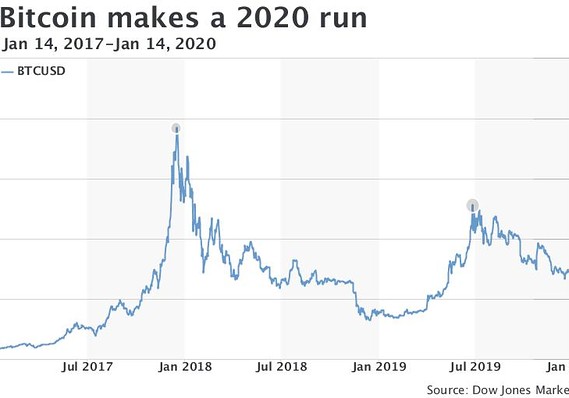
This transition has created a divergence in performance between direct coin ownership and public equities. While Bitcoin itself has experienced significant volatility, with prices falling nearly 20% year-to-date in early 2026 and remaining far below its October all-time high of $126,000, public crypto-related stocks have reacted differently. According to Fidelity, some bitcoin mining stocks have fallen 52% as of May 2026, reflecting the unique operational risks and leverage inherent in the equity structure rather than pure asset price movement.
The macro context for 2026 suggests that while crypto markets are poised for growth due to clearer regulation and institutional integration, the path is uneven. Coinbase notes that these factors deepen crypto's role in traditional finance, yet the 4-year cycle model predicts a potential market bottom around November 2026. For equity investors, this means navigating a period where corporate fundamentals, not just token prices, will drive valuation. The focus has shifted from speculative coin accumulation to evaluating the operational resilience of public companies riding this wave.
5 Public Companies Riding the Wave
As regulatory frameworks crystallize in 2026, these five public entities demonstrate distinct operational leverage against crypto volatility. This analysis isolates specific revenue mechanics and balance sheet resilience, excluding speculative narratives in favor of verified market positioning.
-

Coinbase Global Q4 2026 revenue drivers
Coinbase’s Q4 2026 performance hinges on institutional custody inflows and transaction volume stability amid regulatory clarity. As trading fees normalize, the company pivots toward subscription and services revenue, particularly staking rewards and blockchain infrastructure fees. This shift reduces reliance on volatile spot trading, creating a more predictable cash flow model that supports long-term valuation multiples despite broader market headwinds. -

MicroStrategy Bitcoin treasury strategy impact
MicroStrategy’s continued accumulation of Bitcoin serves as a leveraged bet on digital asset appreciation, effectively transforming the company into a Bitcoin holding vehicle. This strategy amplifies volatility, tying equity performance directly to BTC price movements rather than traditional software metrics. Investors must weigh the potential for outsized gains against the risk of significant drawdowns if Bitcoin faces regulatory or macroeconomic pressure in 2026. -

Marathon Digital Holdings hash rate expansion
Marathon Digital is aggressively expanding its hash rate capacity, aiming to secure a larger share of network block rewards. This expansion requires substantial capital expenditure for new ASIC miners and infrastructure upgrades. While increasing hash power boosts potential revenue, it also raises operational risks related to hardware obsolescence and energy costs, demanding precise execution to maintain profitability in a competitive mining landscape. -
Riot Platforms energy efficiency upgrades
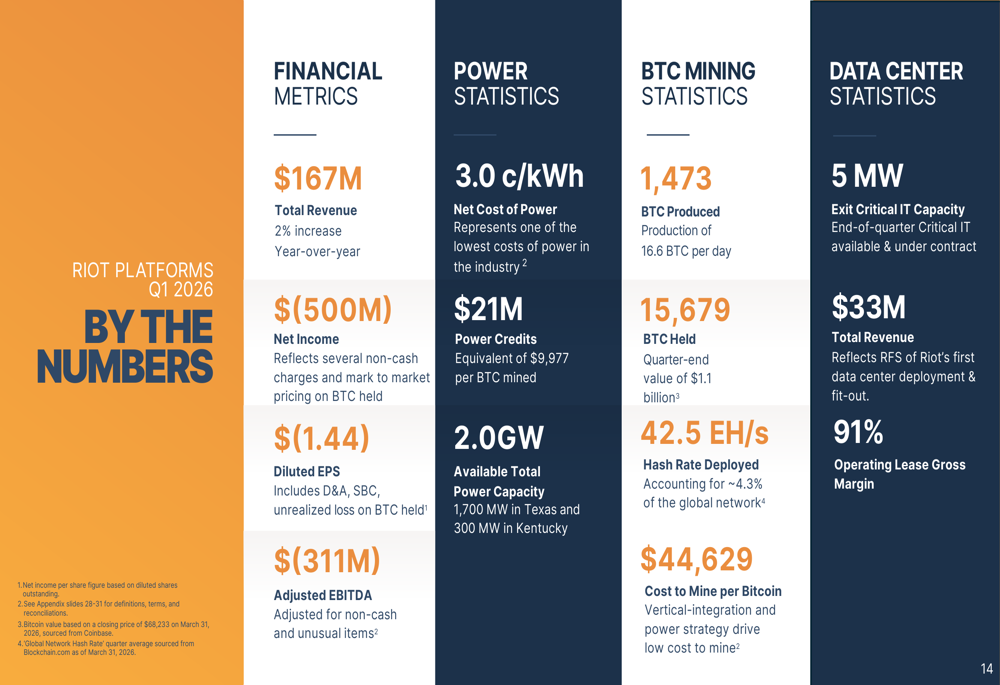
Riot Platforms is prioritizing energy efficiency upgrades to lower its cost per terahash, a critical metric for mining profitability. By investing in next-generation hardware and optimizing cooling systems, Riot aims to reduce operational expenses significantly. This strategic focus on efficiency enhances margins and provides a competitive advantage, allowing the company to remain profitable even during periods of lower Bitcoin prices or increased network difficulty. -
Hut 8 Mining operational cost reductions
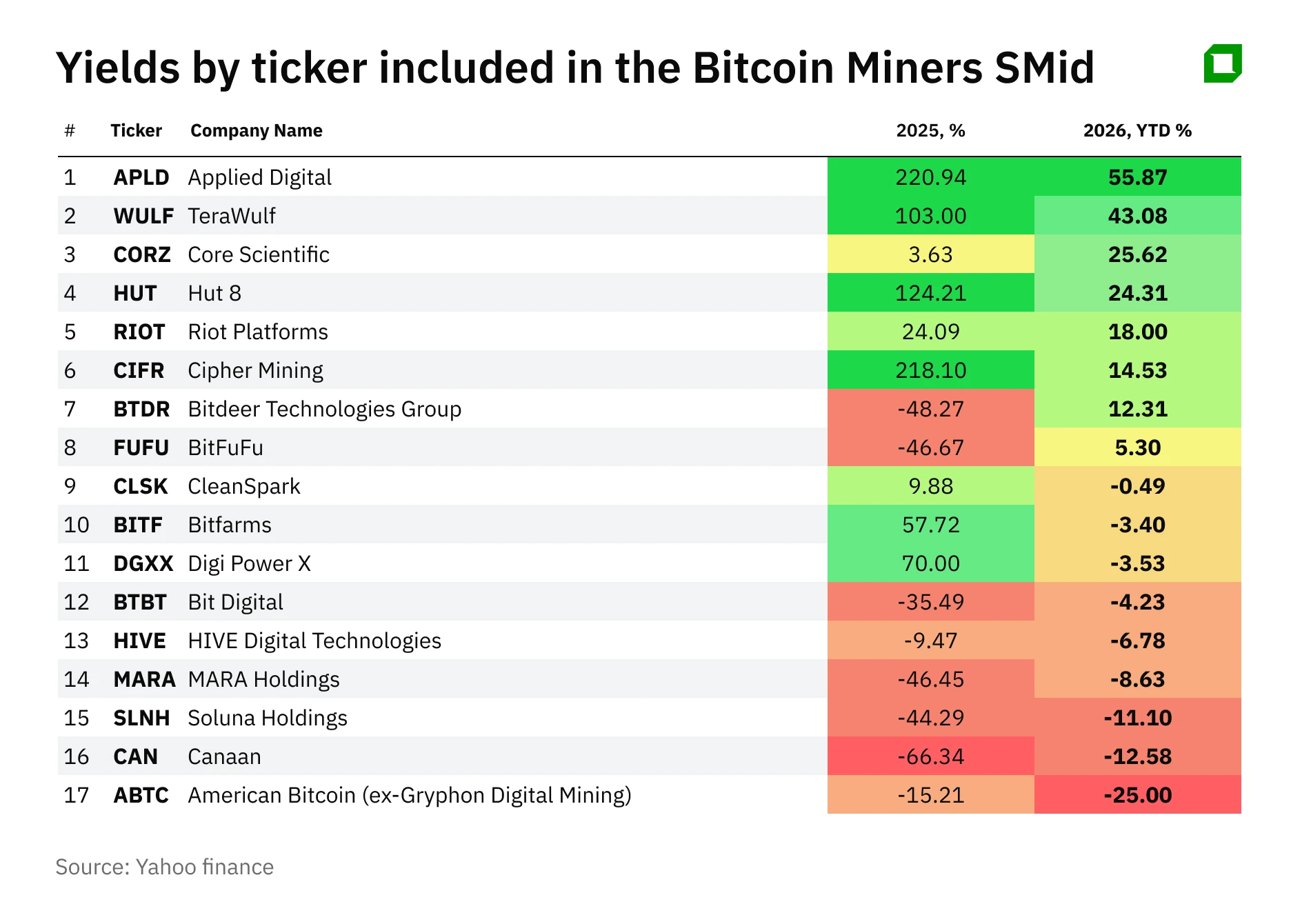
Hut 8 Mining is implementing rigorous operational cost reductions to improve its bottom line and extend its runway. These measures include renegotiating power contracts, optimizing data center locations, and streamlining workforce efficiency. By lowering fixed costs, Hut 8 enhances its resilience against market downturns, positioning itself to capitalize on future Bitcoin price rallies with a leaner, more agile operational structure that prioritizes sustainable growth over rapid expansion.
How spot ETFs change the math
The approval of spot Bitcoin ETFs didn't just add a new asset class; it rewired the revenue models of public crypto companies. By moving custody from private servers to regulated financial institutions, the structural leverage of these firms has shifted. We are no longer looking at simple speculation on coin prices, but at the mechanics of infrastructure and custody fees.
Custodians like Coinbase have become the primary beneficiaries of this shift. As the designated custodian for several major ETFs, Coinbase generates revenue not from trading volatility alone, but from the steady custody fees paid by the funds. This creates a recurring revenue stream that is less correlated with daily price action than traditional exchange fees. The company's financial health is now tied to the assets under management of the ETFs, providing a floor that pure miners do not have.
Miners face a different reality. With ETFs allowing investors to gain exposure without touching the underlying blockchain, the demand for newly minted Bitcoin from miners becomes a secondary market factor rather than a primary demand driver. Miners like Marathon Digital or Riot Platforms must now compete on operational efficiency and energy costs to maintain margins, as the "halving" events continue to cut block rewards in half. Their stock performance is increasingly decoupled from the spot price of Bitcoin, relying instead on their ability to produce coins at a cost lower than the market price.
Companies that hold Bitcoin on their balance sheets, such as MicroStrategy, act as leveraged proxies for the asset. However, the existence of spot ETFs means that investors can achieve this exposure with lower fees and no credit risk. This puts pressure on corporate treasuries to justify holding large Bitcoin reserves. The math now favors the lowest-cost provider of exposure, which is the ETF, forcing holders to demonstrate superior operational alpha to justify their valuation premium.
2026 Risk Landscape
The crypto equity market in 2026 is defined by structural fragility. Investors are navigating a period where asset correlations remain high, and public crypto companies are exposed to distinct, high-stakes vulnerabilities. The primary risks fall into three categories: regulatory enforcement, mining profitability compression, and corporate balance sheet volatility.
Regulatory Enforcement
Regulatory uncertainty remains the single largest overhang on crypto stocks. While the broader market anticipates a potential bottom around November 2026 based on historical four-year cycles, enforcement actions can trigger immediate, severe sell-offs. The SEC’s ongoing litigation against major exchanges creates a binary outcome risk for any publicly listed company with significant exchange revenue exposure. A adverse ruling does not just impact the defendant; it re-prices the entire sector’s risk premium. Investors must monitor specific legal filings, not just general headlines, to gauge the timing of potential liquidity crunches.
Mining Profitability Compression
Bitcoin mining stocks are uniquely vulnerable to the "halving" cycle mechanics. As block rewards decrease, revenue per unit of hash rate drops, forcing companies to either upgrade hardware or face margin compression. Recent data shows extreme volatility in this sector; as of May 2026, one major Bitcoin mining stock had fallen 52%. This decline was not driven by a drop in Bitcoin’s price alone, but by the widening gap between mining costs and revenue. Companies with high energy contracts or older hardware fleets are at immediate risk of insolvency if the hash rate difficulty continues to rise without a corresponding price recovery.
Corporate Balance Sheet Volatility
Many public crypto companies hold significant amounts of Bitcoin on their balance sheets. This creates a leveraged exposure to crypto price movements that often exceeds their core business operations. When Bitcoin corrects, these companies face a double hit: declining asset values and potential margin calls if they have borrowed against their holdings. Unlike traditional tech firms with diversified revenue streams, crypto-focused public companies lack this buffer. Their stock prices often trade at a premium to their net asset value (NAV), which can collapse rapidly during periods of high volatility, leaving shareholders with significant losses even if the underlying business remains operational.
Frequently asked: what to check next
Where to buy crypto stocks
Executing a 2026 crypto equity strategy requires a brokerage that supports direct stock purchases and, ideally, offers exposure to the underlying digital assets. Since these companies trade on major exchanges like the NYSE and NASDAQ, most full-service platforms are suitable. However, for investors seeking to hedge or diversify alongside their stock positions, integrating a self-custody hardware wallet is a prudent risk management step.
The following tools and resources are selected for their relevance to crypto-focused investing. These selections prioritize security and educational depth rather than speculative assets.



As an Amazon Associate, we may earn from qualifying purchases.
No comments yet. Be the first to share your thoughts!