

Why crypto stocks differ from coins
Buying publicly traded equity in crypto-related companies is fundamentally different from holding cryptocurrency directly. When you purchase Bitcoin or Ethereum, you own the digital asset itself. When you buy a crypto stock, you own a share of a company that may mine, trade, or hold those assets, or provide infrastructure for the ecosystem. This distinction matters because the two investments carry entirely different risk profiles and drivers.
Crypto equities often correlate with Bitcoin’s price movements, but they are not identical. A company’s stock price is influenced by operational factors such as management decisions, regulatory compliance, energy costs, and competitive positioning. For example, MicroStrategy (MSTR) holds significant Bitcoin reserves, but its stock also reflects the company’s debt structure and corporate strategy. Coinbase (COIN) benefits from trading volume, while IREN focuses on mining efficiency. These operational variables can cause stocks to outperform or underperform the underlying crypto assets.
This separation creates both opportunities and risks. During bull markets, crypto stocks can amplify gains due to leverage and operational scaling. In downturns, they may fall harder than the assets they track, as investors flee risky equities before exiting crypto positions. According to Yahoo Finance, regulatory tailwinds and institutional adoption are driving interest in these stocks, but investors must evaluate each company’s specific business model rather than treating them as simple proxies for Bitcoin.
Understanding this difference helps explain why specific public leaders like MSTR, COIN, SQ, and IREN are recommended. Each offers exposure to the crypto ecosystem through different mechanisms—corporate treasury strategy, retail trading platforms, payment processing, and mining operations. By analyzing these distinct approaches, investors can choose the type of exposure that aligns with their risk tolerance and market outlook.
5 Best Crypto Stocks to Buy in 2026: Public Leaders
As the 2026 market cycle evolves, public equities tied to cryptocurrency infrastructure offer distinct exposure to digital asset trends without the volatility of direct token ownership. This analysis evaluates leading tickers—MicroStrategy (MSTR), Coinbase Global (COIN), Block (SQ), and Iris Energy (IREN)—based on institutional adoption metrics and regulatory clarity. The following selections prioritize companies with established balance sheets and clear revenue streams, drawing on data from Forbes and Zacks to assess long-term viability.
1. MicroStrategy: The Bitcoin proxy play
MicroStrategy remains the premier public vehicle for direct Bitcoin exposure, functioning as a leveraged proxy for the asset. By holding substantial BTC reserves on its balance sheet, the company offers investors a regulated equity entry point into cryptocurrency markets. This strategy appeals to those seeking Bitcoin’s upside without managing private keys or navigating unregulated exchanges directly.

2. Coinbase: The regulated exchange leader
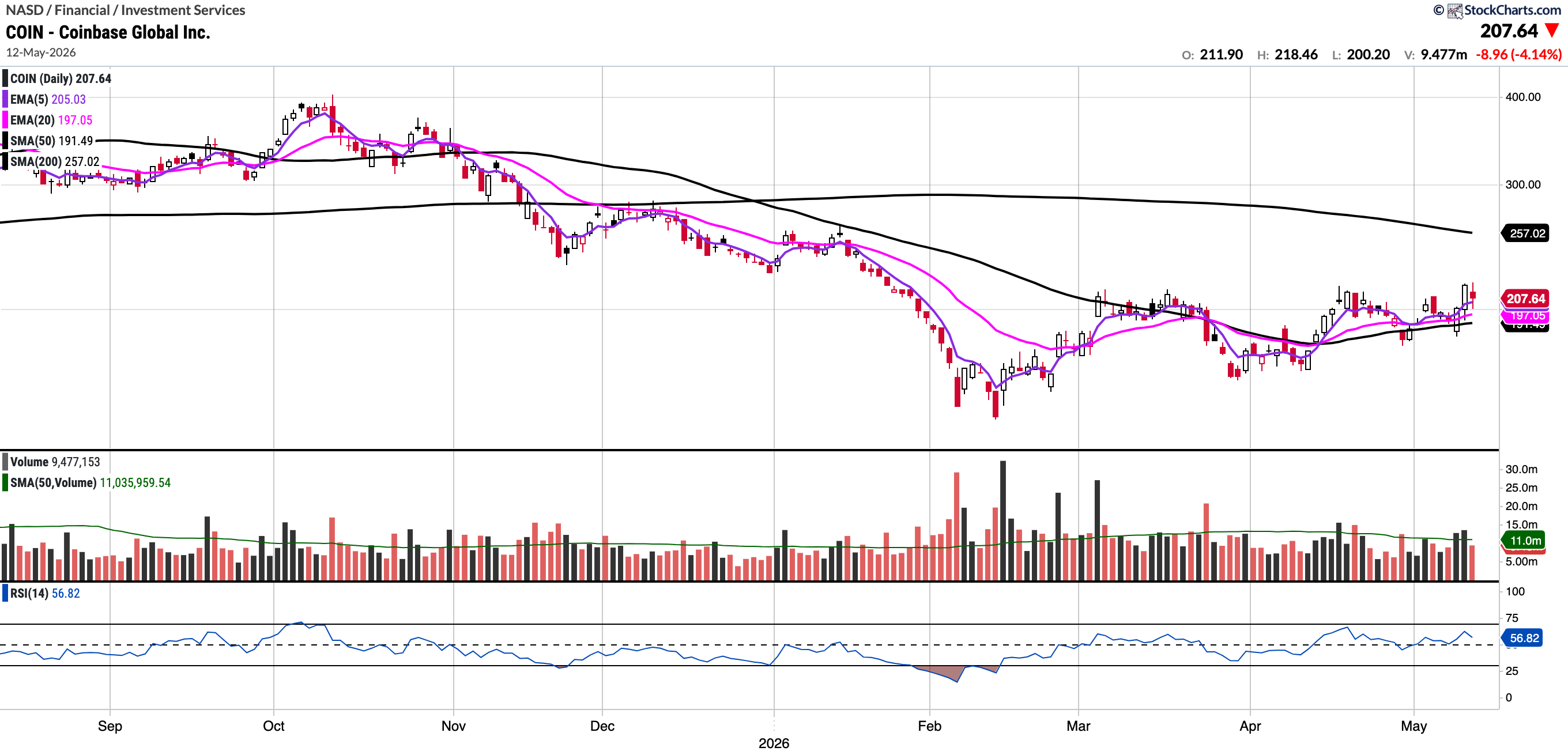
Coinbase stands as the largest U.S.-based cryptocurrency exchange, providing essential infrastructure for trading digital assets. Its regulatory compliance and public listing make it a cornerstone for institutional and retail investors alike. As crypto adoption grows, Coinbase benefits from increased trading volumes and expanding revenue streams from custody services and blockchain infrastructure.
3. Block: The payments and Bitcoin integration
Block, formerly Square, integrates Bitcoin into its Cash App ecosystem, enabling millions of users to buy, sell, and hold BTC seamlessly. This consumer-facing approach drives practical adoption while leveraging its payment processing network. Block’s dual revenue model combines traditional fintech services with growing cryptocurrency transaction fees, creating a unique hybrid exposure to digital asset growth.

4. IREN: The high-growth mining operator
IREN has transformed from a traditional data center company into a leading Bitcoin mining operator with aggressive expansion plans. The company focuses on energy-efficient mining operations and sustainable power sourcing, positioning itself for long-term profitability. As Bitcoin halving events reduce block rewards, IREN’s scale and operational efficiency are critical factors for maintaining competitive margins in the mining sector.

5. Marathon Digital: The diversified mining strategy
Marathon Digital operates one of the largest Bitcoin mining fleets in North America, emphasizing operational resilience and technological innovation. The company’s diversified approach includes strategic partnerships and continuous hardware upgrades to maintain hash rate leadership. Marathon’s focus on sustainable energy integration and regulatory compliance positions it as a stable choice for investors seeking direct exposure to Bitcoin mining economics.
How to compare these crypto stock picks
Evaluating crypto-linked equities requires separating corporate revenue streams from speculative exposure. Not all Bitcoin proxies operate identically. Some companies generate steady cash flow from payments or software, while others hold digital assets primarily as treasury reserves. Understanding this distinction is essential for managing portfolio risk.
The following comparison highlights four public leaders: MicroStrategy (MSTR), Coinbase (COIN), Block (SQ), and IREN (formerly Iris Energy). Each offers a different mechanism for gaining exposure to the digital asset sector.
| Ticker | Primary Revenue Source | Bitcoin Exposure | Risk Profile |
|---|---|---|---|
| MSTR | Software & Services | Direct (Treasury Holdings) | High (Leveraged BTC Proxy) |
| COIN | Transaction Fees & Subscription | Indirect (Volume-Driven) | Medium-High (Cyclical) |
| SQ | Payment Processing & Commerce | Indirect (Holdings & Integration) | Medium (Diversified) |
| IREN | Bitcoin Mining | Direct (Production Output) | High (Operational & Market) |
MicroStrategy functions as a leveraged Bitcoin proxy. Its software business provides a baseline, but its market valuation is heavily tied to the price of its BTC holdings. Coinbase derives revenue from trading volume and custody fees. Its performance correlates with market activity rather than just price direction. Block integrates Bitcoin into its payment ecosystem, offering broader diversification. IREN generates revenue through mining operations, linking profitability directly to hash rate efficiency and energy costs.
Investors should assess their tolerance for volatility against their desired exposure mechanism. Direct holders like MSTR and IREN offer pure price sensitivity, while Coinbase and Block provide exposure through business utility and network effects.
Frequently asked questions about crypto stocks
Related reading and tools
Expanding your knowledge of digital assets requires more than tracking public equities like MicroStrategy (MSTR) or Coinbase (COIN). Building a resilient portfolio involves understanding the underlying technology and securing your holdings against market volatility. The following resources provide a foundation for both education and practical application.
Essential reading for market context
Before allocating capital to crypto-linked stocks, investors should grasp the macroeconomic forces driving digital asset valuations. For a rigorous analysis of market trends, Forbes and Zacks Investment Research offer comprehensive data on cryptocurrency performance and regulatory impacts. Their reports provide the factual basis needed to distinguish between speculative hype and sustainable growth in the blockchain sector.
Secure your digital assets
Ownership of crypto stocks is only one part of the equation; securing physical holdings requires specialized hardware. Hardware wallets provide an offline environment for private keys, significantly reducing the risk of online breaches. The following devices are widely regarded as industry standards for secure storage.


As an Amazon Associate, we may earn from qualifying purchases.
No comments yet. Be the first to share your thoughts!