
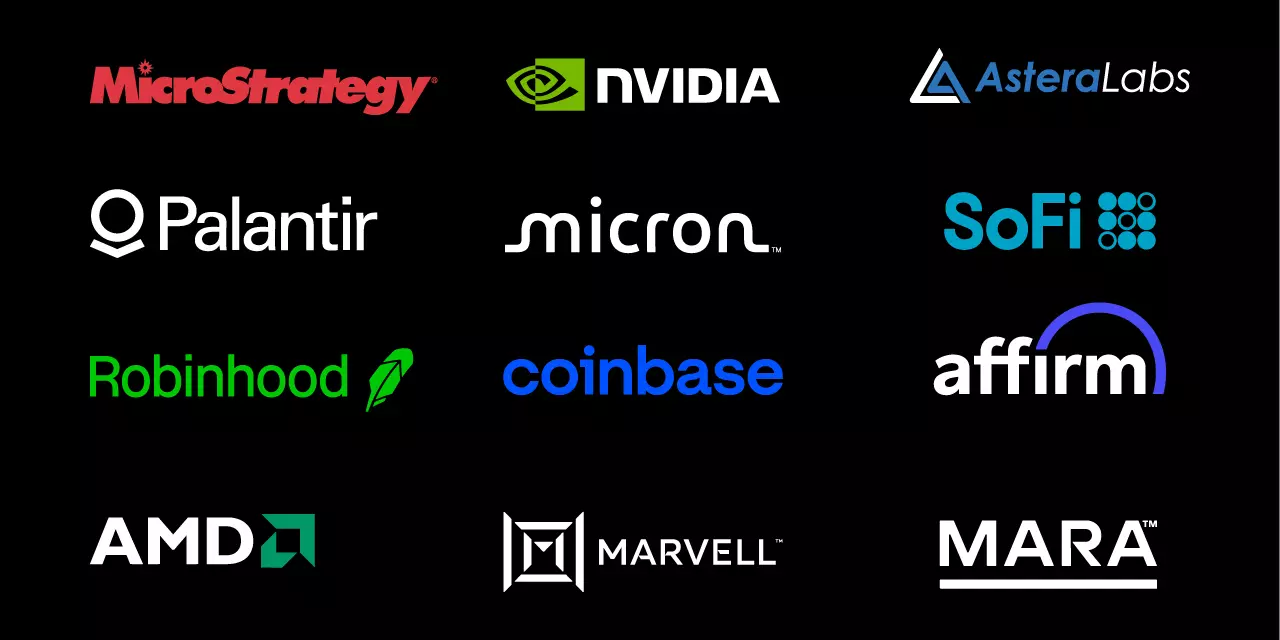
Why crypto equities lead in 2026
The macro thesis for 2026 centers on a structural divergence between spot crypto volatility and the operational leverage of public equities. While Bitcoin and Ethereum remain the primary assets driving market sentiment, holding the underlying tokens exposes investors to binary outcomes and exchange risk. Crypto equities—ranging from mining operations like IREN and CIFR to infrastructure providers and exchanges like Coinbase—offer a hedge against this direct exposure. These companies monetize the ecosystem through fees, energy arbitrage, and hardware sales, creating revenue streams that can remain profitable even when asset prices consolidate.
This dynamic is amplified by two specific tailwinds: the proliferation of spot Bitcoin ETFs and the integration of AI into blockchain infrastructure. ETFs have institutionalized capital flows, reducing the premium-discount volatility that plagued earlier cycles. Meanwhile, the demand for high-performance computing for AI workloads is driving a new wave of mining efficiency. Companies that pivot to hybrid computing models are not just betting on token prices; they are selling the "picks and shovels" of the digital economy. This operational leverage allows equities to outperform spot assets during bull markets while providing a more stable balance sheet during downturns.
Investors are increasingly favoring tickers with diversified revenue models. Instead of betting solely on the price of BTC, capital is flowing toward companies with strong balance sheets and AI-driven operational efficiencies. This shift reflects a maturation of the sector, where the focus moves from speculative asset accumulation to sustainable, utility-driven growth. The result is a market where crypto equities act as a more robust proxy for the broader digital asset revolution.
Top Bitcoin miners and infrastructure plays
Bitcoin miners operate as leveraged proxies for the asset itself, translating hash rate growth directly into revenue. As the network’s total hash rate climbs, the most efficient operators capture disproportionate value by producing more blocks per unit of energy. This dynamic makes operational efficiency and energy strategy the primary filters for selecting public equities in this sector.
Two names stand out for their scale and strategic positioning: IREN (formerly Iris Energy) and Cipher Mining (CIFR). IREN has aggressively expanded its fleet with next-generation ASICs while securing long-term power agreements at competitive rates. Cipher Mining mirrors this approach, focusing on low-cost power access in jurisdictions with favorable regulatory environments. Both companies benefit from the structural deficit in block rewards as the 2024 halving’s effects fully mature.
Investors must weigh the volatility of Bitcoin’s price against the fixed costs of infrastructure. A drop in BTC price compresses margins instantly, but high-efficiency miners have a wider buffer before reaching their break-even point. Monitoring the company’s cost-per-bitcoin metric is more telling than short-term price action.
AI-integrated crypto tokens and stocks
The intersection of artificial intelligence and blockchain offers some of the most volatile yet potentially lucrative opportunities in the 2026 market. Companies and tokens bridging these two sectors are attracting capital that seeks exposure to both the computational power of AI and the decentralized infrastructure of crypto. However, this segment remains highly speculative, requiring careful evaluation of each asset's actual utility versus its marketing narrative.
Bittensor (TAO) stands out as a primary example of an AI-native crypto network. Unlike traditional tech giants that merely hold crypto assets, Bittensor is built specifically to decentralize machine learning model training. By limiting the supply of new tokens, the protocol aims to create scarcity that could drive value if the demand for decentralized AI compute grows. This structural approach distinguishes it from broader market plays, though it also introduces unique regulatory and technological risks.
For investors seeking more established exposure, tech giants with significant crypto holdings or AI integration provide a different risk profile. These companies often benefit from the dual growth engines of AI development and digital asset reserves. While they may not offer the explosive upside of pure-play AI crypto tokens, they provide a hedge against the extreme volatility characteristic of the crypto sector.
To understand how these assets correlate with broader market trends, it is useful to look at historical performance data. The following comparison highlights key metrics for selected AI-crypto plays, focusing on market capitalization and integration depth.
| Asset | Type | AI Integration | Risk Profile |
|---|---|---|---|
| Bittensor (TAO) | Crypto Token | Native AI Network | High |
| NVIDIA (NVDA) | Tech Stock | Hardware Infrastructure | Medium |
| Coinbase (COIN) | Crypto Exchange | Platform Services | Medium-High |
| MicroStrategy (MSTR) | Corporate Treasury | Minimal/None | High |
For those looking to deepen their understanding of these complex assets, several books and hardware setups can provide valuable context. The following products are commonly recommended for investors seeking to build a more informed approach to digital asset analysis.



As an Amazon Associate, we may earn from qualifying purchases.
ETF Issuers and Exchange Platforms
The 2026 regulatory environment has shifted from uncertainty to institutional adoption, creating a distinct revenue tailwind for companies that facilitate crypto trading and ETF management. Unlike pure-play miners or developers, these platforms operate as the infrastructure layer, capturing value through transaction fees, custody services, and asset management expenses. As spot Bitcoin and Ethereum ETFs continue to attract institutional capital, the firms managing these products and providing retail access see direct correlation between market inflows and their top-line growth.
Coinbase Global (COIN) remains the dominant player in this space, leveraging its status as the primary custodian for several major ETF issuers. Its revenue model benefits from two distinct streams: the trading fees generated by retail investors and the management fees earned from its own Grayscale Bitcoin Trust conversion. The platform’s compliance infrastructure allows it to serve as a bridge for traditional finance firms entering the digital asset space, a moat that is widening as regulatory clarity improves. A technical analysis of COIN often reveals a strong correlation with broader crypto market sentiment, yet its institutional custody business provides a more stable baseline during volatility.
Robinhood Markets (HOOD) has aggressively expanded its crypto offerings, positioning itself as a low-cost alternative for retail investors. By integrating crypto trading directly into its commission-free stock and options platform, Robinhood captures a high-volume, low-margin segment of the market. While its per-transaction revenue is lower than Coinbase’s, the sheer scale of its user base allows it to compete effectively on accessibility. The firm’s strategy relies on cross-selling; as users become comfortable with crypto, they often migrate to Robinhood’s broader financial services, including its retirement accounts and credit card products.
The convergence of ETF inflows and retail trading activity creates a dual-engine growth model for these issuers. Regulatory tailwinds reduce compliance costs and open the door for more traditional financial institutions to offer crypto exposure, further increasing the addressable market for platforms like Coinbase and Robinhood. Investors should monitor quarterly inflow data from major ETF issuers, as these metrics serve as leading indicators for the trading volume and custody fees that drive these companies’ earnings.


As an Amazon Associate, we may earn from qualifying purchases.
How to evaluate crypto stock risks
Best Crypto Stocks to Buy works best when the purchase path is explicit. Verify the source, compare the offer against real alternatives, check the total cost, and confirm what happens after payment before you decide. After each comparison, write down the one risk that would change your mind. If the seller, condition, support, warranty, shipping, or upkeep still feels uncertain, resolve that question before moving to checkout.
The simplest way to use this section is to verify the seller, compare the total cost, and resolve the biggest risk before you commit.
Frequently asked questions about crypto stocks
What crypto should I invest in in 2026?
Investors seeking exposure to digital assets in 2026 are largely focusing on Bitcoin as the primary store of value. For those with higher risk tolerance, analysts suggest allocating smaller positions to established altcoins like Bittensor and XRP. This approach balances stability with the potential for outsized returns if the broader market expands.
Which crypto sector is most bullish for 2026?
The current market landscape favors large-cap assets with proven liquidity and network effects. Bitcoin, Ethereum, and Solana remain the dominant forces, while institutional-grade stablecoins like USDC and Binance Coin (BNB) continue to see steady adoption. These sectors are viewed as the safest entry points for capital deployment in the current cycle.
Are crypto stocks a good investment right now?
Crypto stocks offer a regulated way to gain exposure to digital asset price movements without directly holding tokens. Companies involved in mining, exchanges, and blockchain infrastructure often trade at a premium to the underlying assets they support. Investors should evaluate each company's balance sheet and revenue diversification before committing capital.
No comments yet. Be the first to share your thoughts!