

5 Crypto-Related Stocks to Watch in 2026
Investors targeting crypto stocks in 2026 must navigate significant volatility and regulatory uncertainty. This analysis identifies five publicly traded equities with direct exposure to digital asset markets, prioritizing those with transparent reporting and established operational footprints. Thorough due diligence is required to assess the specific risk profiles associated with each holding.
-

Coinbase Global Inc stock analysis
Coinbase faces valuation scrutiny as it navigates two consecutive quarterly losses despite a $232 Street target. Investors must weigh its dominant exchange position against regulatory headwinds and shifting crypto market dynamics. The stock’s performance hinges on whether trading volume sustains or if fee compression erodes margins further. Due diligence is essential, as the gap between analyst optimism and current financial reality suggests significant volatility ahead for this primary crypto stock in 2026. -
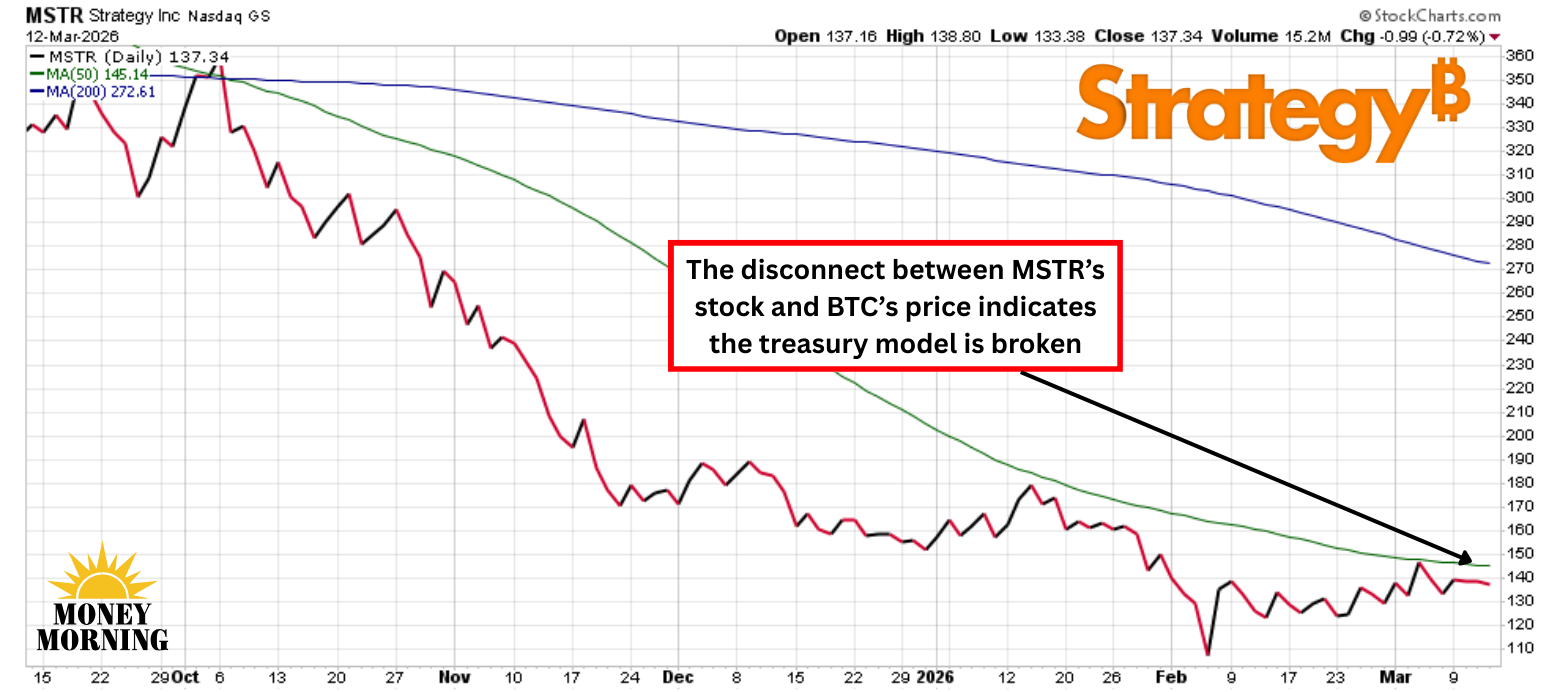
MicroStrategy Bitcoin treasury strategy
MicroStrategy’s corporate treasury remains heavily concentrated in Bitcoin, a strategy that amplifies exposure to digital asset volatility. While the firm leverages Bitcoin as a primary reserve asset, this approach carries substantial risk if the underlying cryptocurrency experiences severe downturns. Investors evaluating this crypto stock in 2026 must assess whether the company’s debt structure and operational cash flow can withstand prolonged bear markets without diluting shareholder equity. -

Marathon Digital Holdings mining operations
Marathon Digital is pivoting its mining operations toward AI infrastructure while maintaining its Bitcoin production capabilities. This strategic shift aims to diversify revenue streams amid fluctuating hash rates and energy costs. However, the transition introduces execution risk, requiring significant capital expenditure and technical expertise. Analysts monitoring this crypto stock in 2026 should track the balance between legacy mining efficiency and new AI data center contracts to gauge long-term viability. -

Riot Platforms energy efficient mining
Riot Platforms emphasizes energy-efficient mining operations to mitigate rising electricity costs and regulatory pressures. By optimizing its data center footprint, the company seeks to maintain profitability even during periods of low Bitcoin prices. This focus on operational efficiency is critical for survival in a competitive landscape. Investors should scrutinize Riot’s energy contracts and hardware upgrades to determine if its cost structure provides a sustainable advantage for this crypto stock in 2026. -

CleanSpark sustainable crypto mining
CleanSpark prioritizes sustainable crypto mining practices, leveraging renewable energy sources to reduce its carbon footprint. This approach aligns with increasing environmental, social, and governance (ESG) demands from institutional investors. While potentially attractive to eco-conscious funds, the strategy requires robust infrastructure investments that may strain short-term cash flows. Stakeholders evaluating this crypto stock in 2026 must balance ESG benefits against the financial realities of maintaining green mining operations.
The post-ETF maturity era
The crypto market has entered a phase defined by institutional infrastructure rather than pure speculation. With spot Bitcoin and Ethereum ETFs now fully integrated into traditional portfolios, the focus has shifted to the underlying utilities that support this ecosystem. For investors looking at crypto-related stocks in 2026, the narrative is no longer about chasing volatile asset prices, but about identifying companies that profit from the steady flow of capital through regulated channels.
A primary driver of this maturity is the expansion of stablecoin utility. As of March 31, 2026, the total stablecoin market cap reached approximately $315 billion, marking a 53% increase from early 2025, according to Fidelity Investments. This growth signals that digital dollars are being used for more than just trading pairs; they are becoming a standard settlement layer for cross-border transactions and decentralized finance applications. Companies that provide the custody, compliance, or payment rails for these stablecoins are positioned to benefit from this structural shift.
However, this institutionalization does not eliminate risk. Bitcoin remains a high-volatility asset, and market sentiment can shift rapidly. While some analysts predict Bitcoin will break its historical four-year cycles and potentially outperform traditional tech stocks in stability, the asset has already experienced significant drawdowns in 2026. Investors must approach crypto-related equities with caution, recognizing that the growth of the stablecoin market and ETF adoption creates opportunities, but does not guarantee returns.
How Spot ETFs Reshaped Crypto Stocks 2026
The approval of Spot Bitcoin ETFs did more than just legitimize digital assets; it fundamentally altered the revenue architecture for crypto-related equities. Before 2024, companies in this sector relied heavily on transaction fees from retail trading or the volatile valuation of their own crypto holdings. The new regulatory framework shifted the focus toward steady, fee-based institutional flows, creating a more predictable, albeit still cyclical, income stream.
For investors tracking crypto stocks 2026, this transition means valuations are increasingly tied to assets under management (AUM) rather than just speculative trading volume. As institutional capital continues to flow through these regulated vehicles, the correlation between traditional market indices and digital asset performance has intensified. This structural change reduces the pure speculation premium but introduces new risks tied to broader market liquidity and interest rate environments.
While the ETF structure provides a veneer of stability, the underlying assets remain highly sensitive to macroeconomic shifts. Due diligence must account for the fact that these equities often act as leveraged proxies for Bitcoin’s price action. Investors should monitor AUM trends and fee compression risks, as increased competition among ETF providers can erode margins even as total market capitalization grows.
Regulatory scrutiny and volatility in crypto stocks
Investing in crypto-related equities in 2026 carries distinct risks that differ from traditional market exposure. While these stocks offer a bridge to digital assets, they remain subject to intense regulatory scrutiny and extreme price swings. The sector’s high beta means these stocks can amplify market movements, requiring careful position sizing and due diligence.
Regulatory frameworks continue to evolve, creating uncertainty for companies tied to blockchain infrastructure and trading. Unlike direct cryptocurrency holdings, equity investors face corporate governance risks alongside asset volatility. As Fidelity notes, the stablecoin market cap has grown significantly, but this growth does not insulate stocks from broader market corrections or policy shifts.
Investors must distinguish between companies with legitimate revenue streams and those purely speculative. The wild ride Bitcoin has experienced in early 2026, including a nearly 20% year-to-date drop, highlights the sensitivity of this sector. Thorough research into each company’s regulatory compliance and business model is essential before allocating capital.
Frequently asked: what to check next
Shop Crypto-Related Products
Direct exposure to crypto stocks requires rigorous due diligence. For those prioritizing asset security, hardware wallets offer an offline storage solution. Readers interested in market mechanics may prefer educational texts on digital asset valuation.



As an Amazon Associate, we may earn from qualifying purchases.
No comments yet. Be the first to share your thoughts!