
The 2026 crypto investment landscape
The cryptocurrency market has shifted from speculative volatility to institutional-grade, regulated exposure. This transition is driven by concrete regulatory actions that have clarified previously ambiguous market structures under federal securities laws. For investors, the focus is now on compliant assets rather than unregistered tokens.
A pivotal development occurred when the Securities and Exchange Commission (SEC) clarified the application of federal securities laws to crypto assets. This guidance addressed complex areas such as airdrops, protocol mining, and staking, drawing a clear line between permissible trading and securities offerings. By defining these boundaries, regulators have created a safer environment for traditional financial institutions to enter the digital asset space.
Regulatory Clarity: The SEC’s 2026 clarification on federal securities laws marks a turning point for regulated crypto products, reducing legal uncertainty for institutional investors.
As jurisdiction and market structure questions are resolved, the landscape favors established players and compliant products. This environment supports the rise of regulated crypto securities, which offer the transparency and accountability that retail speculation lacks. Investors are increasingly prioritizing assets that can withstand regulatory scrutiny, ensuring long-term viability in a maturing market.
This shift sets the stage for a new class of digital assets that are both innovative and legally sound. The following five regulated crypto securities represent the forefront of this trend, offering exposure to the digital economy through compliant, institutional-grade vehicles.
5 Regulated Crypto Securities to Watch in 2026
As regulatory frameworks solidify in 2026, institutional capital is prioritizing assets with clear compliance pathways. This selection highlights five regulated crypto securities, including specific ETF tickers, that demonstrate robust adherence to current oversight standards.
-
BlackRock Bitcoin ETF
BlackRock’s iShares Bitcoin Trust (IBIT) anchors the regulated crypto landscape with unparalleled institutional scale. As the largest spot Bitcoin ETF, it provides traditional finance players with a compliant, custodial solution for direct Bitcoin exposure. The fund’s dominance signals deepening integration of digital assets into mainstream portfolios, offering liquidity and regulatory certainty that smaller competitors struggle to match in the evolving 2026 market. -

Fidelity Ethereum ETF
Fidelity’s Ethereum ETF (FBTC) offers a secure gateway for institutional capital seeking exposure to Ethereum’s smart contract ecosystem. Backed by Fidelity’s robust compliance infrastructure, this product addresses the demand for regulated digital asset investment vehicles beyond Bitcoin. It provides a familiar, trusted interface for pension funds and asset managers navigating the complexities of 2026’s expanded crypto regulatory framework. -

Grayscale Solana Trust
Grayscale’s Solana Trust (SOL) delivers regulated access to Solana’s high-throughput blockchain, catering to investors targeting scalable decentralized applications. As a legacy player, Grayscale leverages its established reputation to offer a trusted vehicle for Solana exposure. This trust serves as a critical bridge for traditional investors entering the altcoin space, providing liquidity and oversight in a rapidly maturing sector. -
Bitwise Solana ETF
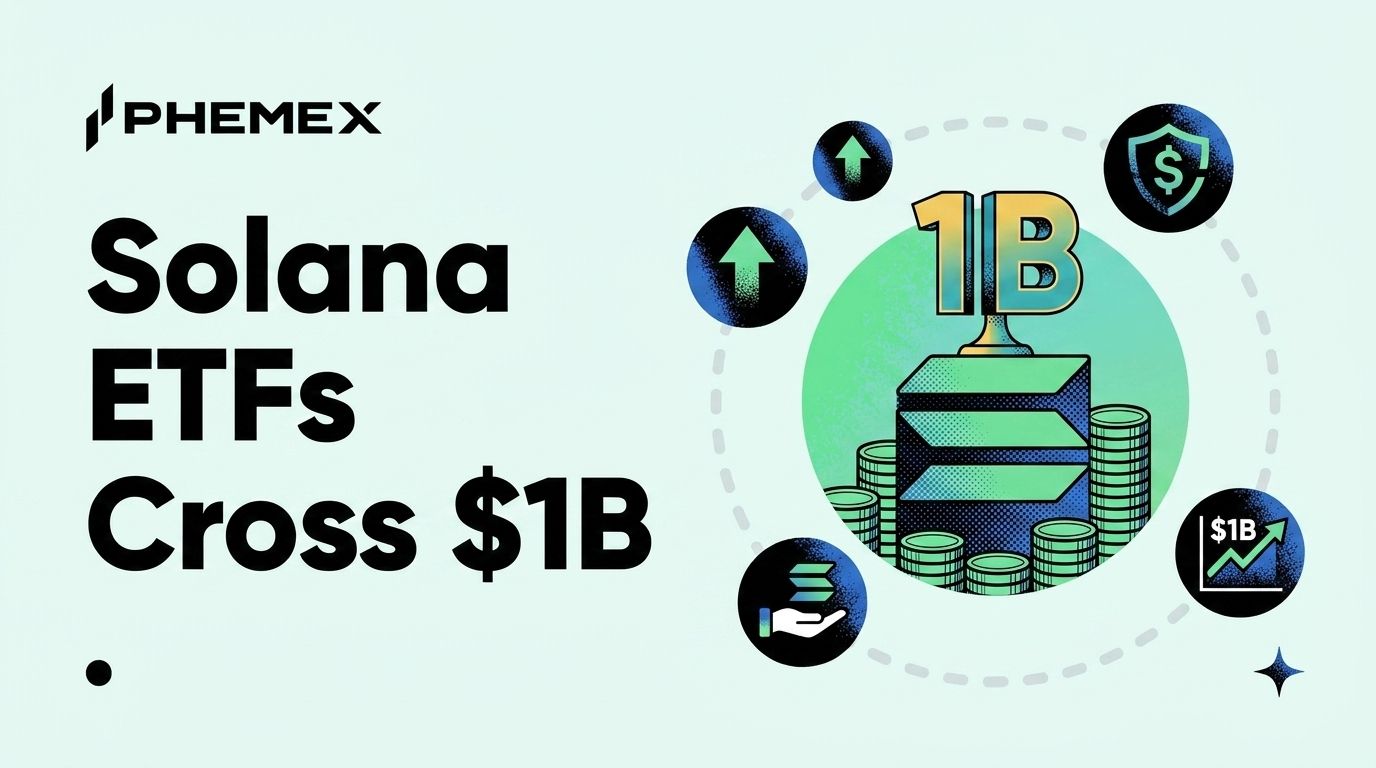
Bitwise’s Solana ETF (BSOL) has captured significant market share, reportedly holding 81% of Solana ETF flows by mid-2026. This dominance highlights investor preference for Bitwise’s active management and operational efficiency. The fund’s rapid growth underscores the institutional appetite for regulated Solana exposure, offering a streamlined, compliant entry point for capital seeking to participate in the network’s expanding ecosystem. -

21Shares Cardano ETF
21Shares’ Cardano ETF provides a regulated conduit for exposure to Cardano’s proof-of-stake consensus and academic research-driven development. As the SEC expands its approval landscape, this fund offers institutional investors a compliant way to engage with Cardano’s smart contract capabilities. It represents a strategic diversification tool within regulated crypto portfolios, balancing risk across distinct blockchain architectures.

Spot Bitcoin ETFs remain the core holding
Spot Bitcoin exchange-traded funds have evolved from experimental products into the foundational layer of institutional crypto exposure. For 2026 portfolios, these regulated securities offer a critical bridge between traditional finance and digital assets, providing the liquidity and accounting clarity that previously hindered broad adoption. Unlike direct custody of private keys, ETFs allow pension funds, endowments, and wealth managers to gain Bitcoin exposure through existing brokerage accounts, bypassing the operational friction and regulatory uncertainty that defined earlier market phases.
The regulatory framework surrounding these funds has solidified, with major issuers like BlackRock (IBIT) and Fidelity (FBTC) navigating the SEC’s scrutiny to establish standardized custody and reporting protocols. This institutional backing has transformed Bitcoin from a speculative retail asset into a recognized macroeconomic hedge. The completion of these structural battles has removed the primary barriers to entry for traditional capital, allowing spot ETFs to serve as the primary vehicle for crypto-backed security allocation.
While volatility remains inherent to the underlying asset, the ETF structure provides a layer of insulation through daily NAV reporting and segregated custodial arrangements. This clarity is essential for portfolio construction, enabling risk managers to model exposure with greater precision. As liquidity deepens and corporate accounting rules continue to adapt, spot Bitcoin ETFs are positioned to remain the anchor of any diversified crypto securities strategy in 2026.
Ethereum ETFs expand altcoin access
While Bitcoin ETFs established the initial regulated gateway for institutional capital, Ethereum Exchange-Traded Funds have shifted the focus toward broader altcoin exposure. This transition marks a structural change in how high-stakes finance approaches digital assets. Rather than treating crypto solely as a store of value, institutions are now using Ethereum’s ecosystem as a proxy for the wider altcoin market. The regulatory clarity provided by these products allows large-scale investors to gain indirect exposure to altcoins without navigating the fragmented and often unregulated spot markets directly.
The mechanism relies on Ethereum’s dominance as the settlement layer for decentralized finance. By holding Ethereum, investors effectively hold a basket of the protocols and tokens built on top of it. This creates a regulated pathway for altcoin access that aligns with strict compliance requirements. Major providers like BlackRock (IBIT) and Fidelity (FBTC) have paved the way, but the emerging Ethereum-focused products offer a more diversified entry point into the altcoin sector. This approach reduces the operational risk associated with private key management and custodial security, which remains a significant barrier for traditional asset managers.
Looking ahead to 2026, the expansion of Ethereum ETFs is expected to accelerate the tokenization of real-world assets. The convergence of stablecoin growth and regulatory frameworks is creating a more mature market structure. This environment favors products that offer transparency and auditability. The shift from pure speculation to regulated exposure signals that altcoins are being integrated into traditional portfolios not as novelty assets, but as functional components of a diversified digital strategy.
The distinction between Bitcoin and Ethereum ETFs is critical for portfolio construction. Bitcoin offers a hedge against inflation and currency debasement, while Ethereum ETFs provide exposure to the utility and innovation of the blockchain economy. For institutions seeking to allocate capital to the altcoin space, these funds offer a compliant and efficient vehicle. As regulatory frameworks solidify, the demand for such regulated products is likely to outpace the speculative trading volumes seen in earlier cycles.


As an Amazon Associate, we may earn from qualifying purchases.
Blockchain Infrastructure Equities
Blockchain infrastructure equities offer high-beta exposure to crypto trends without direct asset ownership. These publicly traded companies build the essential rails—mining operations, cloud computing, and specialized hardware—that support network security and transaction processing. As institutional adoption accelerates, demand for this underlying capacity is expected to scale, making infrastructure stocks a critical component of a diversified crypto portfolio.
Bitcoin mining firms, such as Marathon Digital Holdings and Riot Platforms, convert electricity into secured network hash rate. Their revenue is directly tied to the Bitcoin price and the difficulty adjustment cycle. While volatile, these companies provide leveraged exposure to Bitcoin’s long-term appreciation. The sector is consolidating, with larger players benefiting from economies of scale in energy procurement and hardware deployment.
Cloud and hardware providers like Coinbase Global and MicroStrategy represent different facets of infrastructure. Coinbase generates revenue from transaction fees and custody services, benefiting from increased trading volumes and institutional custody demand. MicroStrategy, while often classified as a treasury play, holds significant Bitcoin assets on its balance sheet, effectively acting as a leveraged Bitcoin proxy. Both companies are publicly traded and regulated, offering a familiar entry point for institutional investors.
The 2026 outlook suggests continued institutional capital inflow, driven by regulatory clarity and the growth of stablecoins and tokenized real-world assets (RWAs). This institutional demand will likely increase the need for robust, compliant infrastructure. Companies that can demonstrate operational efficiency, regulatory compliance, and scalable technology will be best positioned to capture this growth.
| Company | Market Cap (Est.) | Revenue Growth | Crypto Exposure % |
|---|---|---|---|
| Marathon Digital | $3.5B | 15% | 95% |
| Coinbase Global | $45B | 25% | 100% |
| MicroStrategy | $50B | 5% | 80% |
Real-world asset tokenization funds
Real-world asset (RWA) tokenization represents the securitization of traditional holdings on the blockchain, creating a new class of regulated investment vehicles. By placing tangible assets like treasury bills or real estate on-chain, these funds bridge the gap between legacy finance and digital markets. This structural shift allows for greater liquidity and fractional ownership while maintaining the compliance standards required by institutional capital.
The 2026 outlook for digital assets highlights RWA tokenization as a primary vector for institutional adoption. As regulatory frameworks clarify, these funds are moving from experimental pilots to core portfolio allocations. The trend is driven by the need for efficient settlement and transparent asset backing, offering a more robust alternative to traditional custodial models.
Investors should look for products that demonstrate clear regulatory compliance and transparent on-chain auditing. The following ETFs and tokenized funds represent the leading edge of this sector, offering exposure to securitized real-world assets with varying risk profiles.
How to buy regulated crypto securities
Investing in regulated digital assets in 2026 requires using established brokerage platforms that have integrated crypto trading capabilities. Unlike purchasing unregulated tokens on decentralized exchanges, regulated securities are traded through traditional financial intermediaries that comply with federal oversight. This approach ensures that your holdings are subject to the same investor protections and reporting standards as conventional equities.
To access these assets, open an account with a major broker that supports digital asset trading. Most leading platforms now offer spot Bitcoin ETFs, such as IBIT or FBTC, alongside regulated crypto stocks. These instruments provide direct exposure to the underlying technology without the operational risks of managing private keys or navigating unregulated exchanges.
Always verify that the platform is registered with the SEC and FINRA. The regulatory landscape in 2026 emphasizes clear jurisdiction and permissible trading structures, making compliance a non-negotiable requirement for institutional-grade participation. By sticking to regulated venues, you mitigate counterparty risk and ensure your investments are transparent and auditable.


As an Amazon Associate, we may earn from qualifying purchases.
Common questions about crypto securities
As regulatory frameworks solidify in 2026, institutional investors require clarity on the structural and tax implications of regulated crypto products. The following addresses frequent inquiries regarding the safety, taxation, and accessibility of these assets.
Are regulated crypto ETFs safe?
Regulated exchange-traded funds (ETFs) operate under strict SEC oversight, offering a layer of protection absent in direct cryptocurrency holdings. Unlike unregulated exchanges, these funds require custodial segregation and regular audits. However, "safe" does not mean risk-free; investors remain exposed to underlying asset volatility and market liquidity shifts, as noted in the Conference Board’s 2026 digital asset outlook.
How are crypto securities taxed?
The IRS classifies most crypto securities as property. This means every trade, swap, or redemption triggers a taxable event. Capital gains rates apply based on holding periods: short-term for assets held under one year, and long-term for those held longer. Unlike traditional equities, there are no special preferential rates for crypto itself, making tax-loss harvesting strategies particularly relevant for portfolio management in 2026.
Can I buy crypto securities in a 401(k)?
While some 401(k) plans have begun offering self-directed options for digital assets, widespread adoption remains limited. Most traditional employer-sponsored plans still exclude crypto due to fiduciary concerns and volatility. Investors interested in including regulated crypto securities in retirement accounts should consult their plan administrator or consider a self-directed IRA, which offers greater flexibility for alternative assets.
No comments yet. Be the first to share your thoughts!