

5 Crypto Stocks to Watch in 2026: AI, Regulation, and Growth
As regulatory frameworks solidify and AI integration accelerates, selecting the right crypto-adjacent equities requires rigorous due diligence on firms like Coinbase and Fidelity. This list identifies five high-stakes stocks poised for 2026 growth, emphasizing official market data and clear risk disclosures over speculative trends.
-

Robinhood Markets retail access and AI tools
Robinhood Markets (HOOD) leverages its massive retail user base to integrate AI-driven trading assistants, lowering barriers for novice investors. The platform’s recent updates aim to streamline complex crypto and stock transactions, potentially driving higher engagement and fee revenue. While regulatory scrutiny remains a persistent headwind, the company’s focus on user experience positions it to capture growing retail interest in digital assets during the 2026 market cycle. -
Coinbase Global exchange dominance and custody
Coinbase Global (COIN) maintains its stronghold as the primary regulated gateway for institutional crypto adoption. Its robust custody solutions and expanding ETF partnerships provide a stable revenue stream distinct from volatile trading fees. As regulatory clarity improves in 2026, Coinbase’s compliance-first infrastructure positions it as the preferred partner for traditional finance firms entering the digital asset space, ensuring sustained growth. -

SoFi Technologies digital asset lending growth
SoFi Technologies (SOFI) is diversifying beyond traditional banking by integrating digital asset lending into its financial ecosystem. This strategic move allows the company to tap into high-yield crypto lending opportunities while leveraging its existing customer base. By combining fintech agility with banking stability, SoFi aims to capture market share in the growing niche of regulated crypto-adjacent financial products, offering investors a unique hybrid exposure. -
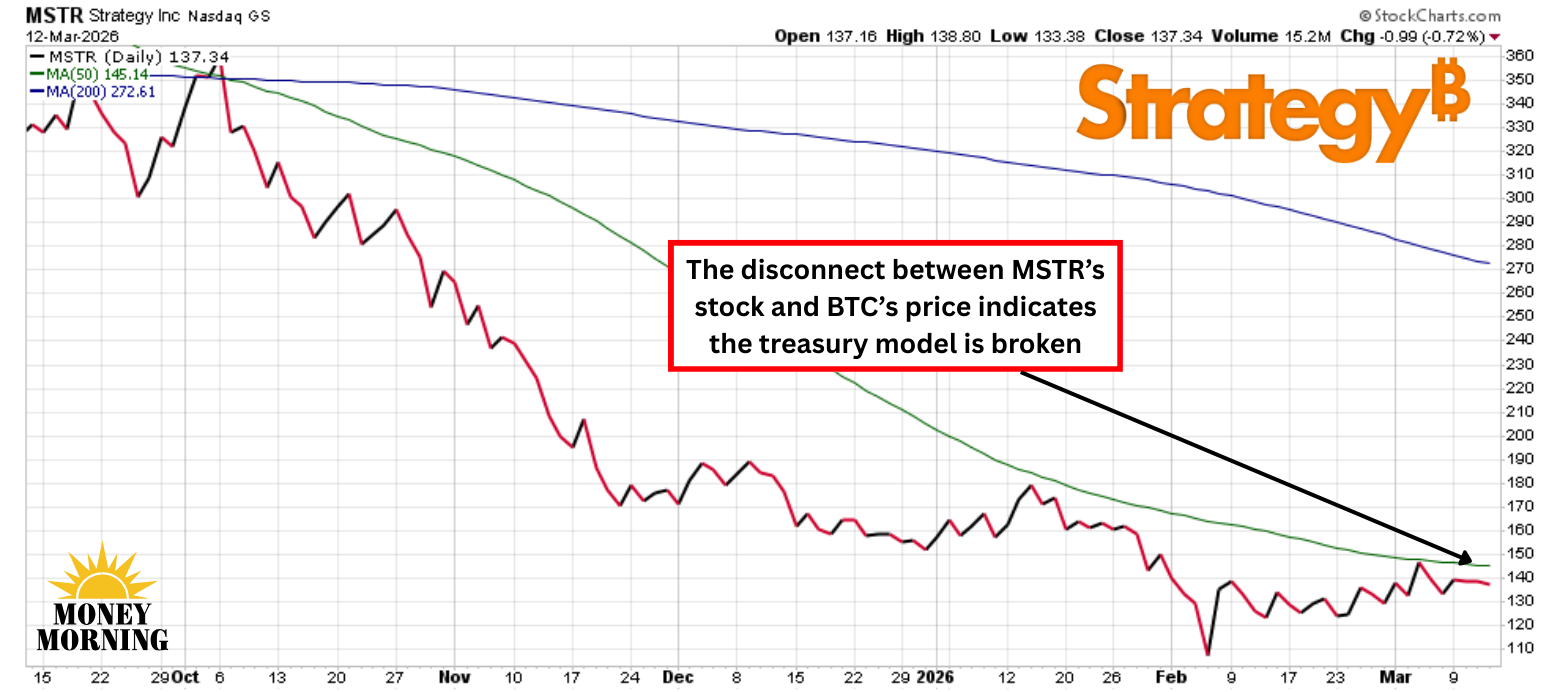
MicroStrategy Bitcoin treasury strategy
MicroStrategy (MSTR) continues its aggressive Bitcoin accumulation strategy, treating the cryptocurrency as its primary treasury reserve asset. This high-conviction approach ties the company’s stock performance closely to Bitcoin’s price action, offering leveraged exposure to digital asset appreciation. While this strategy amplifies volatility, it also provides a unique vehicle for investors seeking direct, corporate-backed Bitcoin exposure without managing private keys. -

Marathon Digital Holdings mining efficiency
Marathon Digital Holdings (MARA) focuses on scaling its Bitcoin mining operations with an emphasis on energy efficiency and hash rate growth. By upgrading hardware and securing favorable energy contracts, the company aims to maintain profitability even during periods of high network difficulty. Marathon’s operational improvements position it as a key beneficiary of Bitcoin’s long-term adoption, provided it can manage the cyclical nature of mining rewards.

Why crypto stocks differ from direct holdings
Public equities tied to digital assets operate differently than holding Bitcoin or Ethereum in a wallet. When you buy shares in companies like Coinbase or MicroStrategy, you are trading exposure to the underlying asset for the structure of a regulated market. This distinction matters because these stocks often carry higher volatility and different risk profiles than the tokens they track.
The 2026 landscape is defined by two converging forces: regulatory maturation and artificial intelligence integration. Fidelity notes that the stablecoin market cap has grown significantly, reaching approximately $315 billion by March 2026, signaling deeper institutional liquidity [src-serp-4]. Simultaneously, Coinbase’s 2026 outlook highlights how regulatory clarity is unlocking new avenues for traditional finance participation [src-serp-3].
This dual driver creates a unique environment. Regulatory progress reduces legal uncertainty, while AI integration offers new utility for blockchain infrastructure. Investors are no longer just betting on price appreciation; they are betting on the operational success of companies managing these complex shifts. Understanding this context is critical before evaluating specific stock candidates.
Compare top crypto equities by revenue and risk
Choosing between Coinbase, Robinhood, MicroStrategy, SoFi, and Marathon Digital requires weighing different exposure to the crypto cycle. These five stocks offer distinct pathways to digital asset growth, ranging from direct exchange volume to corporate treasury holdings and fintech infrastructure.
The table below outlines the primary revenue driver and volatility profile for each company. Use this comparison to align your portfolio with your specific risk tolerance and market outlook.
| Ticker | Primary Revenue Driver | Risk Profile |
|---|---|---|
| COIN | Transaction fees and subscription services | High |
| HOOD | Order flow payment and margin lending | Medium-High |
| MSTR | Software licensing and Bitcoin holdings | Very High |
| SOFI | Financial services and technology platform | Medium |
| MARA | Bitcoin mining and energy management | Very High |
For investors seeking to build a physical collection of crypto assets or educational materials to accompany their digital investments, consider these curated picks.


As an Amazon Associate, we may earn from qualifying purchases.
Market conditions shift rapidly. Use live widgets to monitor real-time pricing and technical trends for these equities.
Key risks in crypto stock investing
Investing in crypto equities requires managing a volatile landscape where regulatory shifts can instantly alter a company's valuation. Unlike traditional tech stocks, these companies are heavily exposed to the cyclical nature of digital asset markets. A downturn in Bitcoin or Ethereum prices often drags down the revenue of mining firms and exchanges alike, creating a high correlation that amplifies losses during bear markets.
Regulatory uncertainty remains the most significant headwind. Recent actions by the SEC against major platforms like Coinbase highlight the potential for legal battles that can drain resources and limit business operations. Fidelity notes that while the stablecoin market cap has grown to approximately $315 billion, the evolving compliance landscape means that even profitable firms face sudden operational hurdles if policies tighten unexpectedly.
Operational challenges further complicate the investment thesis. Crypto miners are particularly sensitive to energy costs and hardware depreciation, while exchanges must maintain robust security protocols to prevent hacks that could erode user trust overnight. Investors should monitor these specific operational metrics alongside broader market trends, as a single security breach or regulatory fine can disproportionately impact stock performance compared to more diversified tech peers.
Frequently asked questions about crypto stocks in 2026
Is Coinbase (COIN) a safe bet for AI integration? Coinbase remains a primary proxy for crypto exposure, but its valuation is heavily tied to trading volume and regulatory clarity rather than direct AI development. While the company explores AI-driven customer service and analytics, investors should view it as a regulated exchange play. The high-stakes nature of the market means volatility can spike regardless of technological upgrades, so position sizing is critical.
How does the stablecoin market cap affect stocks like Fidelity (FISV)? With the stablecoin market cap hitting approximately $315 billion by March 2026, financial infrastructure providers are seeing increased transaction flows. Fidelity’s broader financial services arm benefits from this growth through custody and settlement services. However, this growth is not guaranteed; regulatory shifts could instantly alter the utility of stablecoins, impacting the revenue streams of associated stock holdings.
Which stocks are best positioned for the 2026 Bitcoin rally? Analysts point to Coinbase, SoFi Technologies (SOFI), and MicroStrategy (MSTR) as key beneficiaries of Bitcoin ETF inflows and institutional adoption. These stocks offer different risk profiles: SoFi provides retail access, while MSTR offers leveraged corporate exposure. None are risk-free; the "crypto comeback" narrative depends on sustained macroeconomic conditions and continued institutional confidence in digital assets.
No comments yet. Be the first to share your thoughts!