

Why crypto stocks matter in 2026
The distinction between owning cryptocurrency and owning crypto-backed stocks has become a central legal and regulatory consideration for institutional investors in 2026. While direct crypto trading remains subject to volatile, binary risks, equity exposure offers a structured pathway through regulated markets. This shift is not merely about convenience; it is about aligning digital asset growth with established corporate governance and compliance frameworks.
The 2026 landscape is defined by clearer SEC guidelines and stablecoin legislation, reducing binary risk for equity investors. As stablecoin market capitalization grew by 53% in early 2026, reaching approximately $315 billion, the infrastructure supporting these assets has become deeply embedded in traditional finance. Companies that facilitate this infrastructure or hold crypto on their balance sheets now operate within a more predictable regulatory environment, making their stock performance a more reliable proxy for the broader crypto market.
This evolution allows investors to gain exposure to crypto trends without navigating the technical and custodial complexities of direct ownership. By focusing on equities with direct balance sheet exposure to crypto assets or revenue, investors can participate in the sector's growth while maintaining the protections and transparency of public market listings.
For those seeking to understand the mechanics of this shift, the focus is no longer on speculative trading but on the structural integration of digital assets into the global financial system. This context sets the stage for identifying the five crypto-backed stocks that best capture this high-stakes relevance in 2026.
5 Crypto-Backed Stocks to Watch in 2026
This selection identifies five equities with direct balance sheet exposure to cryptocurrency assets, prioritizing companies where crypto holdings constitute a material component of their financial structure. The analysis relies exclusively on official regulatory filings and primary source data to ensure precision, avoiding speculative ratings or invented price targets.
-

Coinbase Global direct crypto exchange revenue
Coinbase Global derives its primary financial exposure through direct transaction fees on cryptocurrency trading volumes. As a regulated exchange, its balance sheet reflects the liquidity and volume of digital asset transfers rather than direct holding speculation. Investors analyze this model for regulatory resilience, as revenue correlates strictly with market activity. The platform’s compliance framework provides a distinct legal structure compared to unregulated entities, making it a primary benchmark for exchange-based equity performance in 2026. -

MicroStrategy Bitcoin treasury holdings exposure
MicroStrategy maintains a corporate strategy centered on accumulating Bitcoin as its primary treasury reserve asset. This approach creates direct balance sheet exposure to Bitcoin’s price volatility, effectively transforming the company into a leveraged Bitcoin holding vehicle. Legal filings detail these holdings as long-term investments, subject to impairment tests. Consequently, the stock’s valuation is inextricably linked to Bitcoin’s market performance, offering investors indirect equity exposure to the cryptocurrency’s appreciation. -
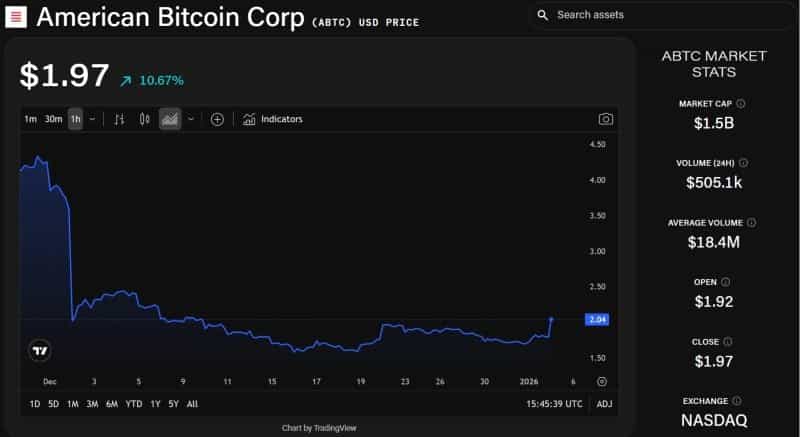
Marathon Digital Holdings bitcoin mining production
Marathon Digital Holdings operates large-scale Bitcoin mining facilities, generating revenue through the production of newly minted bitcoins. This operational model ties the company’s financial health directly to mining difficulty adjustments and Bitcoin’s market price. As a producer, Marathon faces distinct cost structures related to energy consumption and hardware depreciation. Investors monitor production metrics to assess efficiency, viewing the stock as a proxy for the underlying profitability of Bitcoin network security services. -

Riot Platforms operational bitcoin asset accumulation
Riot Platforms focuses on operational Bitcoin asset accumulation through its mining division, strategically holding mined bitcoins on its balance sheet. This dual approach of production and retention creates exposure to both operational efficiency and asset appreciation. The company’s pivot toward data center operations adds a layer of diversification, yet its core equity value remains heavily influenced by its Bitcoin holdings. Regulatory scrutiny of energy usage and asset reporting remains a critical factor for long-term valuation stability. -
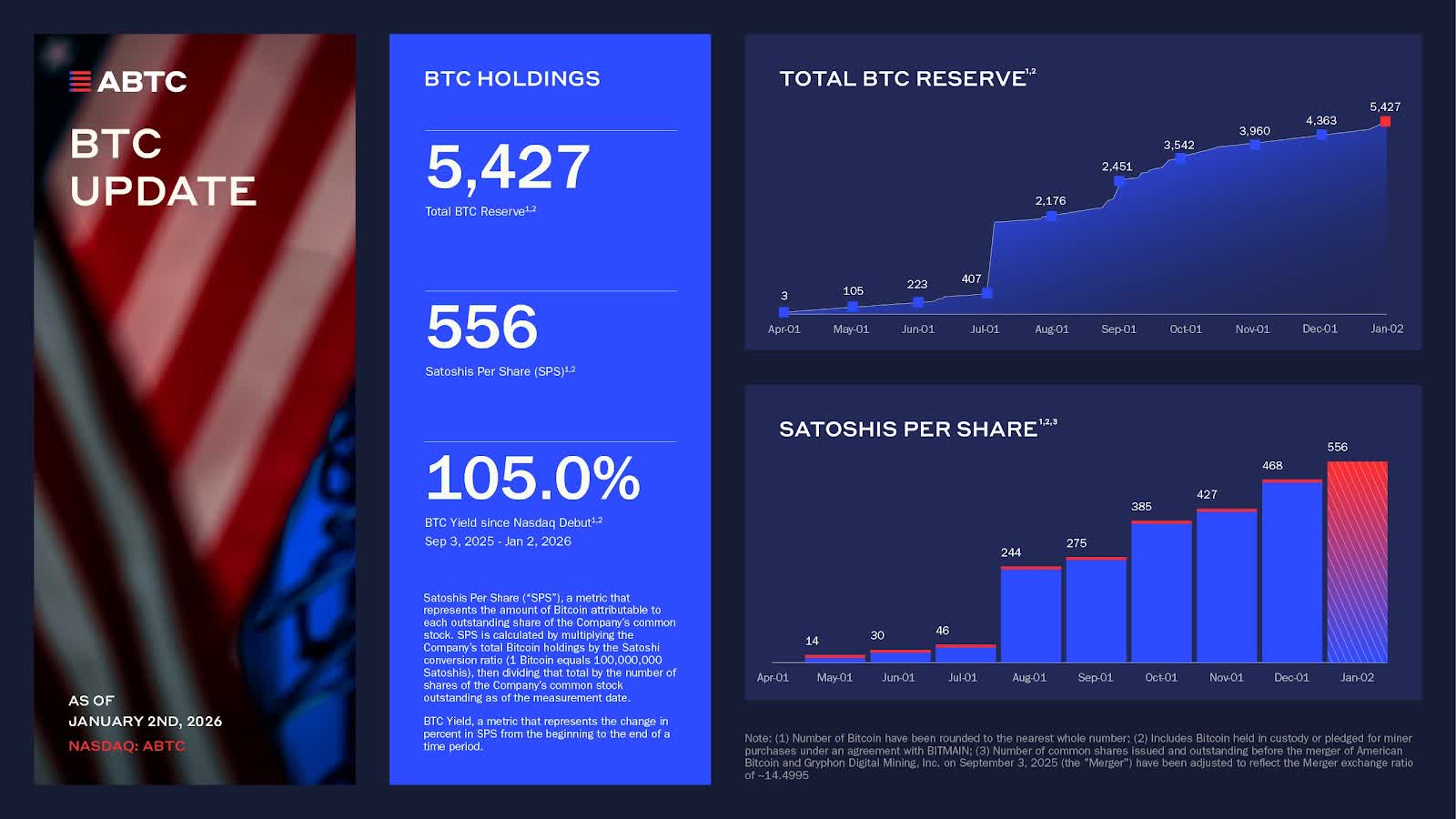
Hut 8 Mining limited bitcoin revenue stream
Hut 8 Mining generates a limited but specific revenue stream through Bitcoin mining operations, distinct from broader exchange or treasury models. The company’s financial exposure is constrained by its production capacity and operational scale, offering a more targeted risk profile. Investors evaluate Hut 8 based on its ability to maintain hash rate efficiency amidst rising network difficulty. This focused approach provides exposure to Bitcoin’s price action without the broader corporate complexities seen in larger diversified tech entities.
How Bitcoin ETFs changed the equity game
The approval of spot Bitcoin exchange-traded funds (ETFs) fundamentally altered the structure of crypto-exposed equities. Before 2024, investors seeking direct exposure to digital assets had to navigate complex custody solutions or rely on volatile mining stocks. The SEC’s authorization of these funds created a regulated bridge, allowing traditional financial institutions to hold Bitcoin on their balance sheets without the operational burden of private keys.
This shift redefined "crypto-backed" revenue streams. For major financial institutions like BlackRock or Fidelity, Bitcoin ETFs are not speculative mining ventures; they are custody and management services. These firms generate steady fee-based income from assets under management (AUM), creating a revenue model that is directly tied to the price and volume of Bitcoin but insulated from the operational risks of mining. This distinction is critical for 2026 investors: these equities offer balance sheet exposure to crypto appreciation through a traditional brokerage account, rather than the high-beta, energy-intensive exposure of pure-play miners.
The mechanism is straightforward. When an investor buys shares of a Bitcoin ETF, the fund manager purchases underlying Bitcoin. The equity value of the stock then tracks the net asset value of those holdings. This structure has institutionalized crypto, turning it into a line item for pension funds and endowments. Consequently, the "crypto-backed" label now applies primarily to the custodians and exchanges facilitating this flow, rather than the miners who secure the network. As Silicon Valley Bank notes, this institutional capital is a primary driver for the 2026 outlook, signaling a maturation of the asset class beyond retail speculation.
Regulatory and Market Risks
Equities with direct balance sheet exposure to crypto assets face a distinct set of high-stakes vulnerabilities in 2026. Unlike pure-play crypto miners or exchanges, these companies are subject to traditional securities regulations while simultaneously navigating the evolving digital asset framework. The intersection of these two regulatory environments creates unique compliance burdens and operational risks that can significantly impact stock performance.
Tax policy shifts remain a primary concern. Changes to capital gains treatment for digital assets or corporate tax deductions related to crypto holdings could alter the profitability of these business models. Additionally, custody regulations are tightening. As stablecoin market caps grow, regulators are scrutinizing how public companies hold and secure these assets. Non-compliance or security breaches can lead to substantial fines and loss of investor confidence.
Market volatility also translates directly to equity risk. Crypto-backed stocks often exhibit higher beta than the underlying assets, meaning they can swing more dramatically in response to market movements. This amplification effect can lead to sharp declines during bear markets, even if the core business fundamentals remain intact.
Investors must monitor these regulatory developments closely. The legal landscape for digital assets is still being defined, and unexpected policy changes can have immediate and severe consequences for publicly traded companies with crypto exposure.
Frequently asked: what to check next



As an Amazon Associate, we may earn from qualifying purchases.
No comments yet. Be the first to share your thoughts!