

Why crypto stocks matter in 2026
The landscape for crypto stocks in 2026 is defined by a convergence of regulatory clarity and institutional adoption. Following the fourth Bitcoin halving, the supply shock has stabilized the asset class, prompting major financial players to integrate digital assets directly into their core operations. This shift transforms crypto from a speculative novelty into a foundational component of modern portfolio management.
Corporate treasury strategies have evolved significantly. Companies like MicroStrategy (MSTR) continue to utilize Bitcoin as a primary reserve asset, while Coinbase (COIN) has expanded its infrastructure to support institutional custody and trading. These firms benefit from increased transaction volumes and the broader acceptance of crypto-related services by traditional banks.
A critical driver of this growth is the expansion of the stablecoin market. As of March 2026, the total stablecoin market cap reached approximately $315 billion, marking a 53% increase from early 2025. This surge indicates robust demand for digital dollars in payments and settlements, directly boosting revenue for exchanges and payment processors.
Regulatory frameworks in the United States and Europe have provided the certainty needed for long-term capital allocation. With clear guidelines on custody, taxation, and trading, large-scale investors are moving from pilot programs to permanent allocations. This environment favors established players with compliant infrastructure over unregulated entities.
5 Best Crypto Stocks to Buy in 2026: Post-Halving Picks
Selecting crypto stocks in 2026 requires precision, especially when weighing the distinct risk profiles of leaders like MSTR and COIN against broader market uncertainties. This selection prioritizes established entities with clear exposure to digital asset cycles, avoiding speculative noise.
1. MicroStrategy leveraged Bitcoin exposure
MicroStrategy remains the definitive leveraged bet on digital assets, transforming its balance sheet into a massive Bitcoin treasury. This strategy offers investors direct correlation to crypto prices without the hassle of self-custody. As post-halving dynamics shift market sentiment, MSTR provides a liquid, regulated equity vehicle for those seeking amplified exposure to blockchain technology's long-term value proposition.
2. Coinbase regulated exchange leader
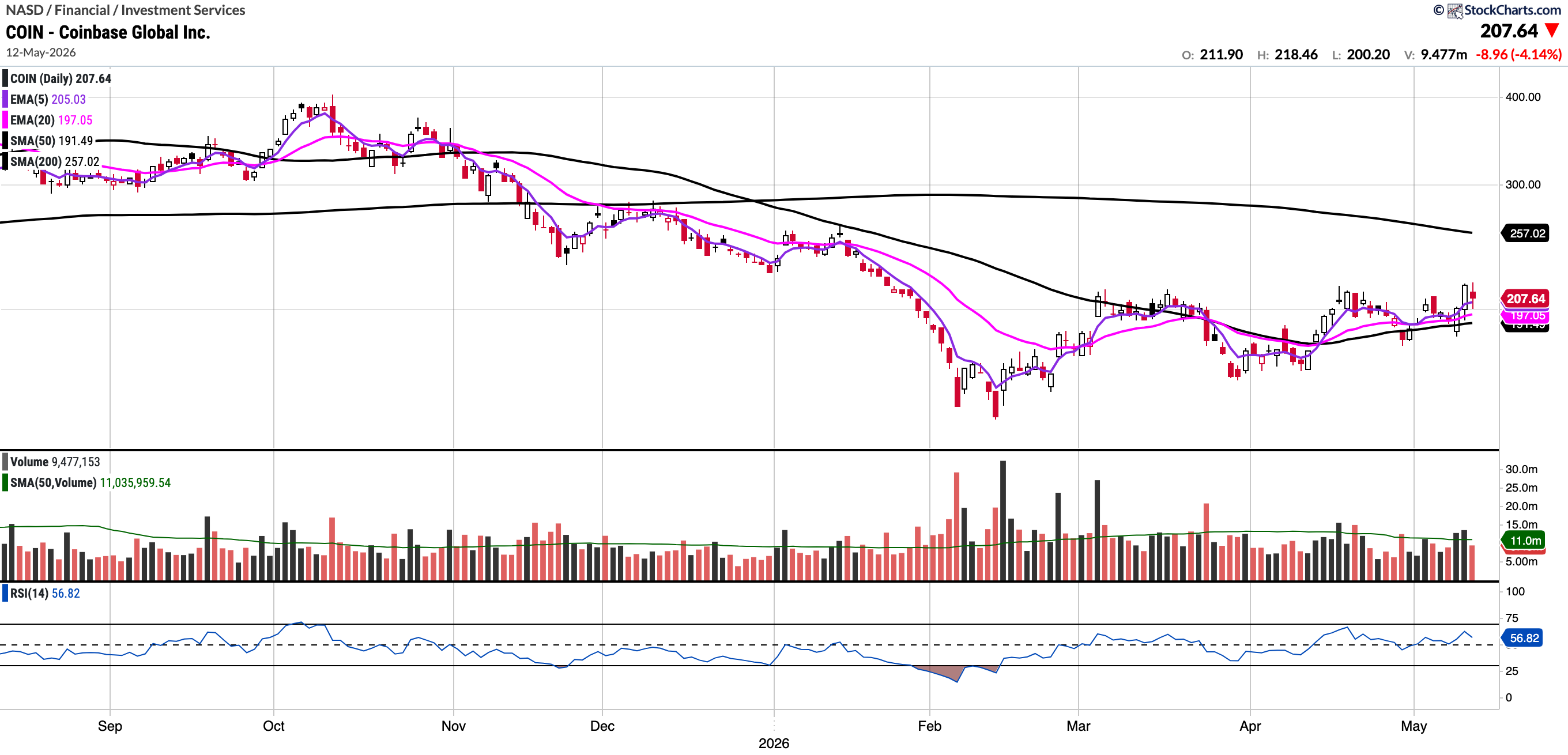
Coinbase stands as the premier regulated gateway for institutional and retail crypto trading in the United States. Its robust compliance framework and public listing offer stability often lacking in decentralized alternatives. For 2026 investors, COIN represents a foundational play on the growing adoption of digital assets, benefiting directly from increased trading volumes and the expansion of its custody services.
3. Robinhood retail crypto access
Robinhood democratizes access to digital assets, capturing the massive retail investor demographic with its intuitive mobile platform. By integrating crypto trading seamlessly into its existing brokerage interface, HOOD lowers the barrier to entry for everyday users. This accessibility positions the company to benefit significantly from the next wave of retail participation in the crypto markets during 2026.

4. Circle stablecoin infrastructure play
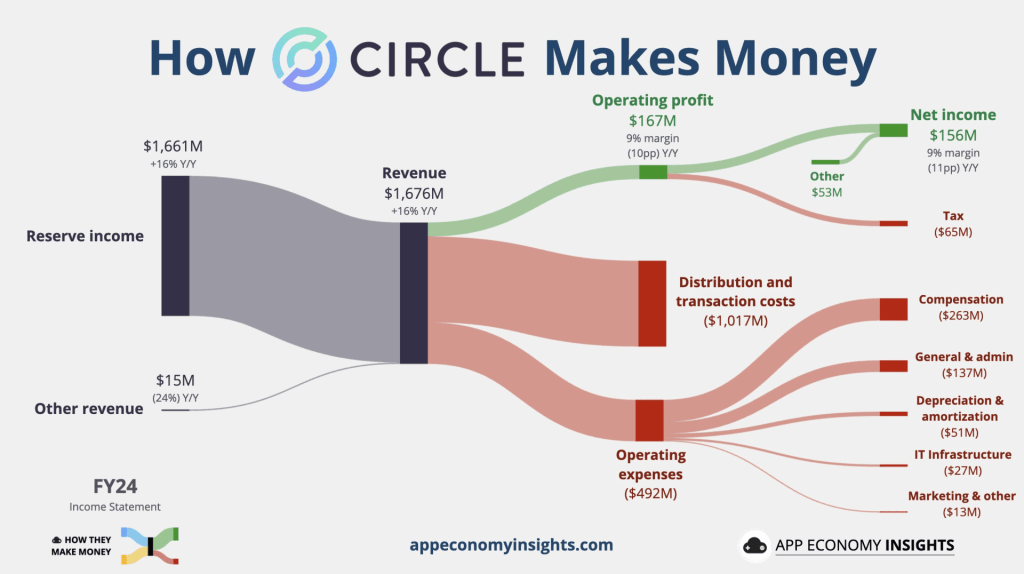
Circle provides critical infrastructure for the digital economy through its USDC stablecoin, bridging traditional finance and blockchain networks. As regulatory clarity improves, Circle’s compliant approach positions it as a key player in the growing stablecoin market. Investing in CRCL offers exposure to the foundational settlement layer that facilitates trillions in digital transactions, making it a unique infrastructure play for 2026.
5. Marathon Digital mining operations
Marathon Digital (MARA) operates as a high-beta pure-play on Bitcoin mining, leveraging economies of scale to maintain profitability during post-halving difficulty adjustments. Unlike treasury-focused firms, MARA’s revenue is directly tied to hash rate output and energy efficiency. For investors seeking direct operational exposure to Bitcoin production, MARA offers a distinct risk-reward profile compared to software or exchange-based models.

Compare risk profiles and revenue sources
Choosing the right crypto stocks for 2026 requires looking past the headline price. You are not just buying exposure to Bitcoin; you are buying a specific business model with distinct risk factors. Some companies act as leveraged proxies for the asset, while others generate revenue from transaction fees or mining operations. Understanding this distinction is essential for managing volatility in a post-halving market.
The table below breaks down five prominent picks. We evaluate them based on their primary revenue stream, their sensitivity to Bitcoin's price action, and their overall risk profile. This comparison helps you decide whether you want direct asset correlation or diversified crypto-adjacent exposure.
| Ticker | Company | Primary Revenue | BTC Correlation | Risk Profile |
|---|---|---|---|---|
| MSTR | MicroStrategy | Software & Bitcoin Holdings | Very High | High |
| COIN | Coinbase | Transaction Fees & Staking | High | Medium-High |
| HOOD | Robinhood | Trading Commissions & Interest | Medium | Medium |
| CRCL | Circle | Stablecoin Interest & Services | Low | Medium |
| MARA | Marathon Digital | Bitcoin Mining | Very High | Very High |
MicroStrategy (MSTR) and Marathon Digital (MARA) offer the highest correlation to Bitcoin. If BTC rallies, these stocks often outperform, but they also crash harder during downturns. Coinbase (COIN) and Robinhood (HOOD) provide a middle ground, benefiting from increased trading volume regardless of whether the price is rising or falling. Circle (CRCL), with its stablecoin operations, offers the lowest direct correlation to Bitcoin's volatility, relying instead on interest rates and user adoption.
Where to buy crypto stocks safely
Buying high-volatility equities like MicroStrategy (MSTR) or Coinbase (COIN) requires a brokerage that prioritizes security and low fees. You need a platform that can handle the erratic trading volumes typical of crypto-related stocks in 2026 without freezing your account during peak volatility.
Choose a regulated, well-capitalized broker to protect your capital. Look for platforms with SIPC insurance, robust 2FA, and transparent fee structures. Avoid obscure offshore brokers that lack clear regulatory oversight.


As an Amazon Associate, we may earn from qualifying purchases.
Frequently asked questions about crypto stocks 2026
Are crypto stocks a safe investment in 2026? Investing in crypto stocks like Coinbase (COIN) or MicroStrategy (MSTR) carries high volatility. These equities often amplify Bitcoin’s price swings, meaning you can experience significant gains or losses. Treat them as high-risk positions within a diversified portfolio, not as stable savings vehicles.
How do crypto stocks perform after a halving? Historically, the 12–18 months following a Bitcoin halving have seen upward momentum for crypto-related equities. However, past performance does not guarantee future results. In 2026, regulatory clarity and institutional adoption will likely play larger roles than halving mechanics alone.
Should I buy crypto stocks or Bitcoin directly? Buying stocks offers leverage to crypto prices without managing private keys, but it introduces company-specific risks like management decisions or regulatory fines. Direct Bitcoin ownership eliminates counterparty risk but requires secure storage. Choose based on your comfort with operational complexity versus market exposure.
No comments yet. Be the first to share your thoughts!