

Fair Value Gaps (FVGs) have emerged as a crucial tool for traders seeking precision in their crypto stock entries, especially as the 2025 market landscape grows more competitive and data-driven. By understanding how to spot and trade these price imbalances, you can align your entries with institutional flows and enhance your edge in both trending and range-bound conditions.
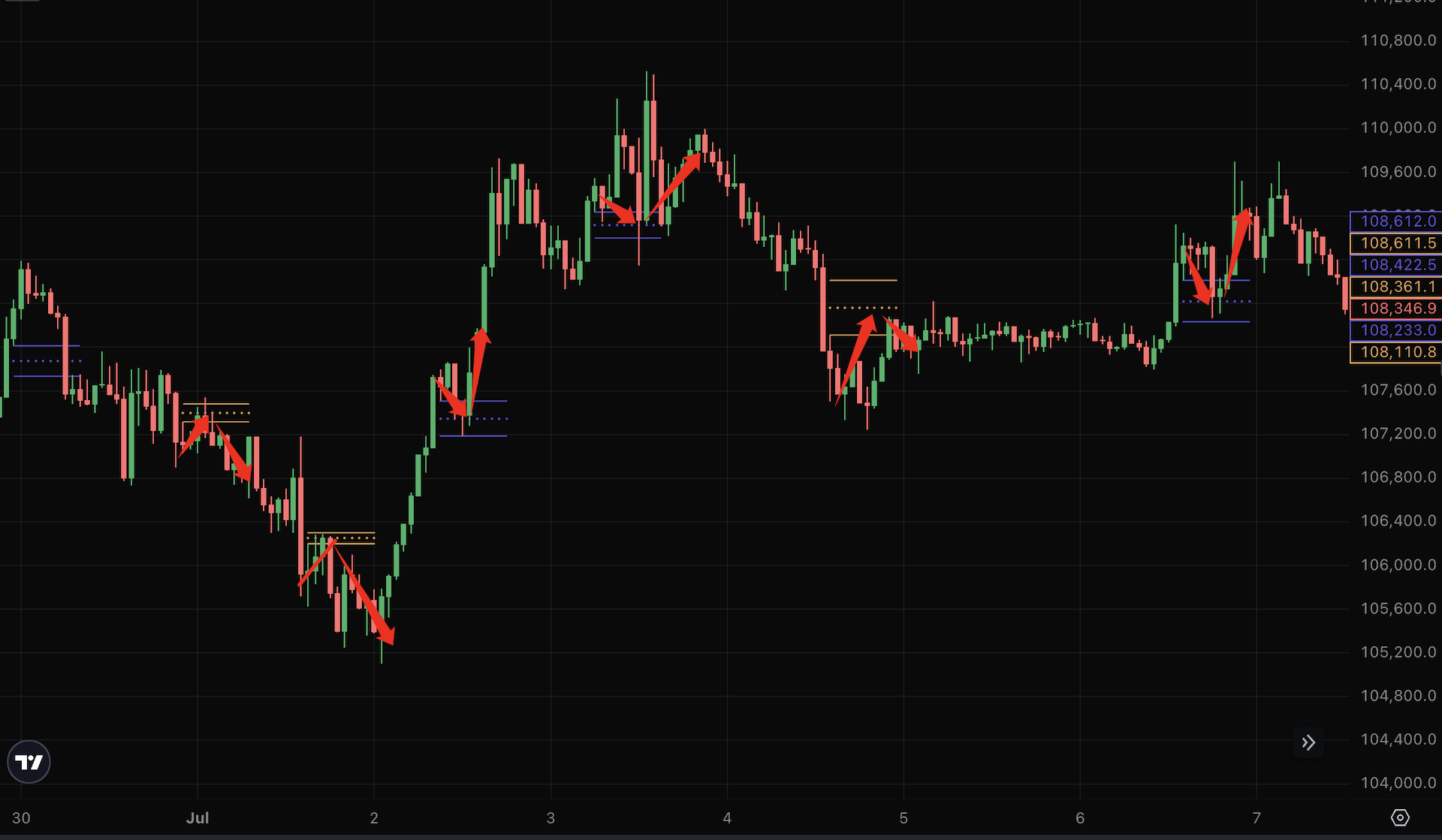
What exactly is an FVG? In essence, an FVG is a price void on the chart that results from rapid market movement. This gap is typically left behind when aggressive buying or selling activity - often institutional in nature - causes price to surge in one direction, skipping over levels where orders would normally fill. In crypto markets, these gaps are particularly common due to high volatility and fragmented liquidity.
Spotting Fair Value Gaps: The 3-Candle Method
The most widely used approach for identifying FVGs is the three-candlestick method:
- Momentum Candle: Look for a large candle with a strong directional move (bullish or bearish).
- Flanking Candles: On either side of this momentum candle, there should be smaller candles whose wicks do not overlap with the body of the momentum candle.
This configuration signals an area where liquidity was skipped - a classic sign that price may revisit this level to "fill" unexecuted orders. For example, during a bullish run, if you see a strong green candle flanked by smaller ones with non-overlapping wicks, you've likely found a bullish FVG. Conversely, the same setup in reverse identifies bearish FVGs.
Using FVGs for Precise Crypto Stock Entries
The primary advantage of trading with FVGs lies in timing your entries at optimal liquidity points. Here’s how smart traders put this into practice:
- Bullish FVG Entry: Wait for price to retrace into the lower boundary of a bullish FVG before entering long positions. This often coincides with increased buying interest from larger players.
- Bearish FVG Entry: Short opportunities arise when price revisits the upper boundary of a bearish FVG zone.
This approach allows you to trade "with the flow" of institutional money rather than against it, increasing your probability of success. For actionable strategy breakdowns and backtesting examples on this topic, see our guide on FVG day trading strategies.
Key Confirmation Tools: RSI and Volume Analysis
An isolated FVG signal isn’t enough; confirmation is critical. Integrate technical indicators such as:
- Relative Strength Index (RSI): Look for divergences at the boundaries of an FVG zone. For instance, if RSI prints higher lows while price revisits a bullish FVG, it adds conviction to your long entry.
- Volume Analysis: Rising volume as price enters an FVG suggests genuine participation from market makers or larger players - vital for validating breakout or reversal setups.
This multi-factor approach reduces false signals and helps filter out low-quality trades - essential in fast-moving crypto stocks where whipsaws are common.
Risk management is non-negotiable when trading Fair Value Gaps. Even the most promising FVG setups can fail, particularly in the volatile crypto stock environment. To protect your capital, always set stop-loss orders just beyond the FVG boundary. This tactic limits your downside if price breaks through the gap rather than respecting it.
Additionally, maintain a disciplined reward-to-risk ratio, aim for at least 2: 1 on every trade. For example, if you risk $100 on a position, ensure your potential gain is at least $200 before entering. Adjust your position size so that a single loss never exceeds 1% of your total trading capital. These guidelines will prevent emotional decision-making and help you stay resilient through inevitable drawdowns.
Advanced Tactics: Multiple Timeframes and Strategy Stacking
To further refine your precise crypto entry strategy for 2025, incorporate multiple timeframe analysis. FVGs identified on higher timeframes (such as daily or weekly charts) are more likely to attract institutional liquidity and produce significant price reactions. For instance, if you spot a bullish FVG on the daily chart and a corresponding setup on the 4H or 15-minute chart, this confluence amplifies the probability of a successful trade.
Stacking FVG analysis with other strategies, like Fibonacci retracements or moving average crossovers, can provide an extra layer of confirmation. This integrated approach helps you avoid overreliance on any single indicator and adapt to shifting market conditions. For deeper insights into combining FVGs with order blocks and liquidity concepts, explore our resource on FVG and Order Block strategies.
Common Pitfalls and How to Avoid Them
Many traders make the mistake of treating every visible FVG as a high-probability signal. Instead, filter setups by considering:
- Overall trend direction: Only take bullish FVG entries in uptrends or bearish entries in downtrends.
- Market context: Avoid trading FVGs during major news events or periods of low liquidity.
- Diversification: Don’t allocate too much capital to one asset or timeframe, even if multiple FVGs appear compelling.
If you’re new to this methodology, backtest your approach extensively before going live. Use demo accounts or small position sizes until you build confidence in identifying high-quality gaps and managing trades with discipline.
Real-World Example: Bitcoin’s Current Market Structure
The current Bitcoin landscape offers practical lessons in applying Fair Value Gap analysis. In recent months, sharp rallies have created multiple bullish and bearish FVG zones across both intraday (15 min) and swing (4H) charts. By marking these gaps and waiting for price retracements into them, while confirming with volume surges or RSI divergences, savvy traders have captured high-probability entries that align with prevailing momentum.
This approach isn’t just limited to Bitcoin; leading altcoins often display similar patterns as institutional flows rotate between sectors in search of liquidity imbalances. Staying alert to these opportunities can help you capitalize on short-term volatility while positioning for longer-term moves.
Key Takeaways for 2025
- Fair Value Gaps are essential tools for timing precise crypto stock entries amid volatility.
- Combine multi-timeframe analysis and confirmation indicators like RSI or volume for higher accuracy.
- Pursue strict risk management at all times, never risk more than 1% per trade.
- Avoid overtrading; not every gap warrants action.
If you’re ready to elevate your trading game with advanced techniques like Fair Value Gaps, continue exploring our comprehensive guides, including the latest strategic breakdowns for 2025. As always, blend data-driven discipline with an adaptive mindset, the hallmark of success in today’s fast-moving crypto markets.



No comments yet. Be the first to share your thoughts!