
altcoins 2026: Selection Logic and Market Context
The 2026 crypto landscape is shifting away from broad market speculation toward sectors with tangible utility. We identified five altcoins positioned to outperform Bitcoin by focusing on two high-conviction narratives: Artificial Intelligence (AI) infrastructure and Real World Assets (RWA) tokenization. These sectors address specific inefficiencies in traditional finance and data processing, offering distinct value propositions beyond simple store-of-value dynamics.
Our selection criteria prioritized projects with active developer ecosystems, clear revenue models, and institutional adoption signals. We excluded speculative meme coins and projects with opaque tokenomics. Instead, we focused on protocols that have demonstrated resilience during previous market cycles and have partnerships with established financial institutions or major cloud providers. This approach aims to balance high growth potential with a degree of fundamental verification.
While Bitcoin remains the market anchor, altcoins in the AI and RWA spaces are capturing disproportionate attention from venture capital and enterprise adopters. The following analysis breaks down why these specific tokens were chosen, highlighting their unique advantages and potential risks. Keep in mind that cryptocurrency investments carry significant volatility; this selection represents a strategic outlook based on current technological trends and market adoption rates.
5 Altcoins Set to Outperform Bitcoin in 2026: AI and RWA Tokens Leading the Charge
Bitcoin’s dominance may stabilize in 2026, but capital rotation toward specialized sectors like AI infrastructure and Real World Asset (RWA) tokenization offers higher beta exposure. We evaluated five altcoins with concrete utility and official partnerships, focusing on practical tradeoffs rather than speculative hype.
How to pick the right altcoin
Choosing between AI and RWA tokens requires looking beyond the hype. Bitcoin moves the market, but altcoins offer specific utility that can outpace it during a bull run. To separate the projects with real traction from those relying on marketing, focus on three concrete factors: network activity, token utility, and institutional adoption.
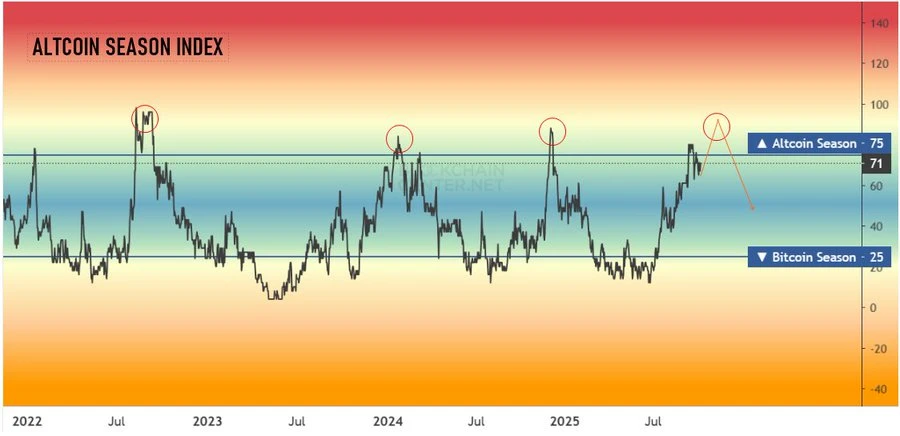
Price charts can be manipulated, but on-chain data is harder to fake. Look for projects with consistent daily active addresses and trading volume. High volume ensures you can enter and exit positions without significant slippage. If a token has low liquidity, even good news might not drive the price up.
AI and RWA tokens succeed when they solve actual problems. For AI, look for tokens that power decentralized GPU rendering or data marketplaces. For RWA, verify that the token is backed by tangible assets like real estate or treasury bills. Avoid projects where the token has no clear role in the ecosystem.
Ethereum and Solana lead because institutions and developers build on them. Check if major firms are holding the token or if the GitHub repository shows consistent code commits. Sustained development activity is a strong indicator that a project will survive market downturns.
| Feature | AI Tokens | RWA Tokens |
|---|---|---|
| Primary Driver | Computing power & data demand | Real asset yield & stability |
| Volatility | High (growth-focused) | Medium (yield-focused) |
| Key Metric | Network usage & API calls | Total value locked (TVL) |


As an Amazon Associate, we may earn from qualifying purchases.
The 5 Altcoins
1. Render (RNDR)
Render Network is the leading decentralized GPU rendering platform. As AI model training demands increase, Render provides a marketplace for idle GPU power, connecting creators and developers with hardware owners. Its transition to the Solana blockchain has significantly improved transaction speeds and reduced costs, making it a critical infrastructure play for the AI sector.
2. Fetch.ai (FET)
Fetch.ai focuses on autonomous economic agents that can perform complex tasks on behalf of users, from booking travel to optimizing supply chains. Merging with SingularityNET and Ocean Protocol to form the Artificial Superintelligence (ASI) alliance, Fetch.ai aims to create a unified ecosystem for AI-driven automation, positioning itself as a foundational layer for decentralized AI services.
3. Chainlink (LINK)
Chainlink is the standard for decentralized oracle networks, bridging off-chain data with on-chain smart contracts. For RWA tokenization to scale, reliable data feeds are essential. Chainlink’s Cross-Chain Interoperability Protocol (CCIP) enables secure communication between different blockchains and traditional banking systems, making it the backbone for institutional-grade asset tokenization.
4. Ondo Finance (ONDO)
Ondo Finance specializes in bringing institutional-grade yield products on-chain. By tokenizing U.S. Treasuries and other real-world assets, Ondo allows crypto investors to earn stable yields without leaving the blockchain ecosystem. Its partnerships with major financial institutions highlight its credibility and potential to capture significant market share in the RWA space.
5. Injective Protocol (INJ)
Injective is a Layer-1 blockchain optimized for financial applications, offering fully on-chain order books and derivatives trading. Its interoperability features allow it to connect with multiple blockchains, facilitating seamless cross-chain trading. Injective’s focus on high-performance financial infrastructure makes it a strong candidate for supporting complex RWA and AI-related financial instruments.
No comments yet. Be the first to share your thoughts!