
Crypto stocks 2026
The post-halving market of 2026 has shifted how institutional capital flows into the crypto sector. We are no longer looking at speculative plays; we are tracking companies with actual revenue streams tied to Bitcoin, Ethereum, and the broader blockchain infrastructure. This section focuses on five specific crypto-linked stocks that offer a mix of direct exposure and indirect utility.
Our selection process prioritized concrete metrics over hype. We filtered for companies with transparent balance sheets, clear crypto holdings, or proven revenue models in the digital asset space. We avoided firms with vague "blockchain initiatives" that lack material financial impact. Each stock listed below has been evaluated based on its direct correlation to crypto market movements and its operational resilience in a high-interest-rate environment.
The goal is to provide a curated list of assets that allow you to gain crypto exposure through traditional equity markets. These picks range from major financial institutions integrating crypto services to technology firms powering the network infrastructure. We have excluded pure-play mining stocks due to their extreme volatility, focusing instead on companies with diversified revenue streams to mitigate risk.
5 Crypto-Linked Stocks to Watch in 2026
The post-halving cycle reshapes liquidity flows, making direct exposure to crypto infrastructure a strategic priority for 2026. We evaluated five publicly traded companies with direct revenue ties to mining, exchanges, and blockchain services. The following selection focuses on operational transparency and verifiable crypto-linked earnings rather than speculative narrative.
1. Coinbase Global stock analysis
Coinbase stands as the primary regulated gateway for institutional crypto exposure, offering direct leverage to Bitcoin’s price action through its trading revenue model. Unlike miners, its earnings correlate with trading volume and subscription services, providing a different risk profile. Investors should monitor its regulatory compliance costs and international expansion progress as key indicators of sustained growth in the post-halving landscape.

2. MicroStrategy Bitcoin holdings strategy
MicroStrategy operates less like a traditional software company and more like a leveraged Bitcoin treasury. Its strategy involves issuing debt to acquire more BTC, amplifying returns during bull markets while increasing interest rate sensitivity. This high-conviction approach makes it a proxy for Bitcoin itself, but with added corporate leverage risks that require careful monitoring of debt maturities and liquidity positions.

3. Marathon Digital Hashrate growth
Marathon Digital focuses on scaling hashrate to capture Bitcoin rewards, making its operational efficiency directly tied to network difficulty adjustments. As the post-halving block rewards decrease, Marathon’s ability to maintain and expand its hashrate capacity becomes critical for profitability. Investors should track its energy contracts and hardware deployment schedules to gauge its competitive positioning against larger peers.

4. Riot Platforms operational efficiency
Riot Platforms distinguishes itself through vertical integration and strategic location choices that optimize cooling and power costs. Its focus on operational efficiency allows it to maintain margins even when Bitcoin prices face pressure. Key metrics to watch include its cost per bitcoin mined and its progress in expanding its Texas mining campus, which serves as a central hub for its future growth.

5. Hut 8 mining infrastructure expansion
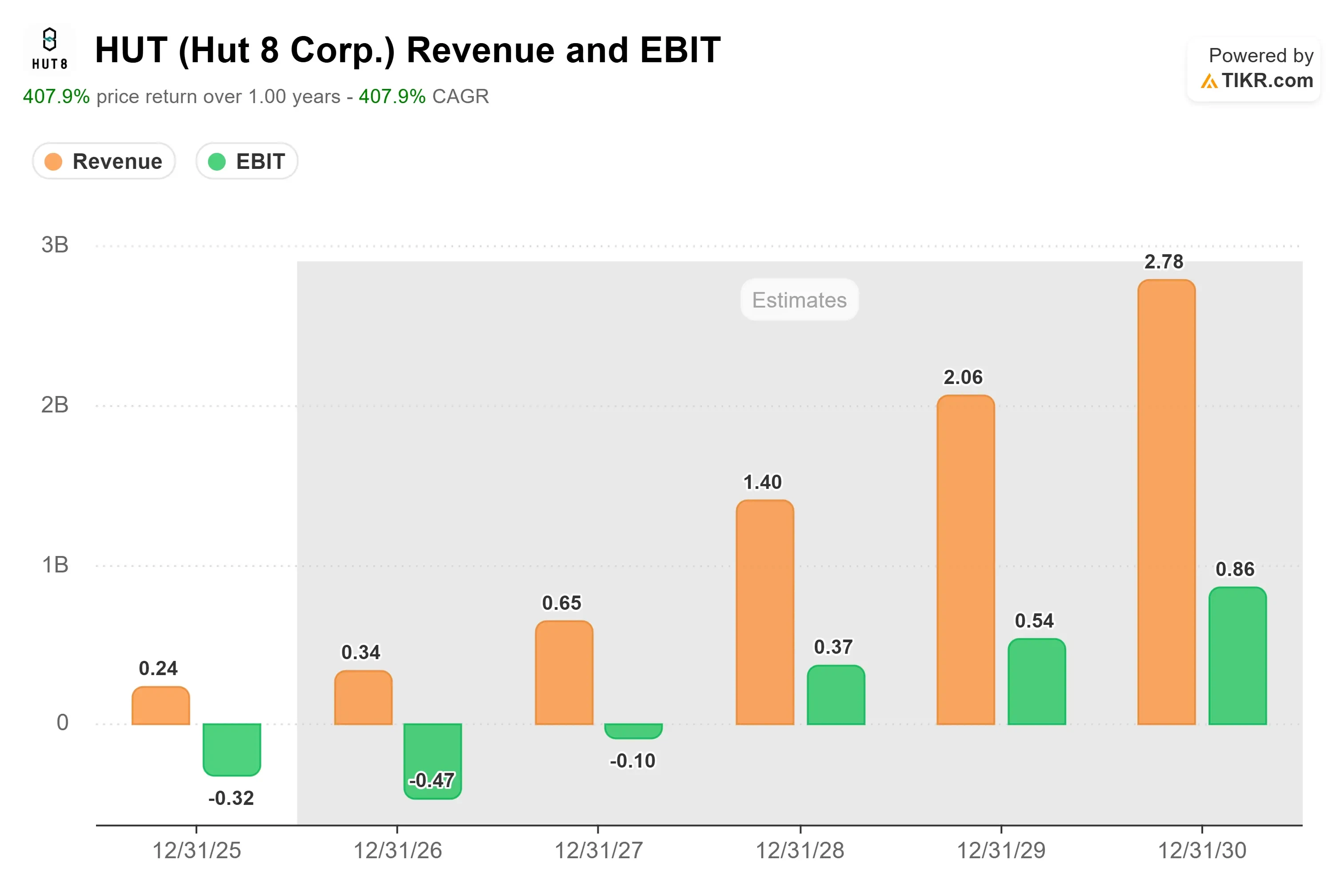
Hut 8 is pivoting toward a hybrid model, combining Bitcoin mining with high-performance computing for AI workloads. This diversification mitigates the volatility inherent in pure-play mining stocks by creating alternative revenue streams. Investors should evaluate the progress of its data center partnerships and the regulatory environment surrounding AI energy consumption to assess the long-term viability of this dual-focus strategy.
Pick the right fit
Choosing a crypto-linked stock requires looking past the headline price of Bitcoin or Ethereum. These companies operate in a high-volatility environment where market cycles dictate revenue streams. To manage risk in the post-halving market, you need a framework that balances direct exposure with operational stability.
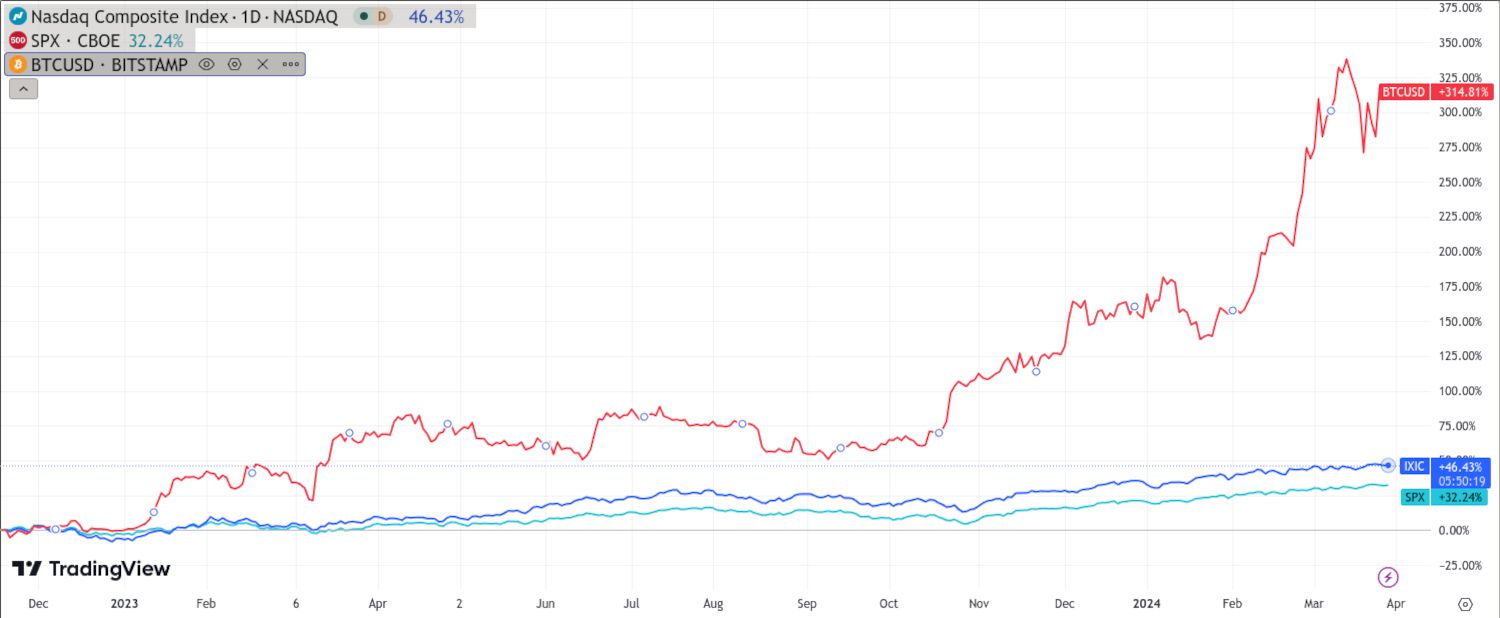
Not all crypto stocks move in lockstep with digital assets. Some companies derive most income from transaction fees or mining hardware sales, making them highly sensitive to short-term price swings. Others, like payment processors or cloud infrastructure providers, offer more diversified revenue streams that can cushion volatility during bear markets.

In a high-interest-rate environment, companies with strong cash reserves and low debt levels are better positioned to survive downturns. Look for firms that have already paid down operational costs or hold significant liquid assets. This financial buffer allows them to continue R&D and maintain operations even when crypto trading volumes decline.
Regulatory clarity is a major driver of institutional adoption. Companies that actively engage with policymakers or operate in jurisdictions with clear crypto frameworks tend to face fewer legal headwinds. Avoid firms with pending litigation or those relying on ambiguous legal gray areas for their core business model.
Sustainable growth often comes from proprietary technology or network effects. Whether it is a leading exchange's liquidity depth or a mining firm's access to cheap energy, a clear competitive advantage protects margins. Companies without a unique value proposition often become commoditized, leading to price wars that erode profitability.

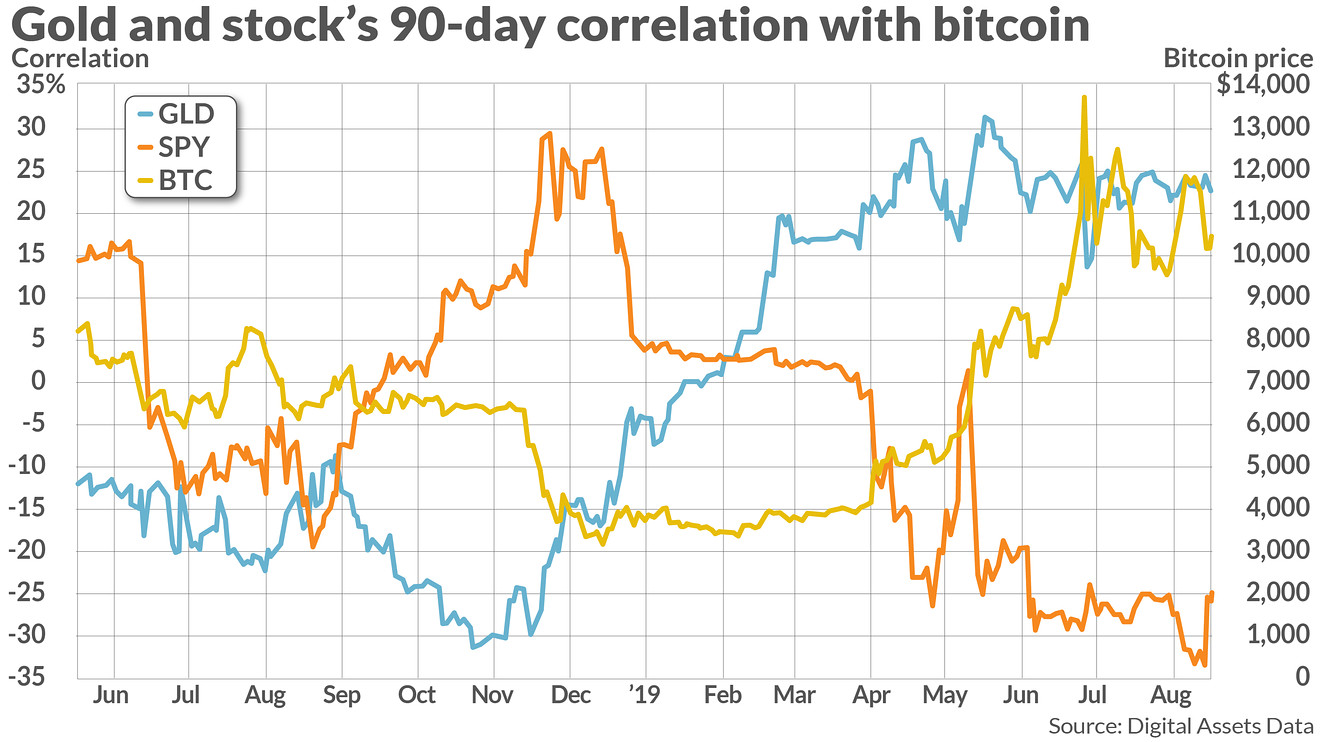
Review how the stock has performed during previous crypto cycles. Some stocks amplify crypto gains and losses, acting like leveraged tokens. Others show a weaker correlation, offering more stable returns. Understanding this beta helps you determine if the stock fits your risk tolerance for the upcoming market phase.


As an Amazon Associate, we may earn from qualifying purchases.
Frequently Asked Questions About Crypto-Linked Stocks in 2026
Are crypto stocks safer than holding Bitcoin directly?
Crypto-linked equities offer a layer of structural insulation that direct coin ownership lacks. By holding stock in companies like Coinbase or mining firms, you benefit from corporate governance, potential dividends, and protection against wallet loss or exchange hacks. However, these stocks still carry significant correlation risk. When Bitcoin drops, crypto stocks often fall harder due to operational leverage. They are not a substitute for diversification but rather a way to gain exposure through traditional brokerage accounts.
How does the 2024 halving impact these stocks in 2026?
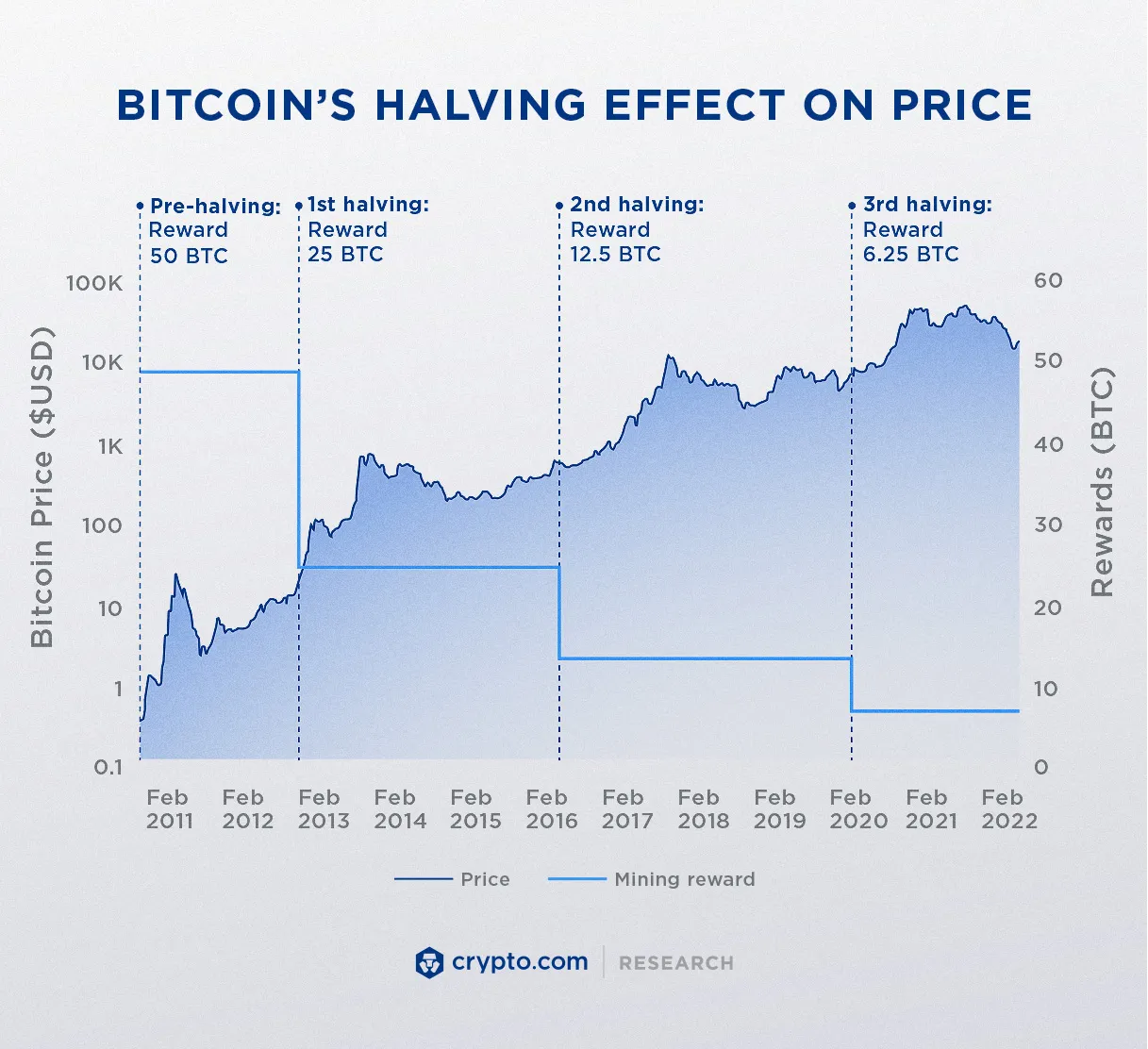
The post-halving supply shock typically takes 12–18 months to fully reflect in asset prices, placing mid-2026 in the prime window for institutional capital inflows. Mining stocks, in particular, face margin pressure from reduced block rewards, forcing consolidation among smaller players. Larger firms with efficient energy contracts and upgraded hardware tend to outperform. This dynamic favors established leaders over speculative juniors, making fundamental analysis of operational costs more critical than ever.
Should I buy crypto ETFs or individual stocks?
ETFs provide pure price exposure with lower operational risk, ideal for passive investors. Individual stocks offer leverage to crypto prices; a 10% rise in Bitcoin might drive a mining stock up 20% if operating margins expand. However, individual stocks introduce company-specific risks like management missteps or regulatory fines. For most portfolios, a core-satellite approach works best: hold ETFs for stability and pick select equities for alpha generation.
Which sectors benefit most from stablecoin growth?
With the stablecoin market cap reaching $315 billion as of early 2026, payment processors and fintech infrastructure are seeing renewed interest. Companies like Paymentus Holdings or traditional banks integrating crypto rails benefit from increased transaction volumes. Unlike mining stocks, which are tied to Bitcoin’s price, these firms rely on usage metrics and fee structures, offering a different risk-reward profile tied to broader adoption rather than speculative demand.
No comments yet. Be the first to share your thoughts!