

Why crypto stocks matter in 2026
This list compares five distinct publicly traded equities with direct exposure to cryptocurrency infrastructure, focusing on verifiable revenue streams and corporate governance. A practical choice should survive normal market volatility, maintenance cycles, and budget constraints. If a recommendation only works in an ideal situation, we call that out plainly and provide a fallback path.
5 Crypto Stocks to Watch in 2026
The intersection of traditional equity markets and digital assets requires rigorous due diligence, especially as regulatory frameworks evolve through 2026. We have identified five publicly traded stocks prioritizing companies with transparent operations and clear paths to profitability.
-
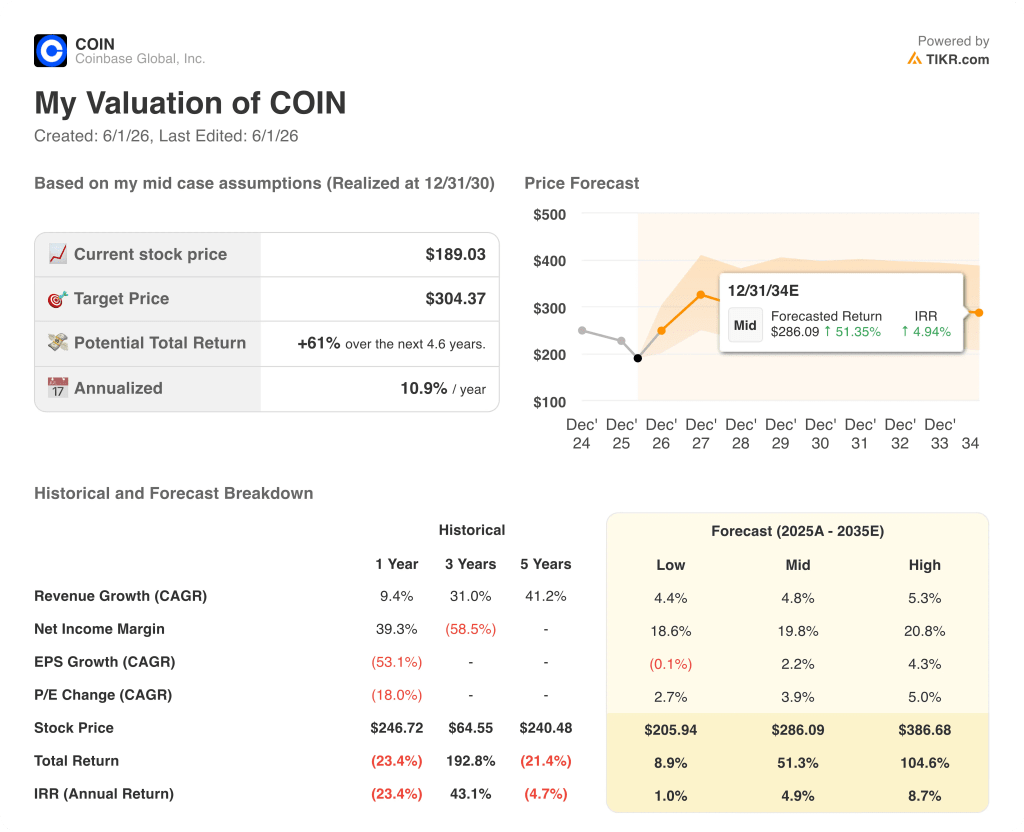
Coinbase Global stock analysis
Coinbase (COIN) remains the premier regulated gateway for institutional crypto adoption. As the largest US-based exchange, its revenue streams are tightly coupled with trading volumes and subscription services. Investors should monitor regulatory clarity and user growth metrics. The stock offers direct exposure to crypto market sentiment while maintaining a publicly traded compliance structure that appeals to traditional finance portfolios seeking regulated digital asset exposure. -
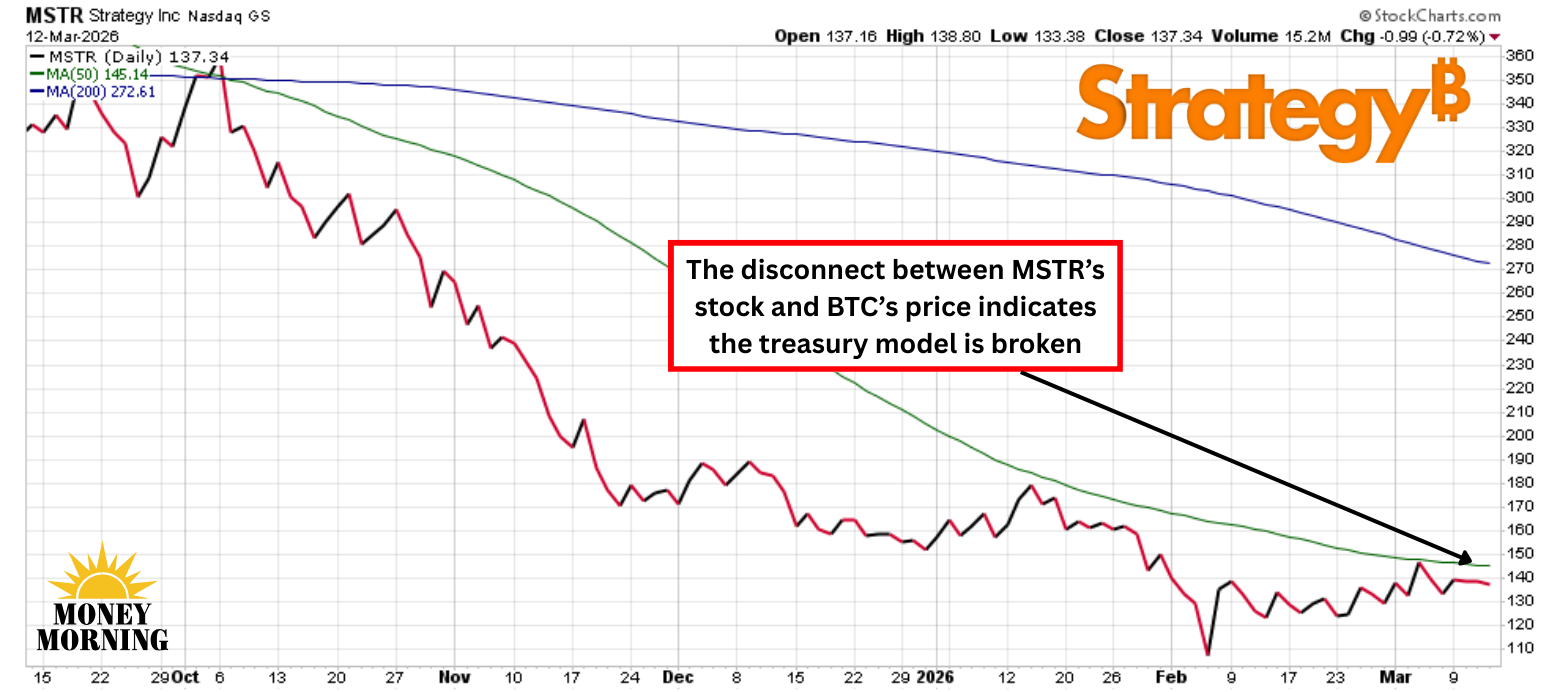
MicroStrategy Bitcoin holdings strategy
MicroStrategy functions as a leveraged Bitcoin proxy, holding massive BTC reserves on its balance sheet. The company’s strategy involves issuing debt to acquire more cryptocurrency, amplifying returns during bull markets but increasing risk during downturns. This unique corporate structure allows investors to gain indirect Bitcoin exposure through traditional equity markets, bypassing the complexities of direct wallet management and custody solutions entirely. -

Marathon Digital Holdings mining operations
Marathon Digital operates one of the largest Bitcoin mining fleets in North America, focusing on scalable hash rate expansion. The company recently announced an $850 million growth plan, signaling aggressive capacity upgrades. Investors should track hashrate growth and energy costs closely. Marathon’s operational scale provides economies of scale, making it a key player in the competitive landscape of proof-of-work cryptocurrency production and network security provision. -

Riot Platforms energy efficiency metrics
Riot Platforms distinguishes itself through rigorous energy efficiency metrics and strategic facility locations. By optimizing power usage effectiveness, Riot reduces operational overhead, a critical factor in mining profitability. The company’s focus on sustainable energy integration positions it well for regulatory scrutiny. Investors should evaluate Riot’s cost-per-bit metrics against industry averages to assess long-term viability in a high-energy-cost environment. -

Hut 8 Mining infrastructure expansion
Hut 8 is expanding beyond traditional mining into AI infrastructure, leveraging its existing data center capabilities. This diversification strategy aims to stabilize revenue streams amid crypto volatility. The company’s dual-focus approach allows it to capitalize on both blockchain security and machine learning demand. Investors should monitor the progress of these infrastructure projects and their contribution to overall enterprise value in the evolving tech landscape.
How the 2024 Halving Shapes 2026 Miner Stocks
The Bitcoin halving in April 2024 cut mining rewards in half, forcing a shift from revenue growth to operational efficiency. By 2026, this pressure has reshaped the equities landscape. Stocks that once traded on hash rate expansion now trade on margin resilience and energy costs. Investors are no longer betting on raw growth; they are betting on survival and scale.
This transition has widened the gap between industry leaders and smaller players. Major miners with access to low-cost power and modern hardware have maintained profitability despite the reward cut. Smaller operations, unable to upgrade their fleets or secure cheap energy, have exited the market or been acquired. The result is a more consolidated, albeit more volatile, sector.
For equity investors, this means the correlation between Bitcoin’s price and miner stock performance has become more nuanced. A rising BTC price no longer guarantees immediate stock gains if the miner’s cost basis is too high. Due diligence must focus on the company’s breakeven price per coin, not just their total hash rate.
The market’s focus has also shifted toward institutional adoption as a stabilizing force. As Bitcoin ETFs continue to absorb supply, the direct impact of halving on price becomes less predictable in the short term. However, the long-term effect on miner profitability remains clear: only the most efficient operators will thrive in this post-halving era.
Evaluating crypto stock risks
Crypto equities trade on a volatile foundation, but the risks extend far beyond daily price swings. To avoid getting caught in a regulatory crackdown or an operational failure, you need a framework that separates the noise from the material threats. Focus on three pillars: regulatory clarity, operational security, and market liquidity.
Regulatory risk is the most immediate threat. A single change in SEC enforcement policy can render a company’s primary revenue stream illegal overnight. Look for companies that actively engage with regulators and hold clear licenses, rather than those operating in gray areas. Fidelity notes that the stablecoin market cap has surged to $315 billion, signaling a shift toward compliance-friendly infrastructure, but investors must verify which firms are actually benefiting from this trend versus those merely claiming exposure.
Operational risk involves the technical integrity of the company’s platforms. For crypto miners, this means energy efficiency and hardware maintenance. For exchanges and service providers, it means robust cybersecurity and cold storage protocols. A single hack can wipe out shareholder value faster than a bear market. Always check recent audit reports and security incident histories before buying.
Market liquidity risk is often overlooked. Many crypto stocks trade with low volume, making it easy to enter a position but hard to exit without significant slippage. This is particularly true for smaller-cap firms in the mining or blockchain infrastructure space. Ensure the stock has enough daily volume to support your position size, and be wary of companies with concentrated insider ownership that could flood the market with shares.
Where to buy crypto stocks safely
Selecting the right brokerage is the first step in building a secure portfolio. For most investors, established platforms like Fidelity, Charles Schwab, or E*TRADE offer the regulatory safety and liquidity needed to trade major crypto-related equities like Coinbase or MicroStrategy. These institutions provide robust account protection and direct access to major exchanges, reducing the friction and risk associated with smaller, niche brokers.
Before funding your account, verify that the broker supports the specific assets you intend to trade. Not all platforms offer direct trading in every crypto stock or ETF, and some may restrict access based on your jurisdiction. Always review the fee schedule for trading commissions and account maintenance, as these costs can erode returns over time, especially for active traders.
If you are new to digital assets, consider pairing your brokerage account with educational resources to understand market volatility. Reading established guides on stock trading and blockchain fundamentals can help you understand the unique risks of this sector.



As an Amazon Associate, we may earn from qualifying purchases.
Frequently asked: what to check next
Are crypto stocks a good investment in 2026?
Crypto-related equities offer a regulated alternative to direct digital asset ownership. With stablecoin market caps reaching $315 billion and clearer regulatory frameworks emerging, companies like Block and Coinbase are better positioned for institutional integration. However, these stocks remain highly volatile and should be treated as high-risk equity positions rather than stable savings vehicles.
How do crypto ETFs impact individual crypto stocks?
Spot Bitcoin and Ethereum ETFs have increased liquidity but also created tighter correlations between traditional equities and digital assets. When ETF inflows surge, mining and exchange stocks often follow, but during market corrections, they may experience amplified losses. Diversifying across payment processors, exchanges, and miners can mitigate this sector-wide risk.
What is the safest way to gain crypto exposure?
The safest approach is through established public companies with diversified revenue streams, such as payment processors or major exchanges, rather than pure-play miners or startups. Always verify company financials through official filings and prioritize firms with transparent reserve audits and compliance with current securities regulations.
No comments yet. Be the first to share your thoughts!