

Why crypto stocks matter in 2026
Investing in crypto-related equities offers exposure to the sector’s growth within the familiar framework of traditional equity markets. As 2026 unfolds, regulatory clarity and institutional adoption have transformed these stocks from speculative bets into core components of diversified portfolios.
The macro environment has shifted significantly. According to Fidelity, the total stablecoin market capitalization reached approximately $315 billion by March 31, 2026, marking a 53% increase from early 2025. This expansion signals deepening liquidity and broader acceptance of digital assets in the global financial system. Coinbase’s 2026 market outlook further highlights that regulatory progress is now an operational reality, allowing companies to scale without the constant threat of legal ambiguity.
For investors, this means the barrier to entry remains lower than trading on exchanges, yet the potential for upside aligns with the sector’s rapid maturation. Companies providing infrastructure, custody solutions, and mining operations are now generating consistent revenue streams, supported by institutional capital. Understanding these fundamentals is essential before evaluating specific opportunities.
5 Crypto Stocks to Watch in 2026
As institutional capital flows into digital assets, the convergence of blockchain infrastructure and artificial intelligence is reshaping market dynamics. Citing macro trends from Fidelity and Coinbase, this analysis identifies five publicly traded equities positioned to leverage these structural shifts. Given the high-stakes nature of this sector, rigorous due diligence is essential to navigate volatility and identify genuine enterprise adoption.
-
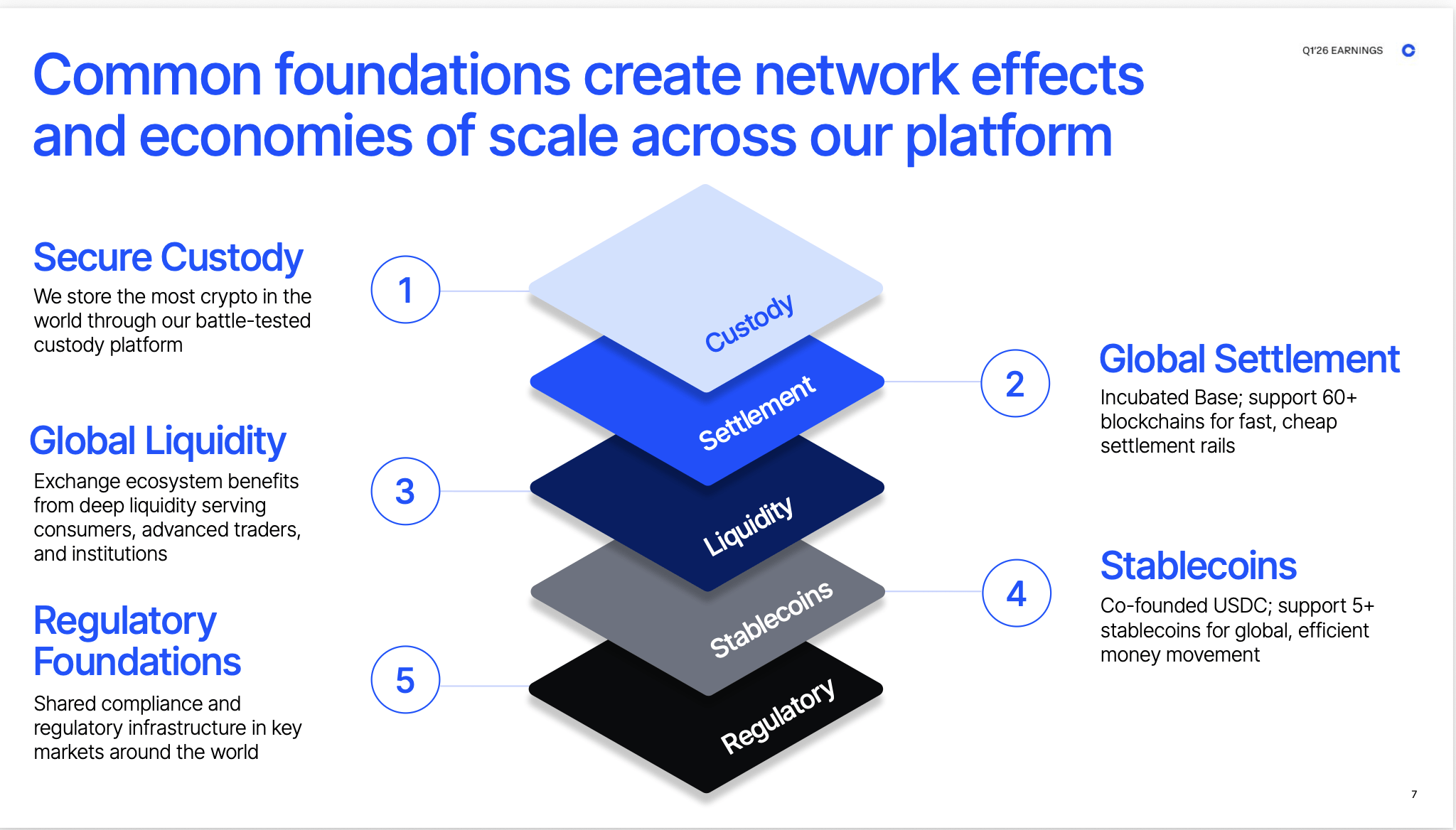
Coinbase Global institutional custody growth
Coinbase is positioning itself as the primary gateway for institutional capital, leveraging its regulatory clarity to attract traditional finance players. As noted by Forbes, the firm’s custody solutions are becoming essential infrastructure for asset managers seeking compliant crypto exposure. This strategic pivot reduces reliance on volatile retail trading fees, creating a more stable revenue stream anchored by growing institutional adoption trends highlighted in recent Fidelity reports. -
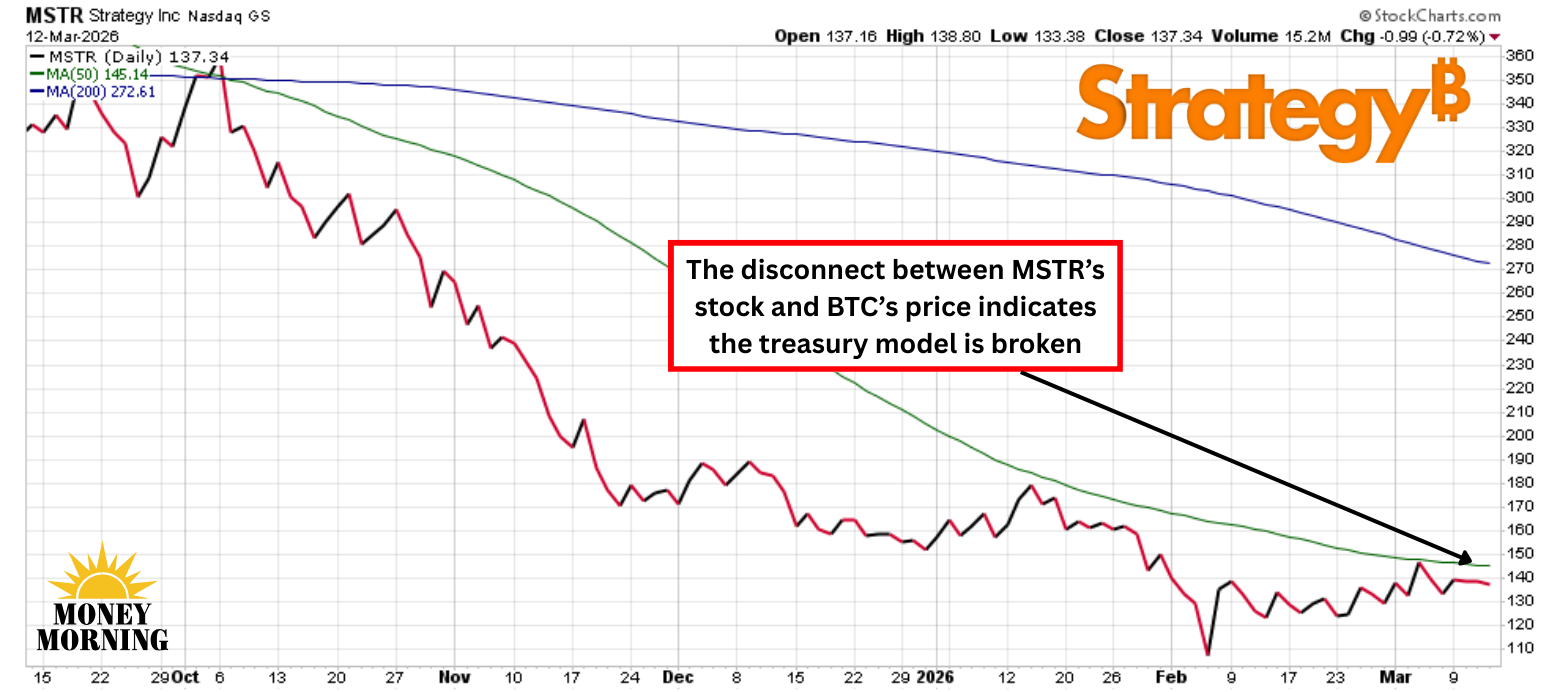
MicroStrategy Bitcoin treasury strategy
MicroStrategy continues its aggressive accumulation of Bitcoin as its primary treasury reserve asset, a strategy that ties the company’s equity performance directly to digital asset valuation. While this approach amplifies potential gains, it also introduces significant volatility risks for shareholders. Investors must weigh the long-term belief in Bitcoin’s store-of-value narrative against the immediate financial leverage and market exposure inherent in this concentrated corporate balance sheet strategy. -

Marathon Digital Holdings mining efficiency
Marathon Digital is focusing on operational efficiency to maintain profitability in an increasingly competitive mining landscape. By upgrading hardware and optimizing energy usage, the company aims to sustain hash rate growth despite fluctuating Bitcoin prices. This emphasis on technical efficiency is critical for surviving the next halving cycle, where reduced block rewards demand higher operational precision to ensure positive cash flow and long-term viability for shareholders. -
Riot Platforms energy cost advantages
Riot Platforms distinguishes itself through strategic energy management, securing favorable power agreements that lower operational expenses. This cost advantage is crucial for maintaining margins when Bitcoin prices experience downward pressure. By prioritizing low-cost energy sources, Riot can remain profitable during market downturns where higher-cost competitors may struggle, providing a defensive moat that supports steady growth and resilience in a volatile macroeconomic environment. -

CleanSpark AI integration in mining
CleanSpark is pioneering the integration of artificial intelligence into mining operations to optimize hash rate distribution and energy consumption. This technological edge allows for real-time adjustments that maximize output while minimizing waste, a key differentiator in 2026’s efficiency-driven market. By leveraging AI, CleanSpark aims to outperform traditional mining models, offering investors a blend of crypto exposure and advanced technological innovation that enhances operational resilience.
Bitcoin ETF issuers leading the charge
The approval of spot Bitcoin ETFs has shifted the crypto narrative from a speculative niche to a core component of institutional portfolios. For financial institutions, this transition is a direct revenue engine. As Bitcoin maintains its position as the leading cryptocurrency, the firms managing these ETFs are seeing significant inflows that translate into tangible asset growth and fee revenue.
Fidelity Investments has emerged as a primary beneficiary of this trend. According to Fidelity’s own analysis, the integration of crypto into traditional investment strategies is accelerating, driven by the need for regulated exposure to digital assets. Their research highlights that the stablecoin market cap alone has grown by 53% since early 2025, signaling a broader institutional readiness to engage with crypto infrastructure. This growth provides ETF issuers with a steady stream of management fees, creating a resilient business model that benefits regardless of short-term price volatility.
While market dynamics shift, the structural advantage for ETF issuers remains clear. They provide the regulatory safety and custody solutions that traditional investors require. However, investors must remain vigilant. The high stakes of crypto exposure mean that due diligence is paramount. While the revenue streams for these issuers are robust, the underlying asset remains volatile. Understanding the correlation between Bitcoin’s price action and the issuer’s stock performance is essential for making informed investment decisions.
Top crypto mining stocks for 2026
Bitcoin mining stocks have evolved from speculative bets into high-beta proxies for the broader digital asset market. As institutional adoption accelerates, public mining companies are scaling operations with next-generation hardware and sustainable energy sources, positioning themselves as essential infrastructure plays. According to Coinbase’s 2026 market outlook, regulatory clarity and technological maturation are driving a shift toward efficiency and scale, rewarding miners that prioritize operational excellence.
The mining sector remains volatile, but the leaders are distinguishing themselves through strategic energy sourcing and hardware upgrades. Companies like Marathon Digital Holdings (MARA) and Riot Platforms (RIOT) are expanding their hash rate capacity while integrating renewable energy to mitigate costs and regulatory risks. This operational shift mirrors the broader crypto market’s transition toward institutional-grade reliability.
Investors should view these stocks as leveraged exposure to Bitcoin’s price action, with added operational risk. Due diligence is critical: evaluate each company’s energy mix, hardware efficiency, and balance sheet strength. The following chart illustrates the typical volatility patterns seen in major mining stocks, highlighting the importance of risk management in this sector.
Blockchain Infrastructure and AI Integrators
The intersection of blockchain and artificial intelligence is shifting from speculative hype to tangible utility. Companies that bridge decentralized computing with AI data security are positioning themselves as the next wave of infrastructure. This convergence addresses two critical bottlenecks: the need for verifiable data integrity and the demand for decentralized processing power.
As highlighted in the 2026 Crypto Market Outlook by Coinbase, regulatory progress and technology trends are driving institutional interest in these hybrid models. The focus is no longer just on holding digital assets, but on the underlying tech that secures and processes them. For investors, this means looking beyond pure-play crypto coins to the firms building the rails.
Due diligence is essential here. The technology is still maturing, and valuation gaps between promise and delivery can be wide. Investors should scrutinize revenue streams tied to actual AI or blockchain usage rather than mere announcements. The most compelling opportunities often lie in established tech firms integrating these tools to enhance existing products, reducing execution risk compared to early-stage startups.
Key players in this space are developing specialized hardware and software solutions. From smart contract automation to secure data lakes for AI training, the applications are broad. However, the market remains volatile, and performance can diverge sharply from broader crypto trends. Careful analysis of each company's tech stack and partnership ecosystem is required to separate genuine innovation from marketing noise.
Established Exchanges and Payment Platforms
Crypto exchanges and payment processors have transitioned from niche fintech startups to critical infrastructure in the digital asset economy. As institutional adoption accelerates and retail interest stabilizes, these platforms are capturing increased transaction volumes. Companies like Coinbase, eToro, and Shopify are no longer just speculative plays; they are becoming essential conduits for capital flow in a market increasingly governed by regulatory clarity and enterprise integration.
The macro trend is undeniable. According to recent analyses by Fidelity and Forbes, the institutionalization of crypto is driving steady growth in transaction volumes, benefiting established players with robust compliance frameworks. Zacks Investment Research highlights that stocks like Flywire and eToro are seeing renewed investor interest as they leverage these broader adoption trends. However, this growth is not without risk. These stocks remain highly correlated with crypto market cycles, meaning volatility is an inherent feature, not a bug.
Investors must approach these equities with the same due diligence required for any high-stakes financial instrument. While the infrastructure is becoming more resilient, the underlying asset class remains volatile. It is crucial to evaluate each platform's revenue diversification and regulatory standing before committing capital. The following products represent the hardware and tools often used by investors to securely manage and track these digital assets, though they are not direct investments in the stocks themselves.


As an Amazon Associate, we may earn from qualifying purchases.
Evaluating Crypto Stock Risks
Investing in crypto equities requires more than tracking Bitcoin’s price action. You must assess how regulatory shifts, market volatility, and operational realities impact the underlying business. As stablecoin market capitalization approaches $315 billion, the sector’s growth is real, but so are the structural risks (Fidelity, 2026). Coinbase’s 2026 outlook highlights that regulatory progress remains the primary variable for institutional adoption, meaning policy changes can instantly alter valuation multiples.
Start with regulatory exposure. Companies with heavy reliance on spot ETF flows or U.S.-based mining operations face distinct legal vulnerabilities compared to those with diversified global infrastructure. Next, evaluate volatility tolerance. Crypto stocks often amplify Bitcoin’s swings; a 20% drop in digital asset prices can trigger disproportionate sell-offs in related equities. Finally, scrutinize operational efficiency. High energy costs or inefficient consensus mechanisms can erode margins regardless of market sentiment.
Use this checklist to guide your due diligence:
-
Does the company have clear compliance frameworks for evolving SEC and global regulations?
-
Is the revenue model diversified beyond pure crypto price speculation?
-
Are operational costs (energy, hardware) hedged against inflation?
-
Is the balance sheet liquid enough to survive a crypto winter?
Risk assessment is not about avoiding the sector, but about sizing positions correctly. Institutional players are moving into crypto-related equities, but they demand transparency that retail investors often overlook. Focus on companies with audited financials and clear regulatory strategies.
Frequently Asked Questions About Crypto Stocks
Are crypto stocks a good investment in 2026? Institutional adoption is accelerating, with the stablecoin market cap reaching $315 billion by early 2026. However, these assets remain highly volatile. Investors should treat them as high-risk components of a diversified portfolio rather than stable savings vehicles.
How do crypto stocks differ from crypto ETFs? Crypto stocks represent equity in companies like miners or exchanges, offering leverage to crypto price movements. ETFs track the asset price directly. Stocks carry operational risks, such as regulatory changes or management decisions, which ETFs do not.
What risks should I watch for with crypto mining stocks? Mining profitability depends on energy costs and hardware efficiency. Regulatory crackdowns in key jurisdictions can also impact operations. Due diligence is essential to assess a company's energy contracts and technological edge before investing.
No comments yet. Be the first to share your thoughts!