
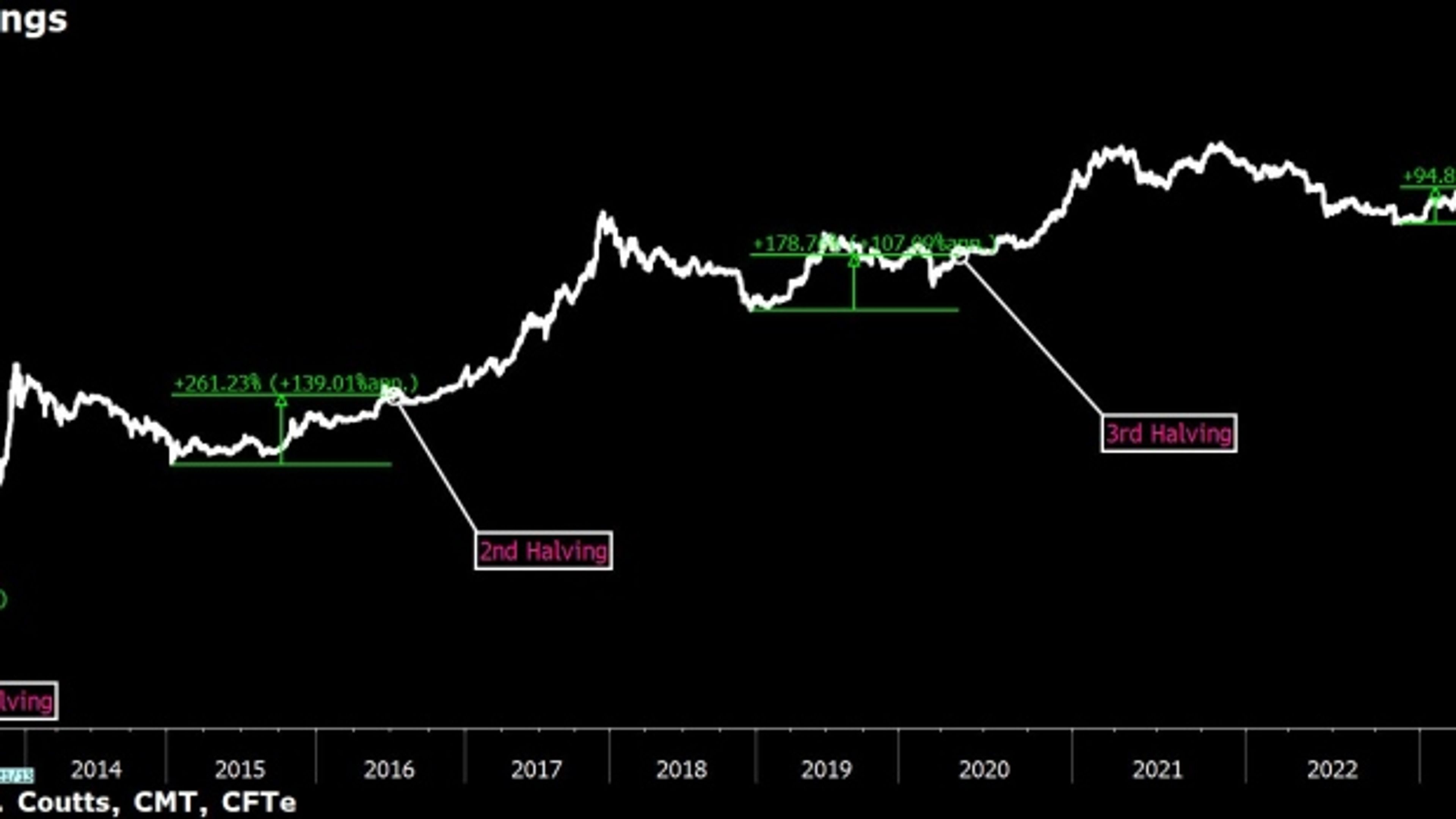
Crypto stocks 2026
The 2024 Bitcoin halving has rippled through the market, setting the stage for a distinct institutional phase in 2026. While Bitcoin dominates headlines, the real value for traditional investors lies in publicly traded companies that facilitate, secure, or leverage these digital assets. We are no longer in the era of speculative mining alone; the market has matured into one driven by regulated exchanges, custodial services, and fintech infrastructure.
This roundup focuses on five crypto-adjacent stocks positioned for institutional growth. Our selection process prioritized companies with transparent revenue models, regulatory compliance, and direct exposure to Bitcoin’s post-halving supply shock. We filtered out high-risk mining operations with questionable energy sourcing in favor of established players with proven balance sheets. The goal is to identify equities that offer exposure to the crypto ecosystem without the volatility of direct token ownership.
The companies listed below represent a mix of exchange platforms, asset managers, and payment processors. Each entry includes a brief evaluation of its current market position and why it matters for a 2026 portfolio. We rely on official filings and primary market data to assess their viability, ensuring that these recommendations are grounded in concrete financials rather than hype.
5 Bitcoin Halving Aftermath: Top 5 Crypto Stocks to Watch in 2026 for Institutional Growth
Following the 2024 halving, the 2026 market cycle is defined by institutional accumulation rather than retail speculation. This roundup identifies five publicly traded companies with verified exposure to Bitcoin infrastructure, focusing on concrete operational metrics and supply chain advantages.
1. Coinbase Global stock performance analysis
Coinbase serves as the primary institutional gateway for Bitcoin exposure, benefiting directly from increased trading volumes and custody fees following the halving. Its regulatory clarity provides a safer entry point for traditional finance players compared to unregulated exchanges. Investors should monitor its subscription and services revenue growth as a key indicator of sustained institutional adoption in the post-halving market cycle.

2. Marathon Digital Holdings mining efficiency
Marathon Digital has aggressively expanded its hash rate, positioning itself as a high-efficiency miner capable of withstanding reduced block rewards. The company’s focus on operational scale allows it to maintain profitability even when Bitcoin prices fluctuate. Investors should evaluate their machine deployment timelines and energy management strategies to assess long-term resilience in a competitive mining landscape.

3. Riot Platforms operational capacity review
Riot Platforms operates one of the largest Bitcoin mining facilities in North America, emphasizing vertical integration and energy efficiency. Their strategic expansion in Texas provides access to favorable power rates, crucial for maintaining margins after the halving. Analyzing their hashrate growth trajectory and facility utilization rates offers insight into their ability to scale operations sustainably.

4. CleanSpark energy cost advantages
CleanSpark distinguishes itself through a low-cost energy strategy, leveraging stranded natural gas and renewable sources to minimize operational expenses. This cost advantage is critical in the post-halving environment where profit margins are compressed. Investors should focus on their cost-per-bitcoin metrics and renewable energy integration efforts to gauge long-term sustainability and competitive edge.

5. Hut 8 strategic pivot evaluation
Hut 8 is transitioning beyond pure mining into high-performance computing and AI infrastructure, diversifying its revenue streams. This strategic pivot aims to reduce reliance on volatile Bitcoin prices by monetizing excess computing power. Evaluating their contract pipeline and infrastructure upgrades is essential for understanding how this diversification impacts their valuation and risk profile in 2026.

Pick the right fit
Choosing a crypto stock after the halving requires looking past the hype to the company’s actual business model. Not all firms benefit equally from rising Bitcoin prices, so your selection should align with whether you want exposure to mining operations, financial infrastructure, or enterprise blockchain services.
1. Evaluate revenue stability
Mining stocks like Marathon Digital Holdings and Riot Platforms are highly correlated with Bitcoin’s spot price and energy costs. Their revenue fluctuates significantly with market cycles. In contrast, infrastructure plays like Coinbase often have diversified revenue streams from trading fees and custody services, which can provide a buffer during bear markets.
2. Assess balance sheet health
The post-halving environment squeezes miner margins. Look for companies with low debt-to-equity ratios and strong cash reserves. Firms that have recently upgraded their hardware efficiency or secured long-term energy contracts are better positioned to survive the reduced block subsidy period without diluting shareholders.
3. Check institutional adoption
Companies with direct ties to institutional clients often see more consistent growth. Coinbase and Coinbase Global, for example, benefit from the increasing demand for regulated crypto custody and trading among large financial institutions. This institutional anchor can provide more predictable long-term growth compared to pure-play mining operations.
| Company Type | Volatility | Investor Goal |
|---|---|---|
| Mining (e.g., MARA, RIOT) | High | Direct Bitcoin price exposure |
| Infrastructure (e.g., COIN) | Medium | Stable institutional growth |
| Enterprise (e.g., BLOCK) | Low-Medium | Diversified tech exposure |


As an Amazon Associate, we may earn from qualifying purchases.
Bitcoin Halving Aftermath: 5 Crypto Stocks to Watch in 2026 for Institutional Growth
Investors often confuse cryptocurrency assets with the public equities that mine, host, or facilitate them. While Bitcoin and Ethereum dominate direct crypto discussions, the stocks highlighted in this guide—such as Coinbase, Riot Platforms, and Strategy (formerly MicroStrategy)—offer a different risk profile tied to corporate balance sheets and operational efficiency rather than pure token exposure.
What crypto will skyrocket in 2026?
Market analysts point to Bitcoin (BTC) and Ethereum (ETH) as the primary drivers of potential upside, but the real growth in 2026 is expected in tokenized real-world assets (RWA) and stablecoin infrastructure. Fidelity notes that the stablecoin market cap has surged 53% year-over-year, reaching approximately $315 billion as of March 2026. This growth suggests that stocks enabling these transactions, rather than just holding tokens, may see significant volume-driven revenue increases.
Is 2026 a good time to invest in crypto?
The timing is defined by institutional integration rather than retail speculation. With clearer regulatory frameworks emerging in the US and accelerating corporate adoption, 2026 is positioned as a period of consolidation. However, "good" depends on your horizon. Short-term volatility remains high due to post-halving supply shocks, but long-term holders benefit from the structural shift of crypto into core treasury assets for public companies.
Which cryptocurrency is the best to invest in in 2026?
There is no single "best" asset, but Bitcoin remains the standard for institutional safety, while Ethereum offers utility through its smart contract ecosystem. For investors seeking exposure to the broader market, a diversified approach is often recommended. Forbes and other major financial outlets continue to list Bitcoin, Ethereum, and Solana (SOL) among the top contenders, depending on whether the investor prioritizes store-of-value properties or decentralized application growth.
What is going on with crypto in 2026?
The 2026 landscape is characterized by record merger and acquisition (M&A) activity among crypto firms and the mainstreaming of AI-driven trading tools. As noted by SVB, institutional capital is flowing into established players rather than speculative startups. This environment favors publicly traded crypto stocks with transparent audits and clear revenue models, such as payment processors and mining operations, over unverified new tokens.
No comments yet. Be the first to share your thoughts!