
crypto stocks 2026
We built this list by filtering public companies through three practical filters: direct revenue exposure to crypto trading or custody, balance sheet strength to survive volatility, and clear regulatory positioning. Rather than chasing speculative plays, we focused on firms that function as infrastructure for the digital asset economy.
Our selection logic prioritizes companies with transparent reporting and established market share. We excluded firms with minimal crypto revenue or those heavily reliant on unproven technology partnerships. The goal is to identify public equities that offer genuine leverage to the institutional wave, not just narrative hype.
We consulted analyst reports from sources like Forbes and independent market analysts to validate our initial shortlist. However, the final picks reflect our own assessment of which companies are best positioned to capture institutional capital flows in the coming year.
5 2026 Crypto Stock Market Outlook: Top 5 Public Companies Riding the Institutional Wave
As institutional capital flows into regulated crypto vehicles in 2026, public equities offer a lower-friction entry point than direct asset ownership. We evaluate five listed companies based on verifiable revenue exposure to digital assets, custody infrastructure, and regulatory compliance rather than speculative narratives.
1. Coinbase Global Institutional Custody Growth
Coinbase serves as the primary gateway for institutional capital entering the crypto space, leveraging its regulated status to attract pension funds and asset managers. Its custody solutions provide the security infrastructure necessary for large-scale adoption, distinguishing it from purely retail-focused exchanges. This institutional trust forms the backbone of its revenue stability during market volatility, making it a core holding for portfolios seeking regulated exposure.

2. MicroStrategy Bitcoin Treasury Strategy
MicroStrategy has transformed from a business intelligence software firm into a leveraged Bitcoin proxy, holding massive BTC reserves on its balance sheet. This unique corporate treasury strategy allows investors to gain indirect exposure to Bitcoin’s price appreciation through traditional equity markets. The company’s consistent accumulation approach signals long-term conviction, though it introduces leverage risks that differ significantly from holding the cryptocurrency directly.

3. Marathon Digital Holdings Mining Scale
Marathon Digital operates one of the largest publicly traded Bitcoin mining fleets in North America, focusing on aggressive hash rate expansion. By scaling operations and upgrading to next-generation hardware, the company aims to capitalize on network difficulty adjustments and block rewards. Its scale provides operational efficiencies that smaller miners lack, positioning it to remain competitive even as energy costs fluctuate and regulatory scrutiny increases globally.

4. Riot Platforms Energy Efficiency Metrics
Riot Platforms distinguishes itself by prioritizing energy-efficient mining operations and strategic geographic placement near low-cost power sources. This focus on operational efficiency helps mitigate the impact of rising electricity prices, a major cost driver for miners. By optimizing its infrastructure for sustainability and cost control, Riot aims to maintain profitability margins that are often squeezed by less efficient competitors during bear markets.

5. Hut 8 Mining Revenue Diversification
Hut 8 is actively diversifying its revenue streams beyond traditional Bitcoin mining by expanding into high-performance computing and AI infrastructure services. This strategic pivot allows the company to monetize its existing power capacity and hardware assets in multiple ways, reducing reliance solely on crypto block rewards. By offering compute services to enterprise clients, Hut 8 creates a more stable income base that complements its mining operations.

How to pick the right crypto stock for your portfolio
Choosing between public crypto companies requires looking beyond the headline price. The sector splits into three distinct business models: exchanges, miners, and pure-play holders. Each carries a different risk profile and revenue driver. Understanding these categories helps you align your investment with your tolerance for volatility and your belief in specific crypto assets.
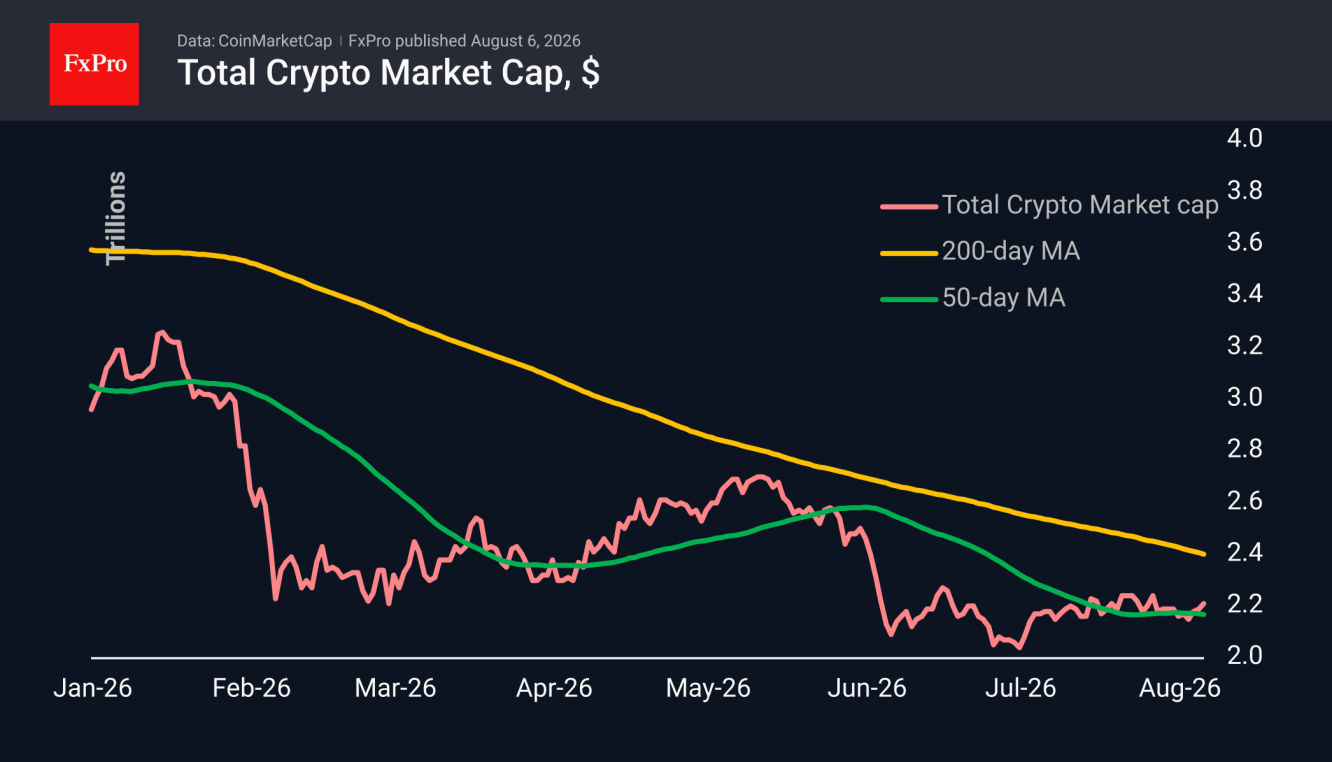
Your stock choice should mirror your conviction in a specific cryptocurrency. If you believe Bitcoin will lead the 2026 bull run, a company like Strategy (MSTR) offers direct exposure through its treasury holdings. If you favor Ethereum’s ecosystem growth, an exchange like Coinbase (COIN) benefits from the increased transaction volume and staking activities associated with the network.
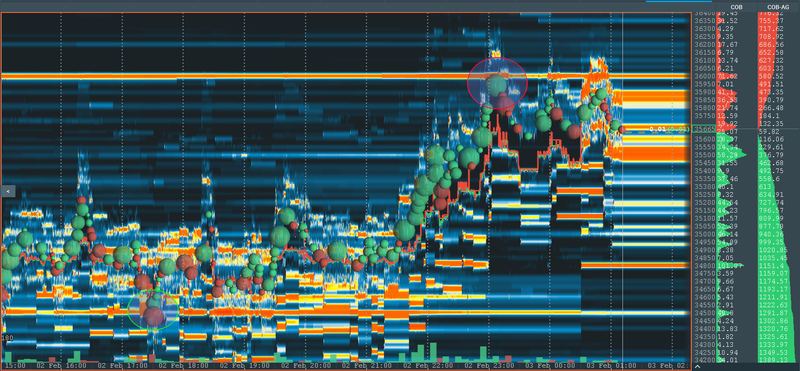
Not all crypto stocks move in lockstep with coin prices. Exchanges generate revenue from trading fees and subscription services, which can remain stable even during market dips. Miners, however, face thin margins and high energy costs. Their profitability often depends on the hash rate and electricity prices, making them more sensitive to operational efficiency than pure price appreciation.
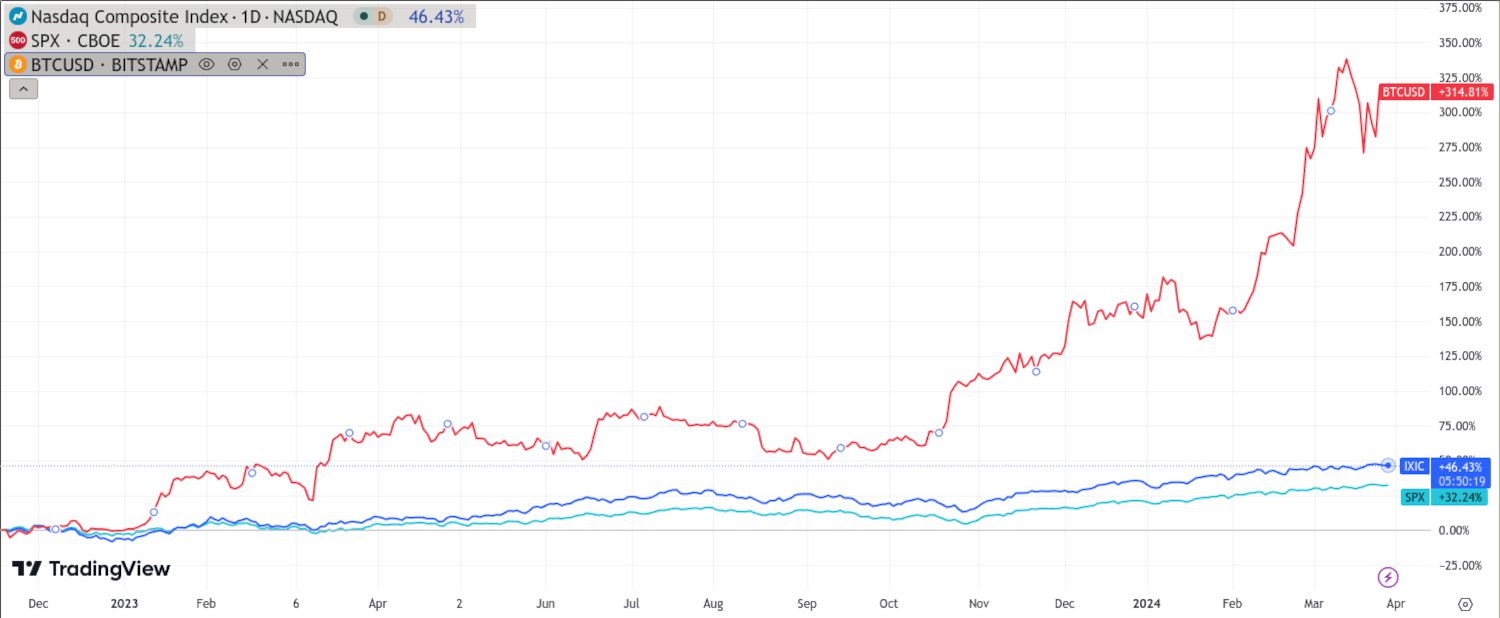
Public companies must navigate complex securities and banking regulations. Firms with established compliance frameworks and transparent reporting structures generally face lower legal risks. Look for companies that have proactively engaged with regulators rather than those operating in gray areas. Regulatory clarity often acts as a tailwind for established players during market consolidation.
Quick comparison of stock types
| Business Model | Primary Revenue Driver | Volatility Profile | Best For |
|---|---|---|---|
| Exchange (e.g., Coinbase) | Trading fees, subscriptions | High | Investors betting on transaction volume |
| Miner (e.g., Marathon Digital) | Bitcoin production, cost control | Very High | Speculative plays on hash rate growth |
| Treasury Holder (e.g., Strategy) | Bitcoin price appreciation | High | Direct Bitcoin exposure without custody risks |
| Infrastructure (e.g., MicroStrategy) | Asset management, premiums | High | Institutional-grade Bitcoin exposure |
Tools to track your selection
Once you have narrowed your choices, use live data to monitor your positions. Real-time charts help you spot trend reversals before they become obvious in daily summaries.
Recommended crypto-related products
If you are setting up a secure environment for your investments, consider these essential tools.


As an Amazon Associate, we may earn from qualifying purchases.
Frequently asked: what to check next
Key takeaways
2026 Crypto Stock Market Outlook: 5 Public Companies Riding the Institutional Wave
Investors looking at the 2026 crypto landscape often ask how public companies fit into the broader digital asset cycle. While direct cryptocurrency holdings carry high volatility, publicly traded firms offer regulated exposure through equities. Understanding the distinction between trading tokens and buying stocks is essential for managing risk in this sector.
Which crypto will go high in 2026?
Market analysts generally point to established assets like Bitcoin (BTC) and Ethereum (ETH) as the primary drivers of value in 2026. These cryptocurrencies benefit from institutional adoption and clearer regulatory frameworks. While smaller altcoins like Solana or XRP may see speculative spikes, Bitcoin remains the benchmark for long-term growth due to its scarcity and widespread acceptance as a store of value.
Which is the best crypto stock to buy?
There is no single "best" stock, as performance depends on your risk tolerance. Coinbase (COIN) is often cited as a top choice for broad market exposure, benefiting from both retail trading volume and institutional custody services. For those seeking pure-play leverage to Bitcoin’s price, Strategy (formerly MicroStrategy, MSTR) is a common pick, though it carries higher volatility. Other notable mentions include NVIDIA (NVDA), which supplies the hardware for mining and AI, and Marathon Digital (MARA) for direct mining exposure.
Is crypto trading profitable in 2026?
Profitability in crypto trading is highly dependent on strategy and market timing. While the 2026 outlook suggests a bullish trend driven by institutional integration, short-term trading remains risky. Many traders find steady returns through long-term holding (HODLing) or staking rather than day trading. It is crucial to account for fees, taxes, and the inherent volatility of the market, which can erase gains quickly if not managed properly.
Is now a good time to buy crypto?
Timing the market is difficult, but 2026 presents a unique environment with accelerating institutional integration and clearer regulations. For long-term investors, dollar-cost averaging into major cryptocurrencies or related stocks can mitigate the risk of buying at a peak. However, if you are looking for quick gains, be aware that the market can correct sharply. Always assess your financial situation and risk tolerance before entering the market.
No comments yet. Be the first to share your thoughts!